How did the Hashashins form the Nizari Ismaili State and use assassination
TL;DR
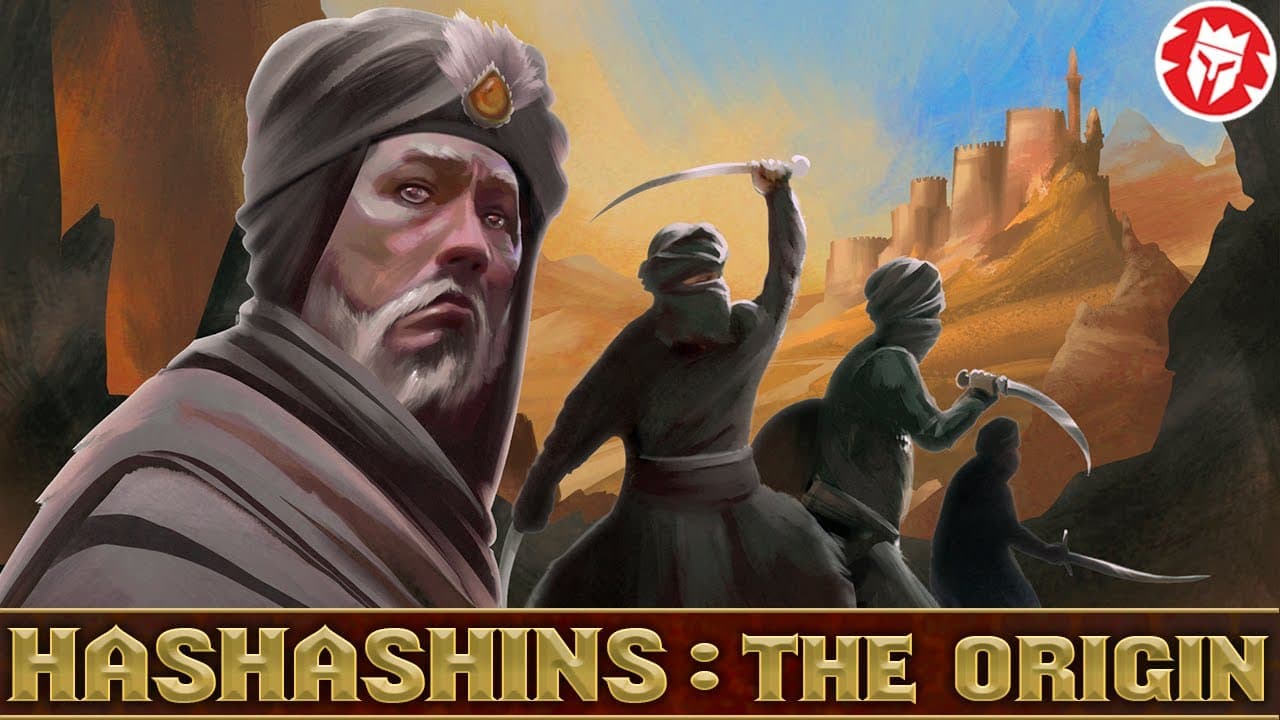
The Hashashins, or Nizari Ismailis, built a fortified network of mountain citadels and used targeted assassination as a strategy against Seljuk and Abbasid rivals. Hasan-i Sabbah founded and expanded the movement, establishing fortresses like Alamut and spreading Ismaili influence before the decline of their state. The video traces their rise, methods, and decline within the wider Islamic world.
Transcript
Many men and women of violence have been romanticised by people of later eras. Driven by pieces of popular culture such as the Assassin’s Creed games, the popular conception of an assassin has turned from that of a ruthless murderer to that of a renegade antihero, killing only because it is for the greater good. The foundations of this viewpoint la... Read More
Key Insights
- The Ismaili split in Islamic history created competing groups, with the Nizari branch pursuing political influence through fortified strongholds.
- Hasan-i Sabbah’s leadership bridged clandestine activity with open revolt, transforming Ismaili resistance into a durable fortress network.
- Alamut served as the strategic cornerstone for the Nizari State, enabling expansion to other fortresses like Girdkuh and Lamasar.
- The Seljuk and Abbasid powers posed ongoing pressure, driving the Nizaris to rely on defensive fortifications and selective assassination.
- The term nass and succession disputes helped propel the Ismaili sect into a leadership crisis that influenced later political alignments.
- The Fatimid caliphate’s rise and fall intersected with Nizari fortunes, shaping the broader Ismaili political landscape.
- Decentralization after key rulers’ deaths made a single conquest target impossible, pushing the Nizaris toward a fortress-based strategy.
- The use of assassination as a political tool marked a significant shift in how religious movements engaged with imperial powers.
- More videos from this channel:
- More from this channel: Kings and Generals
Install to Summarize YouTube Videos and Get Transcripts
Explore YouTube Video Summarizer or Get YouTube Transcript Extractor
Questions & Answers
Q: How did the Ismaili split influence the formation of the Nizari state?
The Ismaili split created multiple factions after Ja’far al-Sadiq declared his successor, leading to diverging lines of leadership. The Nizaris emerged as a distinct group who rejected central allegiance and pursued independence, establishing a network of fortified citadels and new routes to expand influence beyond traditional territory.
Q: Who was Hasan-i Sabbah and what role did he play in the Nizari movement?
Hasan-i Sabbah was a key founder who, after being educated in Ismaili doctrine, aligned with Nizaris and traveled through Fatimid lands. He orchestrated infiltration and recruitment around Alamut, transforming the movement from clandestine activity into an open revolt and establishing a durable fortress-based strategy that defined the Nizari state.
Q: What was the strategic significance of Alamut for the Nizari Ismaili State?
Alamut functioned as the initial fortress from which the Nizaris organized defense and political outreach. Its impregnable position allowed Hasan and his followers to govern from a secure base, coordinate missions, and project power into surrounding regions, making it a cornerstone of the Nizari fortress network.
Q: How did the Seljuk empire respond to Nizari expansion?
The Seljuk empire, led by sultans and viziers, launched attacks against Alamut and other fortresses. Despite these efforts, the Nizaris maintained their positions by leveraging mountainous terrain and a decentralized leadership, which impeded a single military solution and prolonged resistance.
Q: What role did Nass play in Ismaili leadership struggles, and how did it affect the Nizari movement?
Nass, a doctrine connected to the succession of Imams, contributed to internal debates about rightful leadership. These disputes, occurring after the early die-off of key leaders, undermined centralized authority and reinforced the need for independent, fortress-based resistance that characterized the Nizari approach.
Q: How did the Fatimid Caliphate influence the Nizari Ismailis?
The Fatimid Caliphate provided a political and ideological backdrop for Ismaili communities. As Fatimid power waxed and waned, Ismaili communities in Egypt and Syria navigated succession and allegiance, while the Nizaris in other regions pursued autonomous development, eventually diverging from Fatimid ties after the death of key figures.
Q: Why did the Nizari state rely on assassination as a tactic?
With central authority weakened by internal divisions and external threats, the Nizari state adopted assassination as a pragmatic method to disrupt larger rivals. This approach allowed them to target key leaders and undermine centralized power, while maintaining influence through a dispersed fortress network rather than conventional warfare.
Q: What led to the decline of the Nizari Ismaili State?
The decline followed the death of pivotal rulers and the ongoing fragmentation of the Seljuk empire, which reduced the centralized threat but also fractured Nizari leadership. With no single target and mounting external pressure, their fortress-based approach could not sustain a unified state, leading to eventual dissolution.
Summary & Key Takeaways
-
The Hashashins emerged as a distinct Ismaili group that forged a political network from fortified castles, turning assassination into a central tactic against larger powers.
-
Hasan-i Sabbah played a key role by directing missions to Alamut and consolidating a fortress-based state with multiple strongholds.
-
The decline came as central power fractured and the Ismaili state faced pressure from rival Sunni powers and internal division.
Read in Other Languages (beta)
Share This Summary 📚
Summarize YouTube Videos and Get Video Transcripts with 1-Click
Try YouTube Summary with ChatGPT & Claude or YouTube Transcript Generator
Explore More Summaries from Kings and Generals 📚


Summarize YouTube Videos and Get Video Transcripts with 1-Click
Try YouTube Summary with ChatGPT & Claude or YouTube Transcript Generator