How Was Charlemagne's Rise Shaped by Annals?
TL;DR
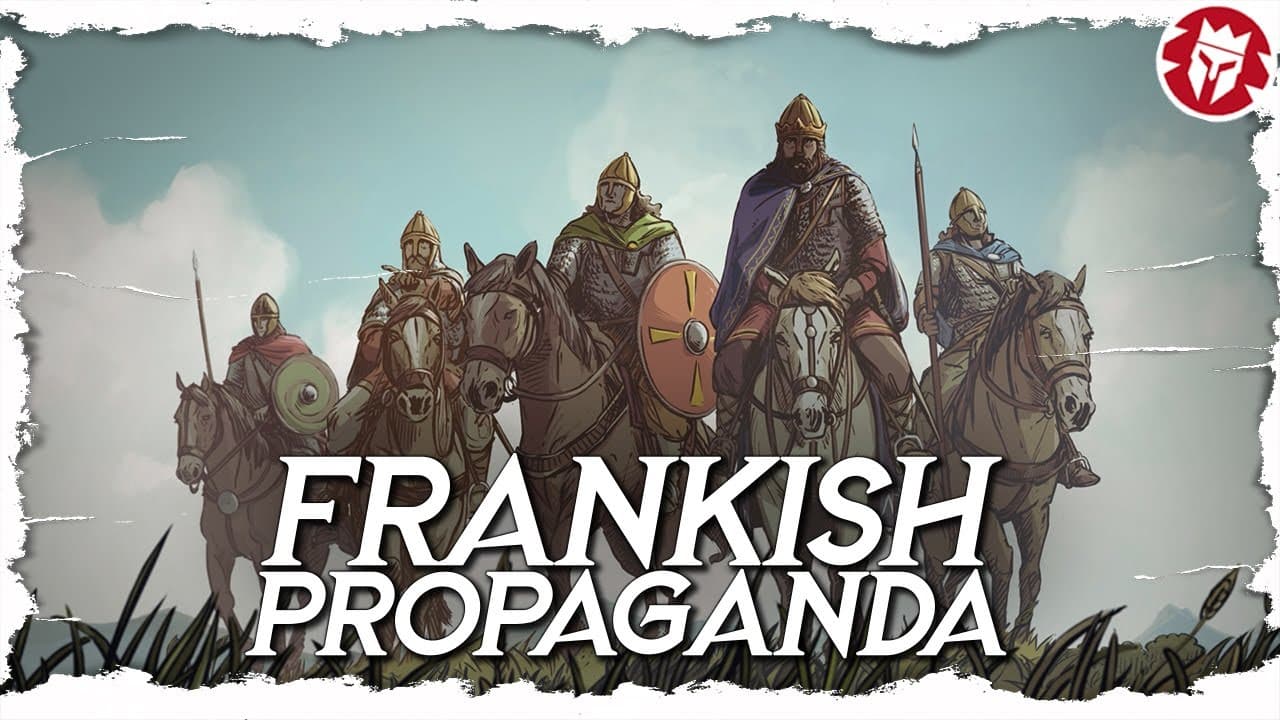
The Annales Regni Francorum and Minor Annals shape Charlemagne’s image as an undefeated ruler, but other sources reveal differing perspectives. The official narrative, produced near the Hofkapelle, aimed to legitimize his rule while minor annals offered alternate views from losers and regional voices. The video shows how memory and power influenced medieval history writing.
Transcript
Imagine a monastery in the early 9th century in what is now Alsace. A young monk is sitting in the scriptorium in front of a codex containing the Annales Regni Francorum. An Annales text containing the history of the Frankish Empire and its great king and emperor Charles, known as “the Great”. The young man begins to ponder; he turns to h... Read More
Key Insights
- Annals are yearly records that originated as marginal notes in Easter tables and later became a standalone historical genre.
- The Annales Regni Francorum are considered the official historiography of Charlemagne and served to legitimize his rule.
- Charlemagne is depicted as a divinely favored ruler who expands Christendom and enforces ecclesiastical rights in the official narrative.
- The Hofkapelle connection suggests the Annales were composed with royal influence to shape memory of power.
- Minor Annals provide alternative perspectives by including losers and regional perspectives within the empire.
- Annales Petaviani and Annales Nazariani show conspiracies, resistance, and mercy, highlighting limits to Charlemagne’s power.
- The video argues that medieval history is shaped by propaganda and memory, not just factual events.
- Dissenting voices in annals reveal the complexity of royal power and resistance within different regions.
- More videos from this channel:
- More from this channel: Kings and Generals
Install to Summarize YouTube Videos and Get Transcripts
Explore YouTube Video Summarizer or Get YouTube Transcript Extractor
Questions & Answers
Q: What are annals and how did they originate in the medieval church?
Annals are a traditional genre of historiography that record events by year in a simple pattern. They originated as marginal notes in Easter tables used for calculating the date of Easter and were developed in early medieval monasteries in Western Europe, eventually becoming a standalone source for recording yearly events.
Q: What is the Annales Regni Francorum and why is it important?
The Annales Regni Francorum are the yearbooks of the Frankish Empire created between 787 and 793 with additional parts added later. They are considered the official historiography of Charlemagne and are believed to be crafted near the Hofkapelle, the chancellery of Charlemagne, to legitimize his rule and portray the Carolingians as capable Christian rulers.
Q: How is Charlemagne depicted in the official annals?
In the official Annales Regni Francorum, Charlemagne is depicted as a successful, divinely favored ruler who leads the Franks to victory, expands Christendom, and maintains imperial power. The narrative emphasizes obedience to God, proper governance, and the exclusion of setbacks such as the lasting impact of failed campaigns, creating a favorable image of his reign.
Q: What is the role of the Hofkapelle in the annals?
The Hofkapelle, Charlemagne’s court chancellery, is believed to have influenced the creation of the Annales Regni Francorum. The text may have been composed in close connection with the Hofkapelle or at least drawn from its inputs, ensuring a narrative that supported royal power and legitimacy.
Q: Who are the Minor Annals and why do they matter?
The Minor Annals emerged in Frankish monasteries and often offered local or independent perspectives. They closely follow the official success story but include nuances or alternate stories from those who lost power. They matter because they reveal dissenting voices and provide a more complex view of Charlemagne’s rise.
Q: Can you name two Minor Annals and what they contribute?
Two notable Minor Annals are the Annales Petaviani and the Annales Nazariani. The Annales Petaviani preserve information that hints at alternative dynastic visions, such as the possible birth of Carloman and his line, suggesting a rival branch to Charlemagne. The Annales Nazariani recount a conspiracy against Charlemagne and the subsequent mercy and exile of conspirators, illustrating resistance within the empire.
Q: What historical purpose do the annals serve beyond recording events?
Beyond recording events, annals function as propaganda tools and memory-shaping devices. They are used to legitimize royal rule, shape contemporaries' perceptions of power, and suppress or minimize failures. The video argues that the official narrative deliberately leaves out defeats or defeats and highlights victories to sustain a stable imperial image.
Q: What does the video suggest about the nature of medieval history writing?
The video suggests that medieval history writing is shaped by memory and power, with royal proclamations and courtly influences guiding which events are recorded and how they are presented. It argues that the official story often excludes unpopular outcomes, while minor annals preserve alternative viewpoints, thus revealing a more nuanced history of Charlemagne’s rise.
Summary & Key Takeaways
-
The video explains what annals are and how they were used in monasteries to record yearly events, often for calculating Easter.
-
It covers the official Annales Regni Francorum as propaganda crafted to legitimize Charlemagne and imperial power.
-
It contrasts this with Minor Annals like the Annales Petaviani and Annales Nazariani which include counter-narratives and voices of those who lost under Charlemagne's rise.
Read in Other Languages (beta)
Share This Summary 📚
Summarize YouTube Videos and Get Video Transcripts with 1-Click
Try YouTube Summary with ChatGPT & Claude or YouTube Transcript Generator
Explore More Summaries from Kings and Generals 📚




Summarize YouTube Videos and Get Video Transcripts with 1-Click
Try YouTube Summary with ChatGPT & Claude or YouTube Transcript Generator