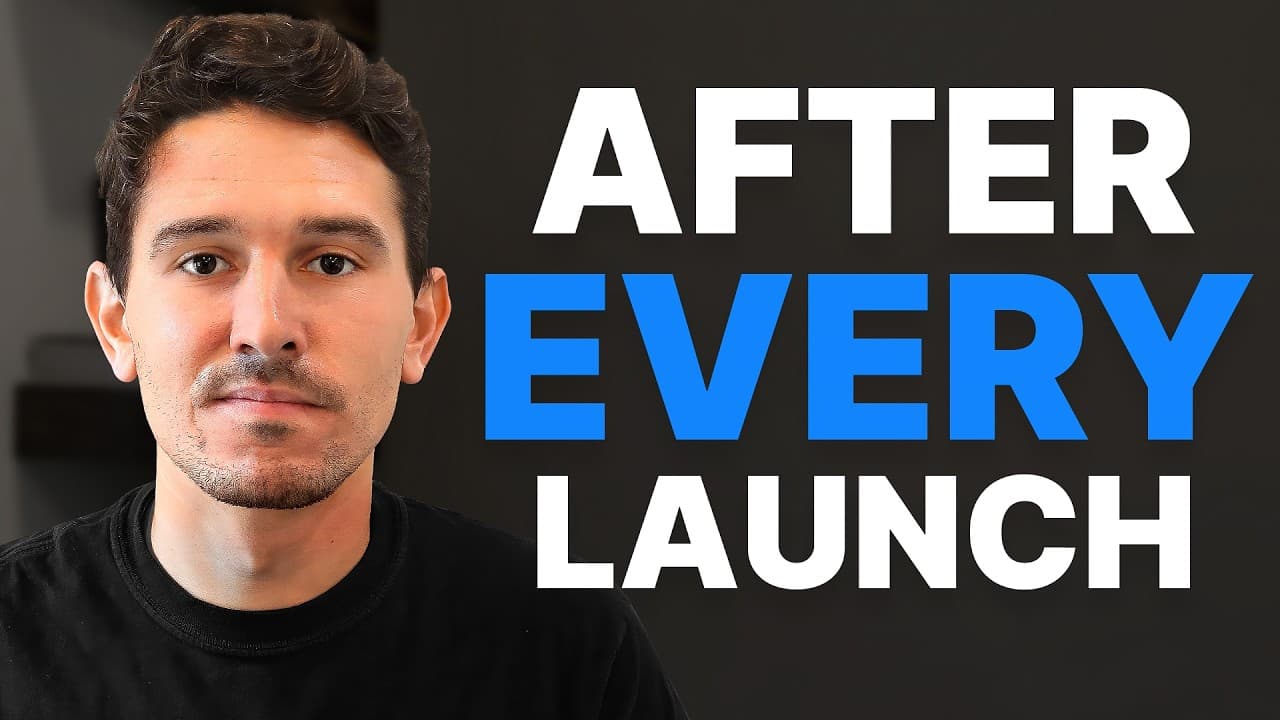
How to maximize ROAS after launching Facebook ads
TL;DR
Start with a structured post-launch process: set up and monitor tracking dashboards, define audiences precisely, and fix or scale campaigns based on solid ROAS targets. This approach emphasizes break-even or slightly above break-even goals to acquire customers who return, while pausing underperformers and scaling winners.
Transcript
If you're serious about growing your business, then what you do immediately after you launch your Facebook ads is just as important as the ads themselves. Most business owners make one of two mistakes. They either launch their ads and make a thousand changes right away, changing everything all the time, always trying to get ahead, or they launch th... Read More
Key Insights
- A robust post-launch framework uses a monthly, weekly, and daily data rhythm to quickly spot performance trends and guide tactical adjustments.
- Audience segmentation is essential, with clearly defined engaged and existing customers allowing precise budget allocation and better control over where money is spent in campaigns.
- Goal setting should anchor on break-even ROAS, with a strategy to gradually push revenue while ensuring customers acquired eventually contribute to long term profitability.
- Losers are identified by low spend and low revenue return, and should be paused to free budget for better performing creatives and audiences.
- Winners with high spend and high ROAS are scaled by duplicating top ads into a scale campaign to amplify successful efforts.
- When a winner is scaled, create multiple variations by changing core elements of the ad to test what drives performance without losing proven effectiveness.
- Core elements for variations should involve meaningful creative changes, not minor edits, to discover new winning formulations and prevent creative fatigue.
- The approach emphasizes the value of long term customer value and lifecycle profitability over immediate first purchase gains, guiding decisions toward sustainable growth similar to a cash cow concept.
- More videos from this channel:
- More from this channel: Sam Piliero
Install to Summarize YouTube Videos and Get Transcripts
Explore YouTube Video Summarizer or Get YouTube Transcript Extractor
Questions & Answers
Q: How can I set up post-launch tracking for Facebook ads to measure ROAS effectively?
Post-launch tracking starts with linking ad data to Shopify and building dashboards that show revenue, ad spend, and ROAS in real time. You should monitor daily, weekly, and monthly trends, then use this data to identify whether you are hitting your break-even ROAS targets. Consistency in data collection ensures you can confidently pause underperforming ads and scale winners without guesswork.
Q: What is the role of audience segmentation after launching ads?
Audience segmentation defines who you are advertising to, distinguishing new, existing, and engaged audiences. By categorizing purchasers, subscribers, and site visitors you can allocate budget more precisely and see which segments drive the most value. This clarity helps prevent overspending on engaged audiences and optimizes campaign structure for scalable growth.
Q: Why should break-even ROAS be the starting goal for new campaigns?
Starting at break-even ROAS helps ensure you are not losing money on first purchases while building a customer base. As customers return, you can increase target ROAS to improve long-term profitability. This approach aligns with lifecycle value, emphasizing sustainable expansion over short term gains.
Q: How do you identify and pause losing ads after launch?
Identify losing ads by looking for low ROAS together with low spend, which are weak and not worth continuing. However, do not pause ads that are low ROAS but high spend if they support other profitable ads. Focus on pausing clearly underperforming assets to reclaim budget for stronger performers.
Q: What is the recommended approach to scaling a winning ad?
Scaling a winning ad involves duplicating the top performing creative into a scale campaign that runs broadly. This preserves the original asset while exposing it to a larger audience. Simultaneously, avoid pausing the original winner to maintain social proof and continuity in performance as you expand.
Q: Why create variations of high performing ads, and how should they be designed?
Create variations to test how different core elements impact performance. Change substantial features like hats, backgrounds, or other defining visuals rather than minor edits. This approach helps you discover durable signals of success and prevents creative fatigue as ads continue to run across a larger audience.
Q: How should ROAS targets influence long term customer profitability?
ROAS targets guide how much you are willing to spend to acquire customers who will return. By focusing on lifecycle value, you can forecast higher long term profits even if initial returns are modest. The strategy emphasizes turning first purchases into repeat purchases and building a cash flow that sustains growth.
Q: What should be tracked daily, weekly, and monthly after launching Facebook ads?
Daily tracking should highlight the most important metrics (spend, revenue, ROAS) to catch rapid shifts. Weekly reviews help assess pacing against targets and adjust allocations. Monthly deep dives reveal broader trends, enabling strategic shifts in audiences, creatives, and bidding to keep the account on a growth trajectory.
Summary & Key Takeaways
-
A post-launch workflow centers on data visibility and goal alignment, using dashboards to compare ad performance against Shopify metrics and a clear ROAS target to guide decisions. It emphasizes rapid but informed adjustments rather than random changes, helping scale consistently.
-
The strategy highlights audience segmentation as a core lever, defining engaged and existing customers, then tracking spend across segments to prevent overspending on non-converters while expanding high-value audiences.
-
The overall method prioritizes disciplined optimization, pausing weak ads, scaling strong ones, and creating variations of top performers to sustain growth without sacrificing profitability.
Read in Other Languages (beta)
Share This Summary 📚
Summarize YouTube Videos and Get Video Transcripts with 1-Click
Try YouTube Summary with ChatGPT & Claude or YouTube Transcript Generator
Explore More Summaries from Sam Piliero 📚



Summarize YouTube Videos and Get Video Transcripts with 1-Click
Try YouTube Summary with ChatGPT & Claude or YouTube Transcript Generator