How to practice progressive muscle relaxation for anxiety
TL;DR
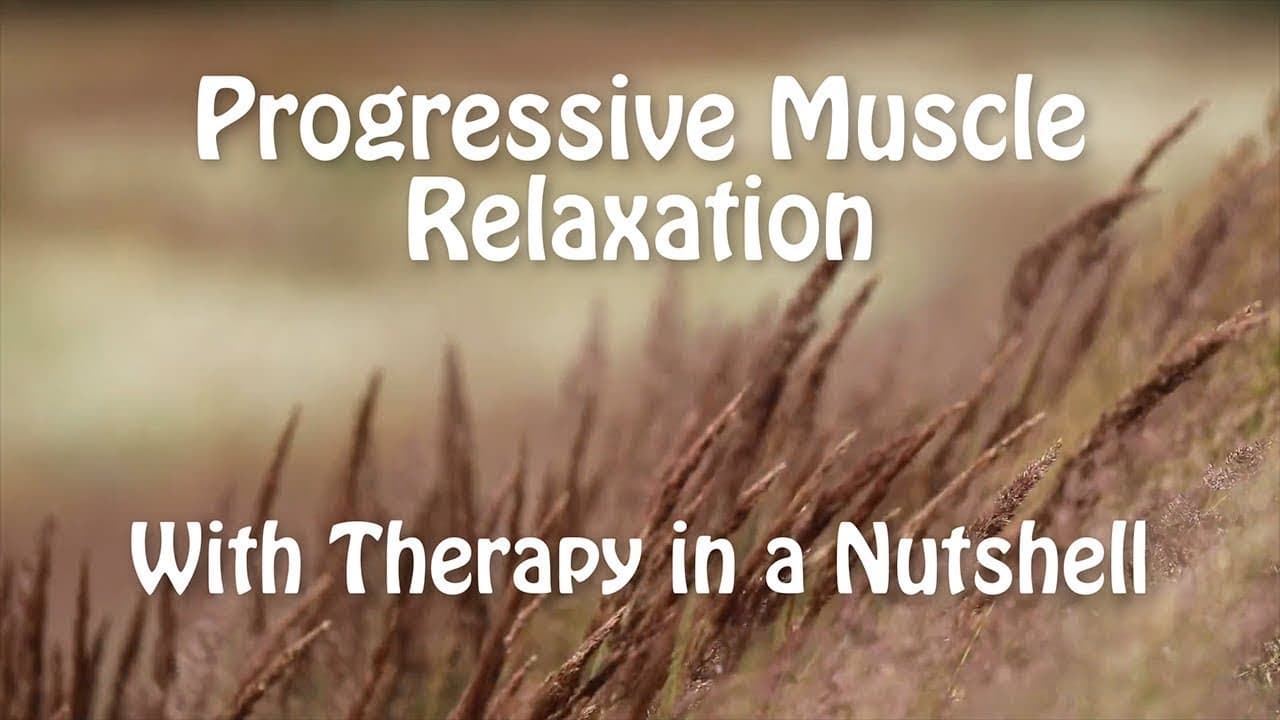
Progressive muscle relaxation reduces stress by slowly tensing and then relaxing each muscle group. Begin by deep breathing, then progressively work from feet to head, noticing the shift from tension to relaxation. Practice regularly to improve awareness and quickly calm the body when stress rises.
Transcript
This activity is called progressive muscle relaxation. It's an exercise that reduces stress and anxiety in your body by having you slowly tense and then relax each muscle. This exercise can provide an immediate feeling of relaxation but it's best to practice frequently. With experience you will become more aware of when you're experiencing tens... Read More
Key Insights
- Progressive muscle relaxation is an exercise to reduce stress by tensing and then relaxing muscles.
- The technique starts with conscious, deep breathing and breath control to move tension out of the body.
- The routine progresses from feet to legs, thighs, pelvic region, abdomen, chest, arms, shoulders, neck, and face.
- Each muscle group is tensed briefly, held, then released to notice the shift to relaxation.
- Breathing out slowly helps imagine tension leaving the body with the breath.
- The method emphasizes not straining, finding a comfortable level of tension.
- Regular practice improves awareness of when tension arises and how to relax.
- The practice can be paused for longer sessions, or the user can wake the body gradually after relaxing.
- More videos from this channel:
- More from this channel: Therapy in a Nutshell
Install to Summarize YouTube Videos and Get Transcripts
Explore YouTube Video Summarizer or Get YouTube Transcript Extractor
Questions & Answers
Q: How to start progressive muscle relaxation for anxiety relief?
Begin by sitting or lying in a comfortable position, close your eyes if you like, and take deep breaths. Inhale, hold for a few seconds, then exhale slowly while releasing tension. Move attention to the feet and gradually tense and release each major muscle group, progressing upward through the body while maintaining slow, steady breathing.
Q: What is the role of breathing in this technique?
Breathing plays a central role by providing a rhythm for tensing and releasing muscle groups. Inhale deeply, hold briefly, and exhale slowly, guiding the release of tension with each out breath. This breathing pattern helps calm the nervous system and supports the transition from tension to relaxation.
Q: Which muscle groups are targeted in the sequence?
The sequence targets from the feet up through the legs, pelvis, abdomen, chest, arms, shoulders, neck, and face. Each area is tensed, held briefly, and released to create a clear contrast between tension and relaxation and to build body awareness.
Q: How long should you hold each tension before releasing?
Hold each muscle group for a few seconds, just enough to feel the tension without straining. The exact duration is not fixed, but the emphasis is on a brief hold that allows you to notice the sensation of tightness, followed by a relaxed release.
Q: Can this exercise be done if I have limited mobility?
Yes, the routine can be adapted to individual capability. You can tense and release whichever muscle groups are comfortable to engage, starting with the parts you can access easily and progressing as you gain flexibility and awareness.
Q: What is the expected immediate effect after a relaxation cycle?
An immediate feeling of relaxation often follows the release of tension. The body may feel softer, warmer, and more at ease as the nervous system shifts toward a calm state. This contrast between prior tension and post release is a key cue of progress.
Q: How often should one practice progressive muscle relaxation?
The video suggests practicing frequently to build awareness of tension. Regular sessions help you learn to recognize tension early and apply the relaxation skills when needed, improving your ability to stay calm in stressful situations.
Q: What additional resources are mentioned for further help?
The description invites viewers to explore other videos on the channel, mentions courses and memberships, sponsorships for online therapy, and additional self help resources. These options provide structured pathways to deepen skills in managing anxiety and emotions.
Summary & Key Takeaways
-
Progressive muscle relaxation teaches you to identify and release muscle tension through step by step tensing and relaxing, starting with the feet and moving upward. The practice emphasizes deep breathing and awareness of how tension leaves the body with each exhale. Regular use helps train the nervous system to calm more readily.
-
The routine includes tensing muscles without straining, holding briefly, then releasing to feel the relaxation spread. It builds a contrast between tension and ease, which enhances body awareness and reduces overall anxiety. With practice, individuals can recognize early signs of tension.
-
The video invites viewers to pause for longer sessions if desired and to wake the body slowly after the relaxation. It positions progressive muscle relaxation as a skill that can be learned and used to manage emotions, supported by the creator’s other resources and channels.
Read in Other Languages (beta)
Share This Summary 📚
Summarize YouTube Videos and Get Video Transcripts with 1-Click
Try YouTube Summary with ChatGPT & Claude or YouTube Transcript Generator
Explore More Summaries from Therapy in a Nutshell 📚



Summarize YouTube Videos and Get Video Transcripts with 1-Click
Try YouTube Summary with ChatGPT & Claude or YouTube Transcript Generator