How to calm anxiety using your nervous system
TL;DR
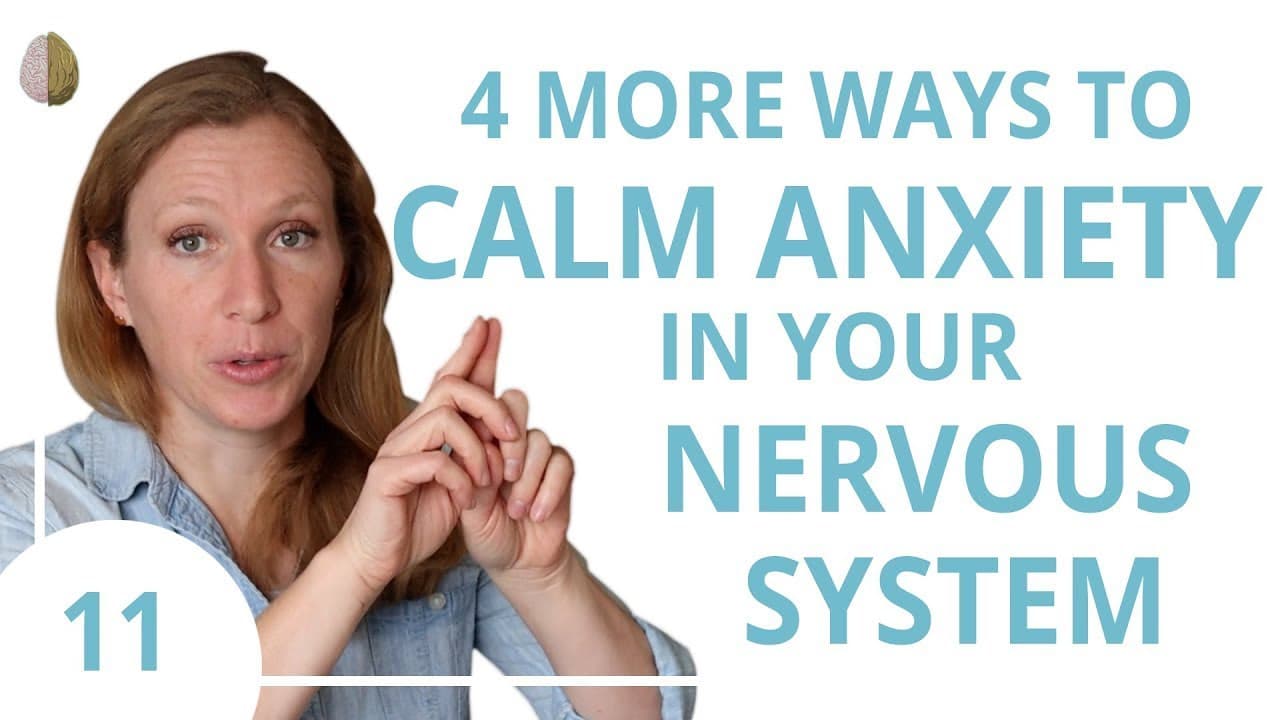
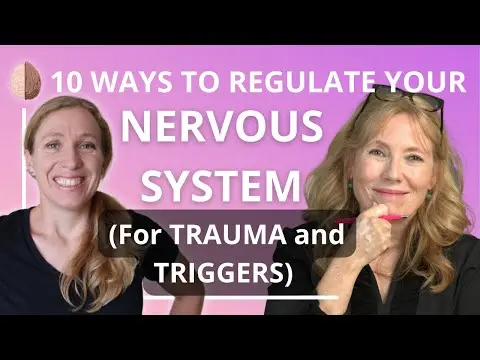
Calm anxiety by activating the body’s anti anxiety response through self regulation. Learn to pair a belief of safety with mindful awareness, use breathing and muscle control to trigger the parasympathetic system, and apply practical techniques like tapping to stay regulated while performing tasks.
Transcript
i once read a story about a woman who adopted a stray dog that she found wandering the highway he was a sweet mutt he was good with kids he was well behaved and he didn't make messes in the house the only downside was that every time they got into the car he would get worked up into a tizzy he would run back and forth across the back seat frant... Read More
Key Insights
- Anxiety is driven by the nervous system and can be modulated through self regulation.
- Relaxation alone is not enough; self regulation lets you stay calm during tasks.
- Deep, slow breathing slows heart rate and activates the parasympathetic system.
- Breathing and muscle control are autonomic actions you can influence.
- The vagus nerve can be stimulated by specific body based techniques.
- Emotional freedom technique tapping is used to reduce immediate anxiety.
- Pairing the belief of safety with mindful awareness changes stress responses.
- Goal is to maintain calm while remaining active and engaged during tasks.
- More videos from this channel:
- More from this channel: Therapy in a Nutshell
Install to Summarize YouTube Videos and Get Transcripts
Explore YouTube Video Summarizer or Get YouTube Transcript Extractor
Questions & Answers
Q: What is the core idea behind self regulation for anxiety
Self regulation is about calming the nervous system while you are in the middle of a task so you can stay focused and effective. By consciously easing muscles, slowing breathing, and applying grounding techniques you create a sense of safety that reduces the fight flight freeze response. This makes it possible to handle stress without becoming overwhelmed.
Q: How does breathing affect anxiety according to the video
Breathing is an autonomic reaction we can influence. Slow, deep breaths trigger the parasympathetic system which promotes calm. When you consciously take a deep breath you send a message to your brain that it is safe, lowering physiological signs of stress and helping you think more clearly and respond rather than react.
Q: What is the emotional freedom technique tapping used for
Emotional freedom technique tapping involves tapping on specific points on the body, such as the forehead, under the eyes, and collarbone. This technique is used to stimulate calming sensations and reduce immediate anxiety by engaging sensory pathways, helping to lower arousal and restore balance during stressful moments.
Q: Why is it important to distinguish between relaxation and self regulation
Relaxation often requires stepping away from a task and can become a habit of avoidance, which may backfire. Self regulation, by contrast, teaches you to stay calm while actively performing tasks. This keeps your nervous system balanced without withdrawing from challenges and helps sustain performance and energy levels.
Q: What role does safety play in reducing anxiety
Safety is framed as a belief that you are not in immediate danger, which allows the nervous system to switch from a defensive state to a more regulated one. By recognizing you are safe in the present moment and pairing this with mindful body awareness, you reduce the brain’s threat response and lower overall arousal.
Q: How can one apply these skills during demanding events like work weekends
During demanding events you can use self regulation to stay calm while still being engaged. Techniques like slow breathing, soft gaze, and staying aware of physical signals help prevent the stress response from hijacking attention. This allows you to perform at your best and recover energy more quickly afterward.
Q: What are the four additional techniques mentioned for stimulating calm
The video introduces four more techniques to stimulate calm via the vagus nerve: the deep belly breath, a controlled exhale through the Valsalva maneuver, peripheral vision, and softening the gaze. These strategies are designed to reduce arousal and support a parasympathetic shift during ongoing activity.
Q: Why is it useful to track your anxiety level before applying techniques
Recording your anxiety on a simple scale helps you calibrate which techniques are most effective for you in the moment. It creates awareness about how your body responds to different stressors and provides a baseline to measure progress as you practice the self regulation skills over time.
Summary & Key Takeaways
-
This video explains that anxiety and PTSD arise from the nervous system being stuck in a high alert state and can be addressed by self regulation that keeps the body calm during activities.
-
The presenter outlines several body based methods to turn on the parasympathetic response, including deep belly breathing, the Valsalva maneuver, peripheral vision, softening gaze, yawning, and the shake it off technique.
-
A practical approach is offered for applying these skills at work or during demanding tasks, enabling calmer decision making and sustainable energy without creating avoidance or excessive relaxation.Depths of safety and awareness are emphasized as core to transforming stress responses.
Read in Other Languages (beta)
Share This Summary 📚
Summarize YouTube Videos and Get Video Transcripts with 1-Click
Try YouTube Summary with ChatGPT & Claude or YouTube Transcript Generator
Explore More Summaries from Therapy in a Nutshell 📚

Summarize YouTube Videos and Get Video Transcripts with 1-Click
Try YouTube Summary with ChatGPT & Claude or YouTube Transcript Generator