How to cope with school anxiety using ACT tools
TL;DR
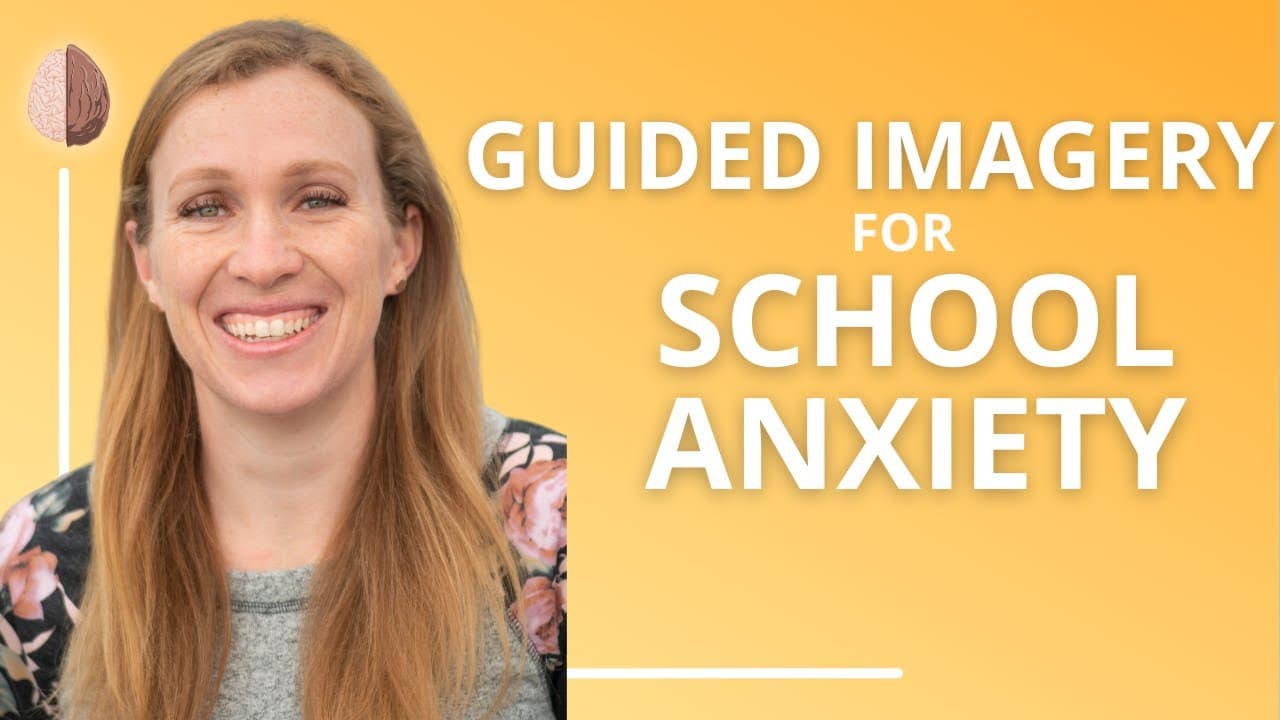
ACT tools help you face anxiety without escaping. The video guides a body scan, mindful breathing, and tolerating uncomfortable feelings while acting on personal values. It emphasizes resilience over relaxation and uses a first day of school scenario to practice.
Transcript
Hi, I'm Emma McAdam, a licensed therapist, in this little Nugget of Help we're going to apply some tools from acceptance and commitment therapy to help with school and social anxiety. This activity is meant to help build an increased ability to face anxiety provoking situations like school or social settings The goal of this activity is not relaxa... Read More
Key Insights
- ACT tools help separate internal experiences from actions by recognizing thoughts as simply thoughts and not facts.
- The practice begins with a grounding body scan and breath work to anchor attention in the present moment.
- Emotions are experienced without needing to escape, which builds willingness to stay in contact with distress.
- The technique reframes anxiety as a normal energy that can prepare you for action, not a threat to avoid.
- Values guided actions, like reaching out to classmates, help translate inner discomfort into meaningful social connection.
- Cognitive defusion is used to observe thoughts without letting them drive behavior.
- A quick SIFT framework (Sensation, Images, Feelings, Thoughts) guides attention through experiences.
- The overall goal is resilience, defined as the ability to experience uncomfortable sensations with strength and calm.
- More videos from this channel:
- More from this channel: Therapy in a Nutshell
Install to Summarize YouTube Videos and Get Transcripts
Explore YouTube Video Summarizer or Get YouTube Transcript Extractor
Questions & Answers
Q: How can I use ACT to handle school anxiety in real life
ACT teaches you to notice anxiety without judging it and to choose actions aligned with your values. Start with a body scan and breathing to ground yourself, then acknowledge uncomfortable sensations as they arise. Remind yourself that you can handle feeling anxious and still move toward your goals, such as connecting with peers or doing class tasks.
Q: What is the first step to address social anxiety on the first day of school
The first step is to notice sensations and thoughts without trying to change them. Use a breath and body awareness routine to calm your nervous system. Then observe your emotions with curiosity, recognizing that anxiety and excitement share the same physiology and can be managed by staying present and choosing values guided behavior.
Q: How does the video suggest dealing with fear during icebreaker activities
The video recommends acknowledging fear, calling it by name, and deciding not to let it control actions. You should still engage in the activity, use listening and small talk to connect with others, and remind yourself that others are likely focused on their own nerves too, which reduces self monitoring and promotes authentic connection.
Q: What role do values play in coping with anxiety according to the video
Values provide direction when anxiety is high. The video emphasizes being kind and wanting to connect with people as core values, which support choosing brave, prosocial actions even when fear is present. Acting on values helps build meaningful relationships and increases resilience over time.
Q: What is the SIFT technique mentioned in the video
SIFT stands for Sensations, Images, Feelings, and Thoughts. It is a quick framework to notice what you are experiencing in the moment. By labeling sensations, images, feelings, and thoughts without judgement, you create space for choice and reduce avoidance, helping you stay connected to the present task.
Q: How can I practice cognitive defusion as described in the video
Cognitive defusion is practiced by viewing thoughts as mental events rather than truths. The video suggests noticing thoughts like accusations or fears and not letting them dictate actions. You acknowledge the thought, label it as just a thought, and then redirect focus to values driven behavior or the present moment.
Q: What is meant by resilience in the context of this video
Resilience is the ability to experience uncomfortable sensations with strength, compassion, and calm, and still act in accordance with valued goals. It means not needing feelings to disappear for you to be okay, and continuing to engage in meaningful activities like social interaction and learning despite anxiety.
Q: How does breathing play a role in managing anxiety in the video
Breathing is used to ground attention and regulate arousal. The video guides slow, intentional inhalations and exhalations to calm the nervous system, helping you notice bodily sensations without reacting impulsively. This creates space to choose actions aligned with values rather than fleeing from distress.
Summary & Key Takeaways
-
The video demonstrates a step by step ACT based practice to build resilience in the face of school and social anxiety. It begins with a grounding breath and body scan to notice sensations without trying to change them. The guidance focuses on values driven action rather than avoidance.
-
A key technique is acknowledging fear as a signal but not the boss of behavior, then choosing actions aligned with values like being kind and connecting with others during social activities.
-
The session uses imagery and cognitive defusion, inviting viewers to observe thoughts as thoughts and not facts, while encouraging willingness to experience uncomfortable emotions and proceed with meaningful actions.
Read in Other Languages (beta)
Share This Summary 📚
Summarize YouTube Videos and Get Video Transcripts with 1-Click
Try YouTube Summary with ChatGPT & Claude or YouTube Transcript Generator
Explore More Summaries from Therapy in a Nutshell 📚





Summarize YouTube Videos and Get Video Transcripts with 1-Click
Try YouTube Summary with ChatGPT & Claude or YouTube Transcript Generator