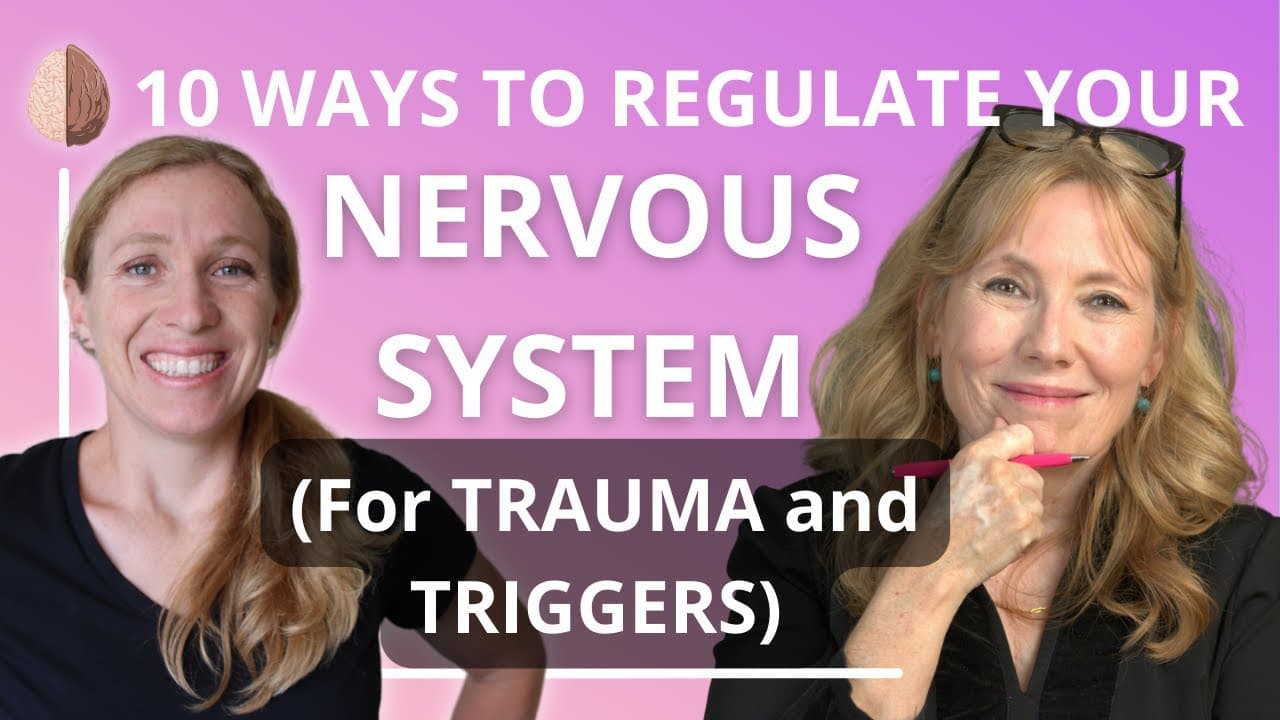
How Can You Regulate Trauma Triggers? 10 Ways with Anna Runkle, the Crappy Childhood Fairy
TL;DR
You can regulate your nervous system after a trauma trigger by recognizing dysregulation and using calming techniques such as grounding exercises, deep breathing, mindfulness, or a cold shower. Anna Runkle, known as the Crappy Childhood Fairy, presents 10 ways to return from fight, flight, or freeze to calmer thinking. Read on to understand triggers and choose practical responses for difficult moments.
Transcript
Childhood trauma physically changes your brain. It makes your alarm system set off super easily. And people often call this getting triggered. But what's really happening is that when the brain perceives a threat, the emotional part of the brain gets launched into high alert, and it basically shuts down rational thinking to a degree. Now, you m... Read More
Key Insights
- Childhood trauma physically alters the brain, making it more susceptible to triggers.
- Emotional dysregulation can impair rational thinking and affect relationships.
- Self-regulation techniques can help individuals calm their nervous system.
- Recognizing when you're triggered is the first step in managing dysregulation.
- Grounding exercises, like stamping feet, can help reorient the body and mind.
- Deep breathing activates the relaxation response and helps regain control.
- Cold showers can reset the nervous system and increase energy.
- Emotional dysregulation has long-term effects on the central nervous system.
Install to Summarize YouTube Videos and Get Transcripts
Explore YouTube Video Summarizer or Get YouTube Transcript Extractor
Questions & Answers
Q: How can you regulate your nervous system after a trauma trigger?
First recognize that you are dysregulated, then take quick action to calm the triggered response. Anna Runkle recommends approaches including grounding exercises, deep breathing, mindfulness, and cold showers to help you return to a calmer, thinking state.
Q: What is emotional dysregulation after childhood trauma?
Dysregulation is a sudden state of internal stress in which brain waves and body systems become irregular and out of sync when a trigger occurs. It can bring adrenaline, numbness, panic, rage, confusion, or difficulty expressing thoughts.
Q: How does childhood trauma affect the brain’s response to triggers?
Childhood trauma physically changes the brain and can make its alarm system activate very easily. When the brain perceives a threat, its emotional part goes into high alert and rational thinking partially shuts down.
Q: What are common triggers for people with childhood PTSD?
Triggers can include a loud noise, a sudden shock, vulnerability, nervousness, or emotional hurt. Anna Runkle identifies criticism, being overlooked, and rejection as especially common examples.
Q: What does the fight, flight, or freeze response feel like?
A person may feel scared, angry, upset, numb, detached, or desperate to flee or placate others. The response may also involve adrenaline, disorientation, numbness in the hands or face, trouble speaking, panic, or rage.
Q: What grounding exercises can help with dysregulation?
Grounding options in the page include stamping your feet, sitting and noticing your weight in a chair, and washing your hands with warm water. These sensory actions can help reorient the body and mind during a triggered state.
Q: Why can dysregulation make work and relationships difficult?
When dysregulated, only part of the brain is working, which can make it hard to think, focus, set boundaries, speak, listen, and connect. The response may last for hours or days, or become chronic, making work, home life, and relationships difficult to navigate.
Q: Who is Anna Runkle, the Crappy Childhood Fairy?
Anna Runkle is also known as the Crappy Childhood Fairy and helps people heal symptoms connected to childhood trauma. She draws on her own experience overcoming childhood trauma and PTSD and on decades of helping others, but the transcript explicitly notes that she is not a mental health professional.
Summary & Key Takeaways
-
Childhood trauma can lead to a heightened state of emotional dysregulation, impacting one's ability to think clearly and maintain relationships. Anna Runkle shares 10 self-regulation techniques to help individuals manage these triggers effectively, such as deep breathing, grounding exercises, and mindfulness practices. By applying these methods, individuals can regain control, improve their mental health, and enhance their overall quality of life.
-
Emotional dysregulation often results from childhood trauma, causing the brain to enter fight, flight, or freeze mode. This video provides practical strategies to manage dysregulation, including recognizing triggers, using grounding exercises, and practicing deep breathing. These techniques can help individuals calm their nervous system, enabling them to function better in daily life and improve their relationships.
-
Anna Runkle, known as the Crappy Childhood Fairy, offers insight into managing emotional dysregulation caused by trauma. She introduces 10 techniques, such as recognizing triggers, grounding exercises, and cold showers, to help individuals self-regulate and regain control. These methods not only aid in mental clarity but also contribute to overall physical health, demonstrating that healing from trauma is possible.
Read in Other Languages (beta)
Share This Summary 📚
Summarize YouTube Videos and Get Video Transcripts with 1-Click
Try YouTube Summary with ChatGPT & Claude or YouTube Transcript Generator
Explore More Summaries from Therapy in a Nutshell 📚




Summarize YouTube Videos and Get Video Transcripts with 1-Click
Try YouTube Summary with ChatGPT & Claude or YouTube Transcript Generator