How Can Keto and Metabolic Treatments Affect Mental Health Conditions?
TL;DR
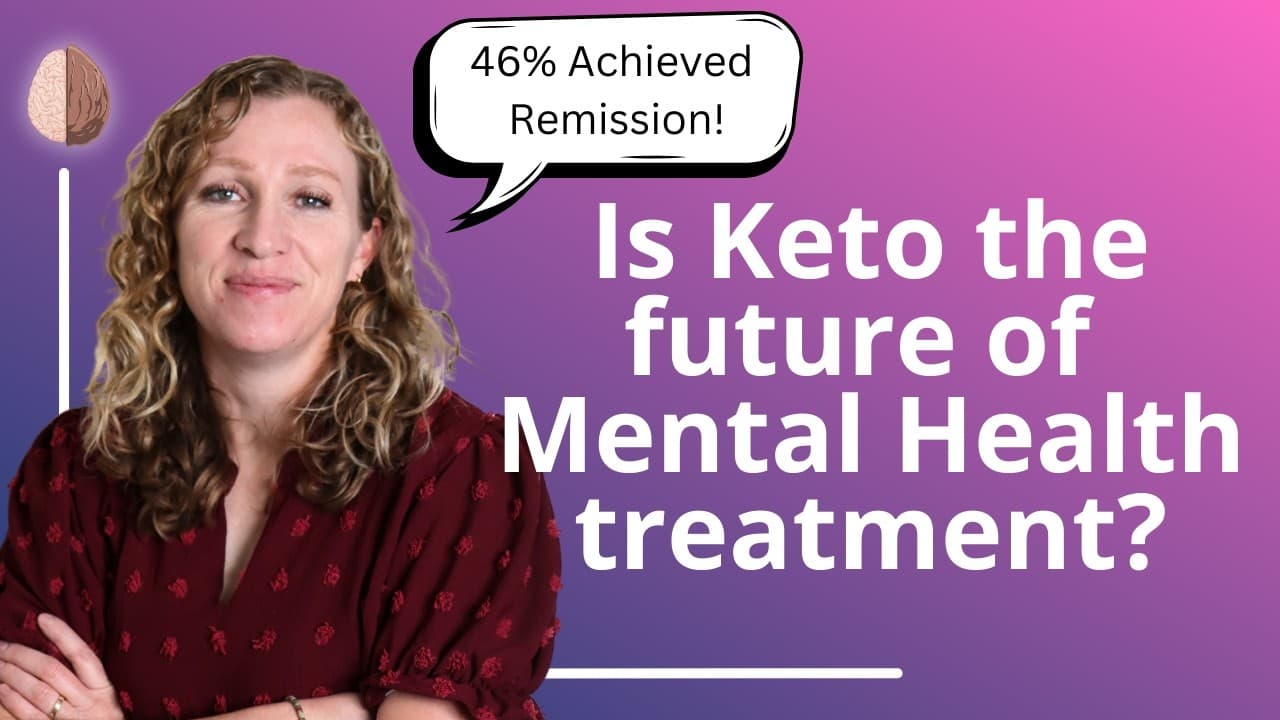
Keto may improve severe mental health conditions by inducing ketosis, providing ketones as an alternative fuel source and helping stabilize neuronal activity. In one study, 28 of 31 hospitalized patients maintained a medical keto diet; all 28 reported symptom improvements, and 43% achieved remission. Research remains new, but the findings and personal experiences described here offer a compelling reason to examine how metabolic treatment works.
Transcript
Some people with severe persistent mental illnesses like schizophrenia and bipolar disorder have been seen dramatic results on a keto diet. So research is still really new in this field but one study of patients who were hospitalized with severe disorders like schizophrenia, bipolar, and depression were treated with a medical keto diet and 28 o... Read More
Key Insights
- The ketogenic diet is a high-fat, low-carb diet that induces ketosis, using fat as the primary energy source.
- Ketosis stabilizes neuronal activity, which is beneficial for brain function and mental health.
- Research shows 43% of patients with severe psychiatric disorders achieved remission with a medical keto diet.
- Dr. Chris Palmer theorizes mental illnesses are linked to metabolic dysfunction, treatable with metabolic interventions.
- Metabolic treatments like keto, fasting, and exercise offer hope for severe mental health conditions.
- Adherence to the keto diet can be challenging due to dietary restrictions and potential nutrient imbalances.
- The keto diet may also have positive effects on conditions like Alzheimer's, PTSD, and eating disorders.
- Consulting a professional is crucial before starting keto for mental health treatment due to varying individual needs.
Install to Summarize YouTube Videos and Get Transcripts
Explore YouTube Video Summarizer or Get YouTube Transcript Extractor
Questions & Answers
Q: How does keto affect mental health treatments?
A medical keto diet forces the body into ketosis, producing ketone bodies as an alternative fuel source. Ketones have been linked to stabilized neuronal activity, and researchers are observing improvements among people with brain disorders and severe mental illnesses such as schizophrenia and bipolar disorder.
Q: What results did the medical keto study report for severe psychiatric disorders?
The study involved 31 hospitalized patients with severe disorders including schizophrenia, bipolar disorder, and depression. Of the 28 patients who maintained the medical keto diet, 100% experienced symptom improvements and 43% achieved remission.
Q: What is a medical ketogenic diet?
A medical ketogenic diet is high in fat, low in carbohydrates, and moderate in protein. It is carefully formulated to induce ketosis and is generally 80% to 90% fat, with the remainder consisting of protein and carbohydrates.
Q: How might ketones help brain function?
Ketones provide an alternative fuel source when the body switches from primarily burning carbohydrates to mostly fat. Their production has been linked to stabilized neuronal activity and reduced seizures, which is why researchers are investigating their effects on other brain disorders.
Q: What happened when Lauren Kennedy West tried medical keto?
Lauren Kennedy West began medical keto in December 2023 to help manage schizoaffective disorder after medication and therapy left breakthrough symptoms. She reported major improvements in positive, negative, and cognitive symptoms and said that, after gradually reducing medication over 10 or 11 months, she became completely free of psychiatric medication and more stable than ever.
Q: Did Lauren Kennedy West use professional support for medical keto?
Yes. Because her care team knew little about medical keto, she brought in a keto coach who was also a therapist trained in nutrition and medical ketogenic therapy to advise the team on implementing it effectively.
Q: How does Dr. Chris Palmer connect metabolism and mental illness?
Dr. Chris Palmer presents the theory that the brain disorders called mental illnesses are largely metabolic disorders affecting the brain. His book Brain Energy describes this case, and his work examines metabolic treatments such as keto, intermittent fasting, sleep, and exercise.
Q: What other condition in the transcript improved with a medical keto diet?
Kjrstin, a therapist with debilitating migraines, tried a medical keto diet after a migraine specialist recommended it. Within a few weeks, her migraines had almost completely disappeared after medications, chiropractic care, doctors, and physical therapy had not resolved them.
Summary & Key Takeaways
-
The ketogenic diet, traditionally used for epilepsy, is being explored for its potential in treating mental health conditions like bipolar disorder and schizophrenia. It induces ketosis, stabilizing neuronal activity and reducing inflammation.
-
Research indicates that 43% of patients with severe psychiatric disorders achieved remission on a medical keto diet, with all participants experiencing symptom improvement.
-
Dr. Chris Palmer's research suggests mental illnesses may stem from metabolic dysfunction, and interventions like keto could revolutionize treatment. However, challenges like adherence and long-term effects on gut health remain.
Read in Other Languages (beta)
Share This Summary 📚
Summarize YouTube Videos and Get Video Transcripts with 1-Click
Try YouTube Summary with ChatGPT & Claude or YouTube Transcript Generator
Explore More Summaries from Therapy in a Nutshell 📚



Summarize YouTube Videos and Get Video Transcripts with 1-Click
Try YouTube Summary with ChatGPT & Claude or YouTube Transcript Generator