How to Help Your Child Overcome Anxiety: Parent Mindset
TL;DR
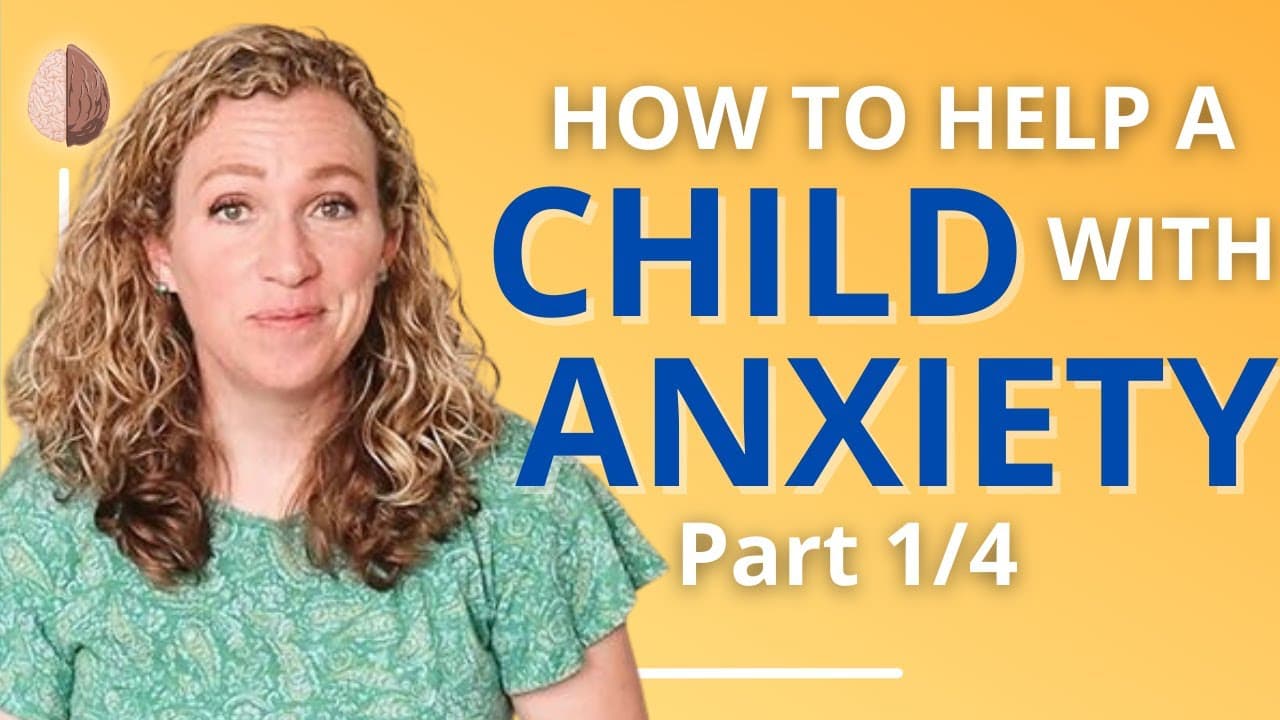
The main takeaway is that changing how parents respond to anxiety is more effective than teaching kids alone. Anxiety is an emotion with a function, not a danger, and modeling calm handling helps children learn to manage it. You can guide your child by validating feelings, staying composed, and gradually facing fears together.
Transcript
Hi, everyone. I'm Emma McAdam. I'm a licensed marriage and family therapist. And in the next four videos we're going to be talking about how to help your child with anxiety. Okay. So you've got a kid with anxiety. They might struggle to go to school, or they're shy, or maybe they're dealing with stomachaches or headaches or some other physical ... Read More
Key Insights
- Anxiety is a teachable emotion, not a dangerous state.
- Parents influence child anxiety more than therapy alone due to daily interactions.
- A healthy relationship with emotions reduces long term anxiety.
- Modeling calm coping teaches children to handle fear.
- Avoiding anxiety strengthens fear and dependence in kids.
- Acknowledging feelings without overreacting builds resilience.
- Clear, confident exits when saying goodbye reduce clinginess.
- Persistent, gentle exposure to feared situations builds confidence.
- More videos from this channel:
- More from this channel: Therapy in a Nutshell
Install to Summarize YouTube Videos and Get Transcripts
Explore YouTube Video Summarizer or Get YouTube Transcript Extractor
Questions & Answers
Q: What is the core idea behind helping a child with anxiety as discussed in the video?
The core idea is that it is more effective to change the parent’s approach to anxiety than to focus only on teaching the child skills or sending them to therapy. Parents control about 168 hours a week with their kids, and their responses shape how children interpret and react to anxious situations. By modeling calm and confident handling of emotions, parents teach children to cope and grow more resilient over time.
Q: Why is anxiety considered an emotion rather than a negative trait in this framework?
Anxiety is described as an emotion with a function, not a danger that must be eliminated. It signals the need to assess safety and consider actions. Normalizing this feeling while avoiding overreaction helps children learn to manage it, make intentional choices, and engage in activities that are safe and beneficial, rather than letting fear control decisions.
Q: What should parents say to a child who is anxious about a difficult situation?
Parents should acknowledge the feeling and validate it, for example saying it is okay to feel a little nervous while affirming the child can handle it. They can share their own similar feelings and discuss what the child will choose to do, maintaining a supportive stance without denying the emotion or abandoning the child during are difficult moments.
Q: What is the recommended approach when a child is anxious about leaving for preschool or a similar setting?
The recommended approach is to stay calm, show confidence that the child is safe, and leave after saying supportive words. The parent returns later to praise the child for facing the challenge. This models resilience and helps the child build trust in their own ability to cope in the future.
Q: What are common mistakes parents make regarding their own anxiety around their child’s fears?
Common mistakes include worrying that anxiety will harm the child or trying to protect the child from all anxious feelings. Overprotecting or avoiding triggers teaches fear and dependence, which can worsen long-term anxiety. Instead, parents should learn to relate to their own emotions and demonstrate how to handle them.
Q: How does the video suggest handling situations that trigger anxiety in social settings?
The video recommends acknowledging the anxiety, staying present with the child, and guiding them through the situation rather than withdrawing. Parents can model how to approach new people or experiences, showing that uncomfortable feelings can be managed with support and gradual exposure, which helps the child build social confidence over time.
Q: What is the role of exposure in this parenting approach to anxiety?
Exposure plays a role by allowing children to encounter fear-inducing situations in a controlled, supportive way. By facing anxiety rather than avoiding it, children learn that they can cope, which reduces fear and builds independence. Parents should balance exposure with reassurance and a sense of safety so progress occurs gradually.
Q: What resources are mentioned for parents wanting to learn more about managing anxiety?
The video mentions online courses such as How to Process Emotions and How to Help, as well as 30 Days to Better Relationships, offered by Therapy in a Nutshell. Parents are encouraged to explore these courses and other offerings on the website to learn skills for managing both their own emotions and their children’s anxiety.
Summary & Key Takeaways
-
The first point explains that modifying the parent’s approach to anxiety yields better results than solely teaching children coping skills. Parents have hundreds of weekly interactions shaping a child’s response to fear, so modeling calm and confident behavior is powerful. This changes the child’s interpretation of situations.
-
The second point reframes anxiety as an emotion with a purpose, not as a threat. It helps children assess safety and decide actions, and it should not be avoided. Parents are encouraged to acknowledge feelings while not overreacting, demonstrating that feelings can be managed.
-
The third point emphasizes practical phrases and behavior to normalize emotions. By sharing feelings honestly and walking away confidently when a child is anxious, parents foster resilience and independence over time. The approach centers on connection and consistent reassurance.
Read in Other Languages (beta)
Share This Summary 📚
Summarize YouTube Videos and Get Video Transcripts with 1-Click
Try YouTube Summary with ChatGPT & Claude or YouTube Transcript Generator
Explore More Summaries from Therapy in a Nutshell 📚

Summarize YouTube Videos and Get Video Transcripts with 1-Click
Try YouTube Summary with ChatGPT & Claude or YouTube Transcript Generator