How to distinguish stress anxiety and worry
TL;DR
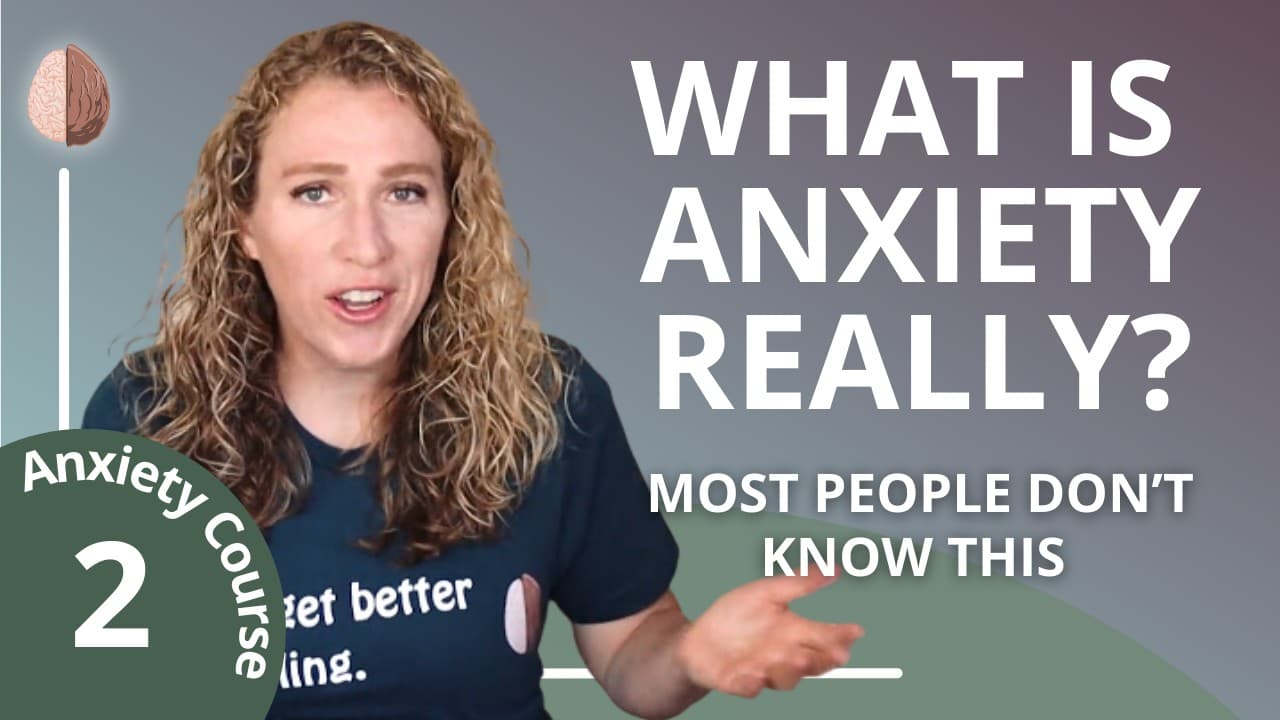
Stress is the physiological reaction to threats, anxiety is the emotional response to perceived danger, and worry is the thinking part focused on future events. Understanding the difference lets you tailor tools for each: calm the body to reduce stress, reframe thoughts to manage worry, and describe emotions without judgment for better control.
Transcript
What is anxiety? This may seem like such an obvious question because you've experienced it, but the more precisely you describe a problem or an emotion, the greater ability you have to do something about it. So in this video you'll learn the difference between stress, anxiety, and worry, because knowing the difference can give you a ton of tool... Read More
Key Insights
- Stress is the physiological activation of the nervous system in response to danger.
- Anxiety is the emotional reaction to perceived danger and is closely connected to fear.
- Worry is the thinking component of anxiety about future events or the unknown.
- Anxiety serves a protective function by making us alert but can become problematic when chronic.
- The difference between actual danger and perceived danger matters for how we respond.
- Awareness of anxiety is the first step to changing your relationship with it.
- Letting go of judgment helps you relate to anxiety as a helper rather than a foe.
- Describing anxiety with specific terms increases control over the experience.
- More videos from this channel:
- More from this channel: Therapy in a Nutshell
Install to Summarize YouTube Videos and Get Transcripts
Explore YouTube Video Summarizer or Get YouTube Transcript Extractor
Questions & Answers
Q: A real search query question about the video (e.g. 'How to...', 'What is...', 'Why does...', 'When should...'). Question 1
What is the difference between stress anxiety and worry, and why does it matter for managing daily emotions? Stress is the physiological reaction to threats in the body, triggering the fight, flight, or freeze response and can be short term or chronic. Anxiety is the emotional experience tied to perceived danger and fear, while worry refers to the cognitive thoughts about future events. Knowing these distinctions helps you apply calming strategies to the body, cognitive techniques to thoughts, and descriptive awareness to emotions, enabling a practical approach to reducing overall distress.
Q: Question 2
How does the video describe the function of emotions and specifically anxiety? Emotions serve a function to guide us, not just to be bothersome. Anxiety, as an emotion, helps keep us safe by signaling potential threat and motivating protective actions. It is linked to the limbic system and can be helpful in the short term, but becomes problematic when the perception of danger is inaccurate or chronic. Understanding this can change how you respond rather than simply fighting the feeling.
Q: Question 3
What does the video suggest as the first step in emotion management for anxiety? The first step is awareness, which means noticing when you feel anxious and exploring where it shows up in your body and thoughts. This includes identifying physical sensations, locations like the stomach or shoulders, and the accompanying thoughts. By mapping your anxiety, you gain greater control and can begin to describe it rather than judge it.
Q: Question 4
How are actual danger and perceived danger contrasted in the video, and why does that distinction matter? Actual danger is a real present threat, while perceived danger is imagined or anticipated. Anxiety often arises from perceived danger, triggering strong reactions even when you are safe. Distinguishing between the two allows you to respond appropriately, calm the body if the danger is not present, and address realistic threats with suitable actions.
Q: Question 5
What role does the body’s smoke alarm analogy play in understanding anxiety? The smoke alarm analogy illustrates that anxiety is a sensitive signal that can misfire, sounding off even when there is no actual danger. Like a smoke alarm that sometimes goes off due to a hot shower or burnt bacon, anxiety can be triggered by safe situations. The idea is to keep the alarm sensitive but learn to turn it off when you are safe.
Q: Question 6
What two steps does the video outline for changing your relationship with anxiety? The two steps are: first, gain more awareness by describing where and how anxiety shows up in the body and thoughts, and second, let go of judgment by labeling anxiety descriptively rather than as good or bad. This descriptive approach helps reduce emotional reactivity and increases control.
Q: Question 7
How can you apply the concept of avoiding judgment to anxiety management in daily life? By treating anxiety as a guide rather than a foe, you can acknowledge its presence without labeling it as something wrong. Speaking in descriptive terms like discomfort or loudness, and mapping its physical sensations, helps you respond with curiosity and practical strategies rather than self-criticism.
Q: Question 8
What is the relationship between stress, anxiety, and worry and how should they be tackled together? Stress is the body’s activation, anxiety is the emotional response to perceived danger, and worry is the thinking component about future events. To tackle them, use calming practices for the body to address stress, cognitive techniques to manage worry, and descriptive emotional awareness to relate to anxiety more effectively. This integrated approach improves overall emotional regulation.
Summary & Key Takeaways
-
Stress is the body’s automatic response to perceived threats, helping us react quickly but can harm if chronic. Recognizing this helps you choose calming strategies to restore balance.
-
Anxiety is an emotion tied to fear and danger perception, anchored in the limbic system, and it signals you to stay safe while also potentially misfiring when you are actually safe.
-
Worry is the cognitive aspect that projects future possibilities; when controlled, it can be functional, but excessive worry fuels anxiety and depression unless you learn to manage the thinking process.
Read in Other Languages (beta)
Share This Summary 📚
Summarize YouTube Videos and Get Video Transcripts with 1-Click
Try YouTube Summary with ChatGPT & Claude or YouTube Transcript Generator
Explore More Summaries from Therapy in a Nutshell 📚

Summarize YouTube Videos and Get Video Transcripts with 1-Click
Try YouTube Summary with ChatGPT & Claude or YouTube Transcript Generator