How to turn regret into purposeful action today
TL;DR
Regret is a present signal that we can use to reorient our life toward what we value. The method involves three steps: identify the regret clearly, define positive values that guide future actions, and translate that energy into concrete present moment actions that align with those values. Practice daily actions that push you outside your comfort zone while repairing relationships where needed.
Transcript
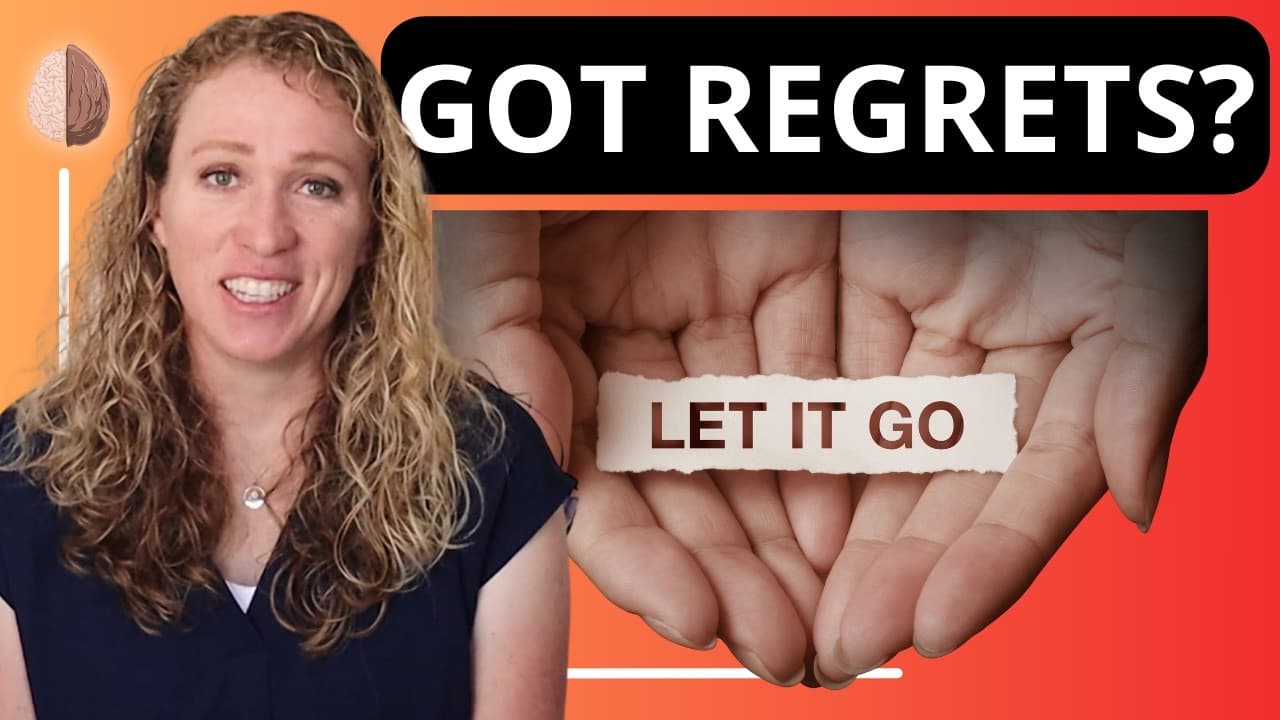
Regrets could be your worst enemy or your best friend. Regrets are like a hammer. They can hurt you, or you can use them to build the life that you want. In this video you're going to learn how to channel the emotional energy of regrets into building something you really care about. Now, I get asked all the time how to deal with regrets. A lot ... Read More
Key Insights
- Regret is a present signal, not just a memory, and it serves to realign behavior in the present moment.
- The key to using regret meaningfully is to write down and clarify exactly what was regretted and what positive value will guide future action.
- Values are directional, not destinations, so actions in the present should embody those values and move toward healthier patterns.
- Positive goals, not negative constraints, should be the compass for future choices, ensuring actions are concrete and actionable.
- Turning energy from regret into outward action requires identifying specific steps that stretch comfort zones and improve relationships.
- Healing the rift happens in the present moment, not by revisiting the past, through small, consistent acts aligned with values.
- Daily practice, like doing one hard thing each day, builds resilience and reduces rumination about past mistakes.
- Self-forgiveness and accountability go hand in hand; repair efforts and honest communication aid sustained progress and healthier self view.
- The metaphor of the hammer illustrates that the tool of regret can be useful when redirected toward constructive tasks rather than self blame.
- More videos from this channel:
- More from this channel: Therapy in a Nutshell
Install to Summarize YouTube Videos and Get Transcripts
Explore YouTube Video Summarizer or Get YouTube Transcript Extractor
Questions & Answers
Q: What is the core idea behind using regret as a force for good?
The core idea is that regret signals a misalignment between current actions and personal values. By recognizing regret in the present moment, you can choose actions that move you toward values such as courage, health, and connection. This reframes regret from paralyzing pain into proactive steps that build the life you want.
Q: How should you identify what you regret and why?
Start by writing down specific events you regret, such as missed opportunities or harmed relationships. Then identify the underlying values these regrets reveal, like adventure, communication, or self respect. This process creates a positive framework that guides future decisions rather than dwelling on the past.
Q: What does it mean that values are directional, not destinations?
Values being directional means they describe the ongoing way you choose to live, not a single outcome to achieve. For example, valuing healthy relationships guides ongoing actions like speaking up, setting boundaries, and offering support today, rather than waiting for a specific relationship milestone to arrive.
Q: What is the role of daily action in this approach?
Daily action translates values into concrete, present moment behaviors. By doing one hard thing each day, you expand your comfort zone and demonstrate commitment to your values. These repeated acts accumulate, reducing rumination and creating measurable progress toward a life aligned with your core beliefs.
Q: How can you heal relationships while letting go of past regrets?
Healing comes from present focused behavior such as apologizing when appropriate, repairing damage, and showing up with empathy. Communicating boundaries and needs clearly in real time helps rebuild trust, while maintaining a forward looking mindset ensures you don’t get stuck in past regret.
Q: Why is it important to set positive goals rather than merely avoiding regret?
Positive goals specify what you will do, not what you won’t do. This clarity motivates action and provides a roadmap for change. Focusing on constructive behaviors—like taking risks in line with your values—helps replace regret with deliberate, value driven progress.
Q: How can you apply this framework to avoid rumination about past mistakes?
By acknowledging regret as information, not as a fixed state, and by immediately choosing a value aligned action, you interrupt rumination. The practice of present moment alignment keeps attention on what you can influence now, rather than rehashing what happened in the past.
Q: What is a practical example of turning regret into action in daily life?
If you regret not asking someone out, write down the values involved, such as courage and connection, then take a concrete step today like initiating a conversation or inviting them to an event. This turns regret into a small, manageable act that builds confidence and moves you toward healthier relationship habits.
Summary & Key Takeaways
-
This summary explains how regrets are not merely past events but present signals that can guide action. By clarifying the regret, identifying core values, and acting in the present, you create a direction for your life rather than dwelling on what could have been. Daily small steps accumulate into meaningful change.
-
The approach emphasizes positive goal setting over negative avoidance. Instead of vowing not to regret, you define what you will do and how you will live in alignment with that value today. The energy from regret becomes momentum for growth and healthier behavior.
-
Practicing gradual exposure and compassionate self-forgiveness helps sustain progress. The strategy includes asking for support when needed, repairing damaged relationships, and showing up with courage in everyday situations, turning discomfort into a driver for lasting change.
Read in Other Languages (beta)
Share This Summary 📚
Summarize YouTube Videos and Get Video Transcripts with 1-Click
Try YouTube Summary with ChatGPT & Claude or YouTube Transcript Generator
Explore More Summaries from Therapy in a Nutshell 📚



Summarize YouTube Videos and Get Video Transcripts with 1-Click
Try YouTube Summary with ChatGPT & Claude or YouTube Transcript Generator