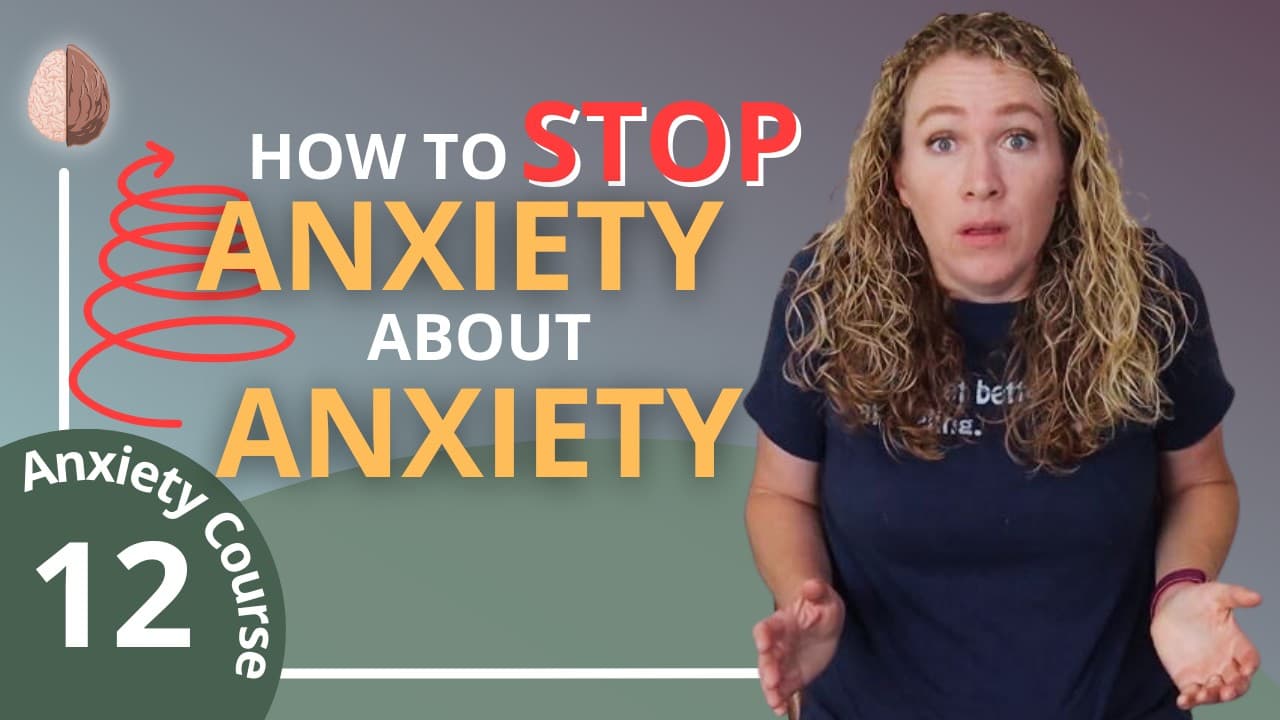
How to break the anxiety cycle and fear of anxiety
TL;DR
Fear of anxiety fuels more anxiety, but you can interrupt the cycle by accepting emotions, leaning in rather than avoiding them, and shifting attention between internal sensations and outward cues. Focus on what you care about, accept what you cannot control, and practice gentle pendulation to reduce overall anxiety over time.
Transcript
In this video you're going to learn about one modern lie that keeps you trapped in the anxiety cycle and how to interrupt the cycle of being anxious about anxiety. I'd like to thank BetterHelp for sponsoring this video and this whole course. Not only does BetterHelp make it super easy for you to find a licensed therapist in your area, they also... Read More
Key Insights
- Anxiety being dangerous is a belief that can be dropped.
- Lean in to your feelings instead of resisting them.
- Acceptance reduces the power of anxious thoughts.
- Pendulation helps shift attention between inside and outside sensations.
- Acceptance allows anxiety to be present without controlling actions.
- Focusing on values redirects energy from fear to meaningful action.
- You cannot control feelings, only your responses.
- Avoiding or forcing calm often worsens the anxiety cycle.
- More videos from this channel:
- More from this channel: Therapy in a Nutshell
Install to Summarize YouTube Videos and Get Transcripts
Explore YouTube Video Summarizer or Get YouTube Transcript Extractor
Questions & Answers
Q: How can I start breaking the anxiety cycle today?
Start by challenging the belief that anxiety is dangerous and that you must avoid it. Allow yourself to feel anxious and remind yourself that you can handle it. Lean in to the feeling, practice self compassion, and gradually shift your attention away from internal sensations toward external cues and your values. This sets the stage for reduced reactivity and more effective coping.
Q: What does leaning in to anxiety look like in practice?
Leaning in means acknowledging the feeling without judgment and with curiosity. You tell yourself that anxiety is present but not fatal, and you choose to continue with your activities. This reduces avoidance, lowers the spike in physiological arousal, and helps you maintain engagement with what you care about rather than spiraling into fear.
Q: What is pendulation and how does it help with anxiety?
Pendulation is the practice of alternating attention between internal sensations and outside stimuli. By gently moving focus, you prevent fixation on symptoms and gradually broaden your awareness. This approach reduces hyper focus on bodily signals, supports nervous system regulation, and makes it easier to carry on with daily tasks despite anxiety.
Q: Why is acceptance important for managing anxiety?
Acceptance reduces the need to control every sensation or thought, which paradoxically lowers the intensity of anxiety. When you accept that anxiety can be present without threatening your safety, you free cognitive resources to address real goals and activities. This helps diminish the overall anxious response over time.
Q: How can I use values to cope with anxiety during important tasks?
Shift attention back to what you care about when anxiety arises. Acknowledge the fear, then redirect energy toward performing the task with your best effort. This makes anxiety a driver for action rather than a disruptor, and it aligns your responses with your values rather than with avoidance.
Q: What should I do if I can’t sleep because of anxiety?
Accept that sleep may be disrupted and avoid forcing calm. If sleep does not come, get up and do something soothing for a short while, then return to bed. This reduces the pressure to sleep immediately, helping the body relax more naturally and eventually improving sleep quality.
Q: How does recognizing the fear of fear help reduce anxiety?
Recognizing that you fear the fear itself helps break the cycle of anticipatory anxiety. By labeling and observing the anxious response without judgment, you can choose actions aligned with your values. This breaks the chain of trying to control every sensation and improves emotional resilience.
Q: Can talking about anxiety with others help reduce it?
Yes, discussing anxiety with someone you trust can lessen the sense of isolation and provide a different perspective. Sharing your feelings helps you process sensations and thoughts, reduces the burden of anticipatory worry, and can strengthen relationships, which in turn supports emotional regulation and reduces overall anxiety.
Summary & Key Takeaways
-
The video explains that the common belief that anxiety is dangerous is a myth and accepting emotions reduces the urge to fight them, which helps break the cycle. It emphasizes leaning in to feelings rather than resisting them and using compassionate self talk to lessen fear.
-
A practical approach is described: acknowledge anxiety, pendulate attention between internal sensations and external stimuli, and redirect focus to values and meaningful tasks. This reduces overall anxiety and improves sleep and performance.
-
The speaker highlights that you cannot force feelings to change, but you can change how you respond. By embracing anxiety and prioritizing what matters, you can decrease the impact of anxiety on daily life and build resilience.
Read in Other Languages (beta)
Share This Summary 📚
Summarize YouTube Videos and Get Video Transcripts with 1-Click
Try YouTube Summary with ChatGPT & Claude or YouTube Transcript Generator
Explore More Summaries from Therapy in a Nutshell 📚




Summarize YouTube Videos and Get Video Transcripts with 1-Click
Try YouTube Summary with ChatGPT & Claude or YouTube Transcript Generator