How to cope with COVID fear and anxiety: therapist tips
TL;DR
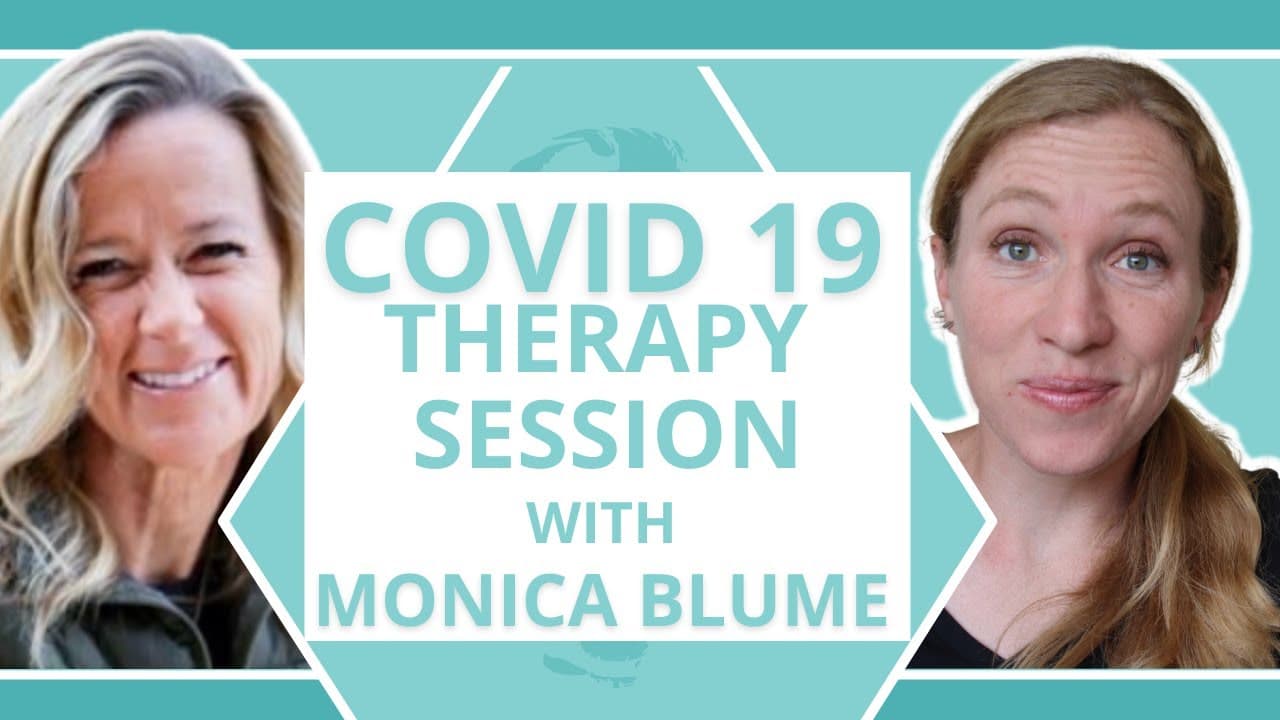
Fear during COVID is normal and manageable. The therapist emphasizes labeling feelings, accepting anxiety, using humor to regulate emotions, and practicing practical coping steps like planning and self care to endure the situation without being overwhelmed. It remains useful to separate what you can control from what you cannot and seek support when needed.
Transcript
(Monica) Well and I don't think you should say boss, (Emma) You don't want me to say boss, (Monica) No, colleague maybe. (Emma) Okay, alright, I'll be a little bit, I'll be a little bit, I knew you wouldn't like that, but I'm gonna talk about you for a second and you're gonna be flattered. (Monica) Well and again, I'm used to it. (Emma) Haha, ... Read More
Key Insights
- Anxiety during the COVID situation is a normal human response and not a sign of weakness, and recognizing this helps people cope without ashamed feelings.
- The core coping approach is to name and validate feelings, allowing space for worry while assessing actual risk before taking action.
- Humor is used as a healthful regulator of emotion when not used to dismiss others pain, enabling a lighter moment without harm.
- People are encouraged to focus on what they can control and to break tasks into manageable steps to reduce overwhelm.
- Loss of usual coping resources is real, so therapists guide clients to adapt routines and seek new supports within current constraints.
- Emotional intelligence includes experiencing multiple emotions at once, not just feeling anxious, which supports flexible coping strategies.
- The main fear for many clients shifts from immediate illness to consequences like job loss, homeschooling, and isolation, which require reframing and planning.
- A supportive therapeutic stance includes normalizing fear, providing reassurance, and offering practical tools to restore a sense of safety and agency.
- More videos from this channel:
- More from this channel: Therapy in a Nutshell
Install to Summarize YouTube Videos and Get Transcripts
Explore YouTube Video Summarizer or Get YouTube Transcript Extractor
Questions & Answers
Q: What should I tell clients about their anxiety during COVID
Explain that anxiety is a normal reaction to an abnormal situation and does not mean they are weak or failing to cope. Validate their feelings, allow for breaks when needed, and emphasize that feeling afraid is natural. Then guide them to assess real risk and plan small, controllable steps to manage symptoms and regain a sense of control.
Q: How can humor help during tough times while remaining respectful
Humor can be a healthy way to regulate emotions when used to ease tension without dismissing others pain. It helps people take a brief emotional break from distress and revisit the experience with greater clarity. The key is to ensure humor does not minimize the seriousness of others struggles.
Q: What is a practical first step for someone overwhelmed by fear
Begin by labeling and accepting the fear without judgment, then identify one small action you can take to reduce the sense of danger. This creates momentum and reduces the urge to catastrophize. Revisit this step regularly as new worries arise to maintain a sense of agency.
Q: Why is it important to acknowledge what you can and cannot control
Focusing on controllable factors reduces helplessness and refines coping efforts. It helps people distinguish between actions that can ease anxiety, such as maintaining routines or communicating needs, and external outcomes that remain uncertain. This distinction fosters proactive behavior rather than paralysis.
Q: What should people do when external resources feel unavailable
Adapt by building new routines and seeking alternative supports within current constraints. This may involve virtual connections, home based activities, and structured schedules. The aim is to preserve a sense of normalcy, maintain social contact, and sustain emotional regulation despite isolation.
Q: How can emotional intelligence aid coping with multiple feelings
Emotional intelligence means allowing multiple emotions to co exist, rather than forcing a single mood. Recognize fear while also acknowledging calm or hope, which enables flexible strategies. This capacity to hold diverse feelings supports balanced decision making and resilience under stress.
Q: What secondary pandemic effects are most impactful on mental health
Secondary effects include disrupted work, homeschooling, isolation from friends, and changes in intimate relationships. These factors can intensify stress and anxiety more than the immediate health threat. Addressing them with practical plans, social connection, and supportive therapy helps reduce overall distress.
Q: What is the therapist approach to fear during the session
The approach centers on normalizing fear, validating emotions, and guiding clients through practical coping mechanisms. It involves using storytelling and personal examples, like rollerblading metaphors, to illustrate fear management and to encourage courage without ignoring pain. The goal is to empower clients to face fear with informed action.
Summary & Key Takeaways
-
The video explains that anxiety during the COVID pandemic is a normal response and does not indicate weakness, encouraging clients to acknowledge their feelings and take appropriate breaks when needed. It highlights that humor can help regulate intense emotions without disrespecting others’ pain, fostering emotional resilience.
-
Therapist Monica Blume discusses practical coping strategies such as normalizing fear, identifying what is within one’s control, and using supportive routines that replace lost external resources like social activities. The narrative blends clinical guidance with relatable personal anecdotes to illustrate resilience.
-
The conversation stresses that the secondary effects of the pandemic are often more impactful than the immediate threat, including changes in work, routines, and family dynamics. It advocates a balanced approach that combines acceptance, humor, and proactive problem solving to maintain mental health.
Read in Other Languages (beta)
Share This Summary 📚
Summarize YouTube Videos and Get Video Transcripts with 1-Click
Try YouTube Summary with ChatGPT & Claude or YouTube Transcript Generator
Explore More Summaries from Therapy in a Nutshell 📚


Summarize YouTube Videos and Get Video Transcripts with 1-Click
Try YouTube Summary with ChatGPT & Claude or YouTube Transcript Generator