How to influence your feelings without letting them control you
TL;DR
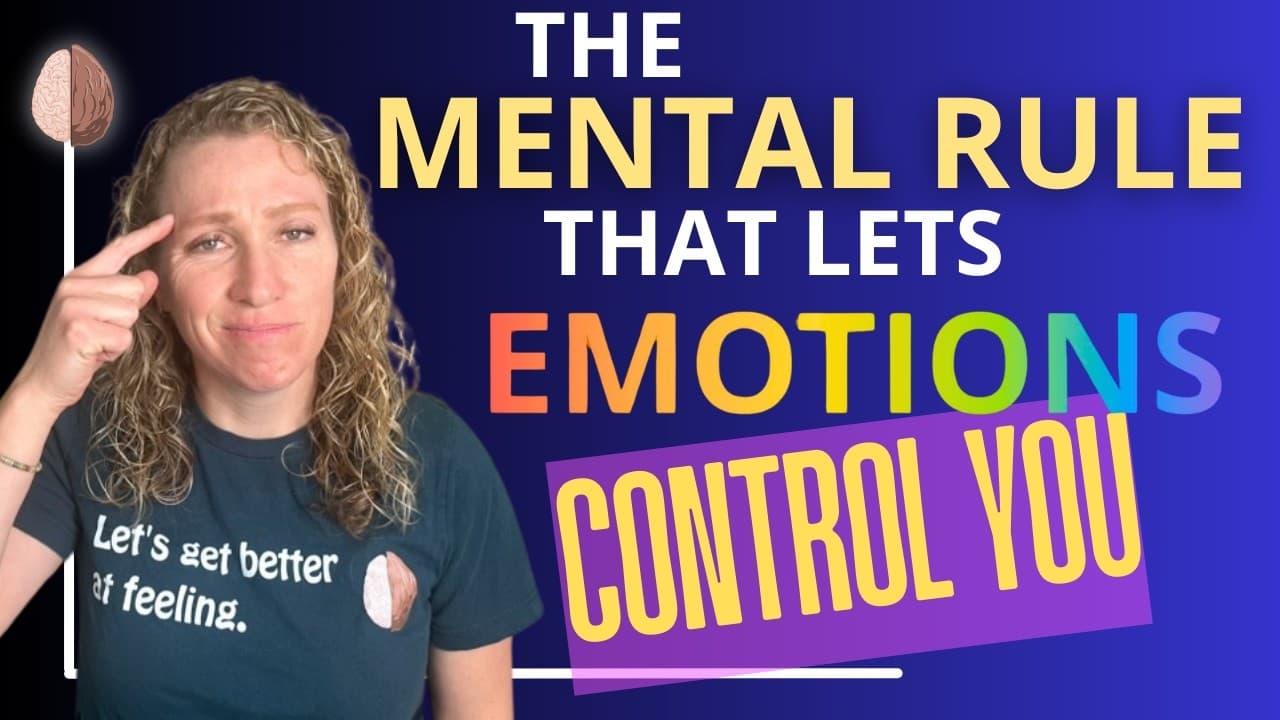
The central idea is to replace a mental rule that demands you must control all emotions with a rule that you can influence them without total mastery. Emotions have function and avoiding them often backfires. You should act with love, connection, and values even when emotions are difficult, building resilience over time.
Transcript
Here's the sneaky mental rule that lets your emotions control you. I heard a man say that in 30 years, he never missed watching a BYU football game with his dad. But his father died two years ago, and he said, "I haven't been able to get myself to go since then." And as I listened, I realized that what he really meant was, I haven't been able t... Read More
Key Insights
- Emotions being controlled is a rule that often leads to avoidance and life restriction.
- The old rule of total emotional control is challenged by the idea that you can influence, not suppress, feelings.
- Avoidance tactics to prevent feeling emotions typically backfire and reduce life quality.
- Relationships, risk, and funerals illustrate how avoidance harms connection and growth.
- The paradoxical method shows you can act despite anxiety or fear by choosing based on values.
- Boundaries can be set without suppressing feelings or becoming numb.
- Worry, anxiety, and panic can be managed through deliberate, constructive actions.
- Strong people cultivate the skill to feel deeply while still pursuing goals and living fully.
- More videos from this channel:
- More from this channel: Therapy in a Nutshell
Install to Summarize YouTube Videos and Get Transcripts
Explore YouTube Video Summarizer or Get YouTube Transcript Extractor
Questions & Answers
Q: How can I influence my emotions instead of letting them control me
Influencing emotions means recognizing their function and choosing actions aligned with your values and relationships, even when feelings are uncomfortable. Start by small, deliberate steps that keep you moving toward what you want in life, like attending a necessary event or maintaining a boundary without numbness. Over time, this builds resilience and reduces the power of emotions to derail you.
Q: Why is trying to avoid negative emotions counterproductive
Avoidance limits life by restricting activities and relationships you care about. Negative feelings signal what matters, and when you try to shield yourself from them you miss opportunities for connection and growth. Instead, you learn to tolerate discomfort while acting according to your goals and values, which strengthens long term well being.
Q: What does it mean to rebuild the rule, I can influence my feelings but I can’t control them
It means accepting that feelings arise automatically but choosing actions that reflect your priorities. You permit yourself to feel, observe the emotion, and proceed with decisions that align with love, connection, and living meaningfully. This shift reduces avoidance and increases agency in daily life.
Q: How can I handle anxiety about going to places or events
Face it gradually with exposure, while using practical strategies like scheduled worry and affirmations. Choose to go despite anxious feelings, focusing on the value of the experience and the relationships involved. This approach reduces the fear’s grip over time and expands your willingness to engage with life.
Q: What role do boundaries play in emotional regulation
Boundaries protect your well being while still allowing emotion. The key is setting clear limits without numbness or anger, which enables honest communication and healthier relationships. Boundaries become tools to live with intention, not walls that suppress authentic feeling.
Q: How should one respond to difficult funerals or grief moments
Attend and participate without trying to suppress tears. Grief signals love and connection, and expressing it honors the person and sustains your relationships. Allowing emotion in these moments reinforces the positive aspects of love and helps you integrate loss into your life.
Q: Can strong people still feel fear or sadness and act effectively
Yes, they acknowledge difficult feelings but do not let them hijack decisions. They use strategies to regulate and channel emotions into purposeful action. This enables continuing important life activities, maintaining commitments, and building resilience despite emotional discomfort.
Q: What practical steps build trust in handling feelings
Develop a routine that includes mindfulness, scheduled worry, and positive affirmations, plus building a support network. Practice living a values-based life, face challenging situations, and gradually increase exposure to uncomfortable scenarios. These steps cultivate confidence in your ability to manage emotions effectively.
Summary & Key Takeaways
-
The video argues that trying to control emotions leads to avoidance and limits life, while true strength comes from embracing feelings and choosing actions based on values and connection. It emphasizes that emotions serve a purpose and cannot be completely suppressed. Practical strategies include scheduled worry, affirmations, and building supportive networks.
-
The speaker uses examples from a BYU football fan and others to illustrate how avoidance defeats opportunities for growth. He stresses that meaningful relationships require vulnerability and that boundaries can be set without numbness or anger. The overall message is to live richly by feeling and acting in spite of feelings.
-
The guidance centers on replacing the old rule of emotional control with a new rule: influence without domination. It highlights practical steps such as facing fear, allowing sadness, and continuing to engage in life while cultivating trust in one’s ability to handle feelings.
Read in Other Languages (beta)
Share This Summary 📚
Summarize YouTube Videos and Get Video Transcripts with 1-Click
Try YouTube Summary with ChatGPT & Claude or YouTube Transcript Generator
Explore More Summaries from Therapy in a Nutshell 📚


Summarize YouTube Videos and Get Video Transcripts with 1-Click
Try YouTube Summary with ChatGPT & Claude or YouTube Transcript Generator