How to Overcome Severe Anxiety and Panic Attacks
TL;DR
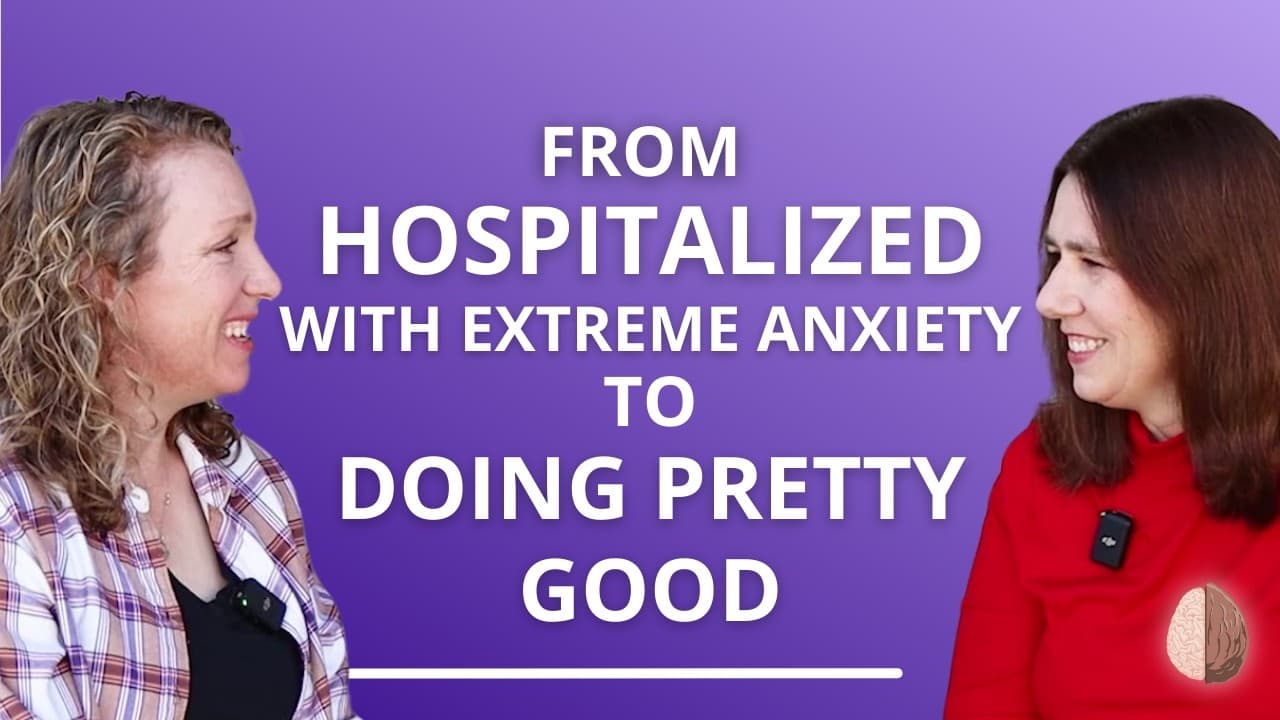
Saying yes to life and getting out of bed are the first steps to recovery. Walking outdoors, accepting support, and using defusion phrases help reduce anxiety over time, while structured worry time and writing exercises turn fears into manageable tasks. Small, consistent actions create lasting relief.
Transcript
You want to hear all the things I tried? I've tried EMDR, ketamine, CBD oil, energy healing, dozens of medications, I've had about half a dozen therapists, neuro feedback, I've been in two inpatient programs that were kind of like a rehab for people with mental health issues, I've been hospitalized, I had shock therapy (and I was like I can't be... Read More
Key Insights
- Saying yes to life reduces avoidance and expands daily activity.
- Getting out of bed and into routine breaks cycles of withdrawal.
- Morning outdoor walks improve mood and energy for the day.
- Defusion phrases help separate thoughts from actions and reduce rumination.
- Scheduling worry time creates a dedicated space to process concerns.
- Writing exercises Wins, Wishes, Whats helps articulate goals and progress.
- Active support networks provide emotional and practical relief during recovery.
- Consistency in small steps builds resilience and functional improvement.
- More videos from this channel:
- More from this channel: Therapy in a Nutshell
Install to Summarize YouTube Videos and Get Transcripts
Explore YouTube Video Summarizer or Get YouTube Transcript Extractor
Questions & Answers
Q: How can saying yes to life help with anxiety
Saying yes to life introduces willingness to engage with daily activities despite anxious feelings. It shifts focus from constant worry to practical steps, leading to increased exposure to normal routines such as walking, showering, and social interaction. Over time this reduces avoidance, strengthens coping muscles, and fosters a sense of progress and control.
Q: What role does getting out of bed play in recovery
Getting out of bed disrupts a costly cycle of inactivity and rumination. Establishing a routine like a morning call, shower, or a walk helps anchor the day, providing structure and a sense of accomplishment. This early momentum combats fatigue and anxiety, making later coping strategies more accessible.
Q: Why is walking outside important for anxiety
Walking outside blends physical movement with environmental cues that calm the nervous system. Regular outdoor activity supports mood regulation, reduces restlessness, and improves concentration. For someone with anxiety, this simple habit can become a reliable foundation for broader treatment steps and personal resilience.
Q: How do defusion phrases help with worry
Defusion phrases are used to create distance from anxious thoughts. By acknowledging thoughts without letting them drive actions, one can reduce rumination and impulsive reactions. This cognitive tool supports calmer decision making and makes it easier to engage in therapeutic strategies without being overwhelmed by fear.
Q: What is the purpose of scheduling worry time
Scheduling worry time allocates a fixed period to confront concerns, preventing worry from spilling into all moments. This practice creates psychological space during the day for problem solving and reflection, reducing the urgency of anxious thoughts outside the set window and lowering overall anxiety by normalizing worry as a controllable activity.
Q: How does writing exercises Wins, Wishes, Whats help
Writing exercises Wins, Wishes, Whats translate abstract anxiety into concrete goals and outcomes. Wins capture successes, Wishes express desired changes, and Whats outline concrete steps to achieve goals. This routine clarifies priorities, reinforces progress, and provides a structured method to transform fear into actionable planning.
Q: What support strategies are highlighted for anxiety recovery
Support strategies include family involvement, professional guidance, and community resources. Regular contact, practical help, and encouragement reduce isolation and provide accountability. A supportive network helps sustain motivation, ensures adherence to routines like morning walks, and offers perspective during tough periods.
Q: What is the overall takeaway for managing severe anxiety
The overall takeaway is that consistency with small, manageable actions and strong support networks can gradually rebuild functioning. Recovery comes from repeated, practical steps such as getting out of bed, walking, using defusion techniques, scheduling worry, and writing exercises, which together reduce the grip of anxiety over time.
Summary & Key Takeaways
-
A story of gradual improvement shows that simple daily adaptations can cut through years of intense anxiety. The speaker describes a path from severe insomnia and appetite changes to regained function through a mix of practical steps and social support. The emphasis is on persistence, not magic.
-
The narrative highlights how establishing routines, like morning walks and scheduled worry time, can help reorganize a overwhelmed mind. It also underlines the importance of saying yes to life and accepting help as a catalyst for ongoing progress.
-
The video concludes with practical tools such as defusion phrases and writing exercises that translate anxious thoughts into concrete actions, demonstrating that recovery often comes from small, repeatable habits rather than single transformative events.
Read in Other Languages (beta)
Share This Summary 📚
Summarize YouTube Videos and Get Video Transcripts with 1-Click
Try YouTube Summary with ChatGPT & Claude or YouTube Transcript Generator
Explore More Summaries from Therapy in a Nutshell 📚



Summarize YouTube Videos and Get Video Transcripts with 1-Click
Try YouTube Summary with ChatGPT & Claude or YouTube Transcript Generator