How to reduce social anxiety post pandemic fast
TL;DR
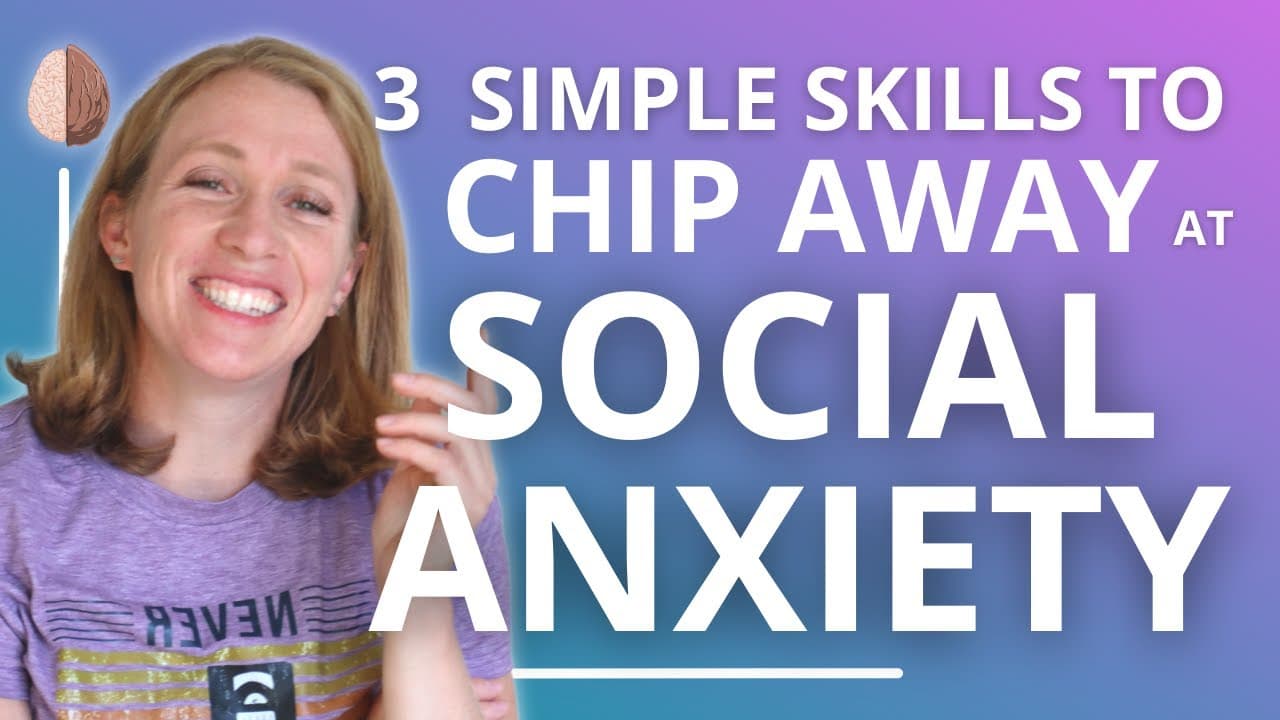
Neuroplasticity makes your brain adaptable to social situations, so increasing exposure to social interactions can lower anxiety over time. Start by practicing willingness to feel uncomfortable, rewrite avoidant rules, and shift focus from yourself to others using cognitive diffusion to manage anxious thoughts.
Transcript
Hi, everyone. I'm Emma McAdam. I'm a licensed marriage and family therapist, and I make mental-health education videos. Today we're going to be talking about social anxiety. Now, more people are feeling social anxiety than ever. The World Health Organization recently released a report stating that the COVID-19 pandemic led to a 25% increase in ... Read More
Key Insights
- Neuroplasticity is the brain’s ability to adapt to new social realities, including post pandemic life.
- Exposure to social interactions strengthens the brain toward being more comfortable in social settings.
- Willingness involves choosing to feel emotions even when uncomfortable, which reduces avoidance and builds resilience.
- Reframing anxiety as a normal, manageable feeling lowers its perceived threat and allows action.
- Shifting focus from self to others reduces self monitoring and increases natural social engagement.
- Cognitive diffusion helps detach from anxious thoughts by labeling them and moving attention elsewhere.
- Changing internal rules to accept feelings enables pursuit of meaningful social activities despite discomfort.
- Practicing small, gradual social steps expands the social comfort zone over time.
- More videos from this channel:
- More from this channel: Therapy in a Nutshell
Install to Summarize YouTube Videos and Get Transcripts
Explore YouTube Video Summarizer or Get YouTube Transcript Extractor
Questions & Answers
Q: How can neuroplasticity help me overcome social anxiety after the pandemic
Neuroplasticity is the brain’s ability to adapt to new conditions, including increased social exposure after a period of isolation. By intentionally practicing social interactions, you signal your brain that social settings are safe, which downshifts anxiety over time. Consistent effort retrains neural pathways to respond with less fear, making future social encounters feel more manageable and less draining.
Q: What is the first step to retraining my brain for social situations
The first step is recognizing that neuroplasticity can work for you and that the brain will adapt as you reintroduce social interactions. Begin with small, manageable social activities and commit to regular practice. As you repeatedly engage, your brain adjusts, increasing comfort levels and reducing the intensity of anxious responses in similar situations.
Q: How does willingness help reduce social anxiety
Willingness means allowing yourself to feel anxiety without letting it stop you from engaging in life. By choosing to feel uncomfortable and still participate in social activities, you send a message to your brain that you can tolerate distress. This practice gradually lowers the averting behavior that maintains high anxiety levels and builds resilience for future scenarios.
Q: What should I do instead of avoiding anxiety in social events
Instead of avoiding anxiety, acknowledge the emotion and proceed with plans. For example, tell yourself that going to a party will bring a mix of emotions, including anxiety, and that you can handle both the feelings and the activities. This approach reduces the power of anxiety and keeps you connected to important relationships.
Q: How can I manage negative self talk after a social event
After a social event, you may dwell on negative thoughts about yourself. Use cognitive diffusion by labeling the thought, such as saying I am having the thought that I am an idiot, and then redirect your attention to something constructive or grounding. This prevents rumination and helps you maintain perspective.
Q: What are cognitive distortions I should watch out for in social settings
Common distortions include thinking everyone is judging you or that you are the center of attention. Most people are focused on themselves, not you. Recognize these distortions, shift attention to others’ experiences, and ask open questions to learn about them, which improves connection and reduces self critical thinking.
Q: How can I shift my focus during a conversation to reduce anxiety
During conversations, shift attention to the other person’s experiences and interests rather than monitoring your own behavior. Asking questions like What are you excited about this week? or What do you care about lately can keep the interaction flowing, lessen self focus, and increase genuine engagement, which helps anxiety fade over time.
Q: What is a practical routine to build social confidence
Create a coping and self care routine that includes identifying triggering situations, practicing controlled exposure, and using strategies to calm the stress response. Build a personal list of coping skills for different social contexts, which empowers you to handle emotions without losing control and progressively reduces social anxiety across settings.
Summary & Key Takeaways
-
Neuroplasticity is the brain mechanism that allows anxiety levels to adjust as you experience more social interaction, making it a natural ally in reducing post pandemic social anxiety.
-
Practice putting yourself out there to expand your comfort zone, which signals the brain that social situations are safe, thereby gradually reducing anxiety.
-
Cognitive techniques like shifting attention to others and labeling anxious thoughts help you manage social anxiety without being overwhelmed by negative self talk.
Read in Other Languages (beta)
Share This Summary 📚
Summarize YouTube Videos and Get Video Transcripts with 1-Click
Try YouTube Summary with ChatGPT & Claude or YouTube Transcript Generator
Explore More Summaries from Therapy in a Nutshell 📚




Summarize YouTube Videos and Get Video Transcripts with 1-Click
Try YouTube Summary with ChatGPT & Claude or YouTube Transcript Generator