How to Stop Panic Attacks: Break the Anxiety Cycle
TL;DR
Panic attacks are stopped by changing your relationship with anxiety, not by forcing yourself to calm down. A trigger is any sensation that raises anxiety, but the real cause is judging that anxiety as dangerous and trying to suppress it. That struggle tells your brain anxiety is a threat, feeding a self-reinforcing loop.
Transcript
In this video you're going to learn how to stop having panic attacks. You'll learn what you're doing that makes them come back. You'll learn the difference between a trigger and the real cause of panic attacks, and then you'll learn three steps to stop panic attacks from coming back. But first let me tell you about Steve. Steve learned to stop ... Read More
Key Insights
- A panic attack is anxiety about anxiety. It is being afraid of feeling anxiety, a self-feeding loop where fear of the bodily sensations of anxiety generates more of those very sensations.
- The trigger and the cause are different things. A trigger is any event, sensation, or feeling your body interprets as dangerous, but the cause is what happens next: worrying about and judging that anxiety as bad.
- The cause of panic attacks is your relationship with anxiety, which you control. Labeling anxiety as bad, dangerous, or unacceptable is the step that turns a passing sensation into a full panic attack.
- Trying to force fear away is the one thing that feeds it. Clenching down on anxiety, avoiding it, or controlling it sends your brain the message that the sensation is genuinely dangerous.
- The cycle runs through brain chemistry: the amygdala sends a danger signal, triggering fight/flight/freeze, which releases adrenaline and cortisol, worsening physical symptoms that get reinterpreted as danger, escalating until full panic.
- It is impossible to deliberately try to have a panic attack, because attempting one shows your brain it is not dangerous, and that immediately stops the cycle.
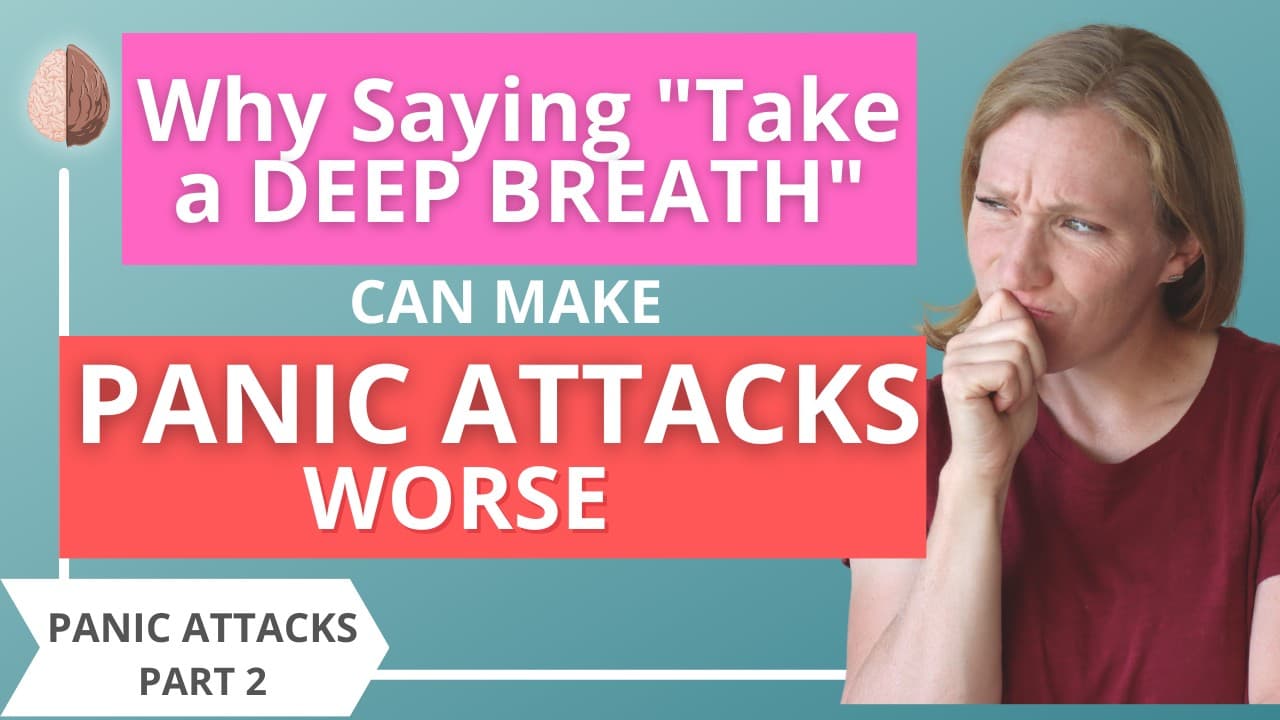
- Common advice to just calm down, take deep breaths, and slow your heart is counterproductive. Trying to force yourself to calm down is itself one of the things that triggers panic attacks.
- Steve's case shows origins matter. Growing up in an abusive home where emotions were shamed and punished taught him emotions were dangerous, so when medical changes deepened his sensitivity, buried feelings surfaced as panic.
Install to Summarize YouTube Videos and Get Transcripts
Explore YouTube Video Summarizer or Get YouTube Transcript Extractor
Questions & Answers
Q: What is the difference between a trigger and the cause of a panic attack?
A trigger is any event, sensation, or feeling that takes your anxiety up a bit, anything you or your body interprets as dangerous, such as a pounding heart, a queasy stomach, or a reminder of your past like a performance review. The cause is what happens next: worrying about the anxiety and judging that sensation as bad, dangerous, or unacceptable. The cause is your relationship with anxiety, which you are in control of, not the initial trigger itself.
Q: Why do panic attacks keep coming back?
Panic attacks recur because you develop a reflex of getting anxious about your own anxiety, especially the bodily sensations of anxiety. This leads your brain to constantly scan for any signs of anxiety and respond with a huge stress chemical dump when it finds any symptoms. Because each panic experience is so awful, it verifies to your brain that anxiety really was dangerous, so the brain overreacts to future signs with more panic attacks. This self-reinforcing loop is the panic attack cycle.
Q: Why does trying to calm down make a panic attack worse?
Trying to force yourself to calm down is one of the things that triggers panic attacks. When you try to make anxiety go away, you worry more about your physical sensations, and the more you worry about them, the worse they get. Forcing, avoiding, and controlling fear sends your brain the message that the sensation is actually dangerous. Anxiety is a form of fear, and running from fear or fighting fear with fear just accelerates and fuels it rather than resolving it.
Q: What happens in the brain during the panic attack cycle?
The amygdala sends a danger signal, which turns up the fight/flight/freeze response. That response triggers more adrenaline and cortisol, which makes you feel more physical symptoms of anxiety. Your brain interprets those symptoms as dangerous, which heightens the fight/flight/freeze response even further, and the loop continues escalating until your brain and body are in full-on panic mode. This usually continues until you are exhausted, after which your brain concludes anxiety was genuinely dangerous.
Q: What is a panic attack, really?
According to the video, panic is all about feeling in danger when you are actually safe. A panic attack is anxiety about anxiety. It is being afraid of feeling anxiety, a loop that feeds itself. It is often triggered by a physical sensation such as a pounding heart or a queasy stomach, but it becomes a panic attack when you judge and label that anxiety as bad, dangerous, or unacceptable and then try to force the feeling away.
Q: Why can't you deliberately give yourself a panic attack?
It is impossible to try to have a panic attack, because if you try to have one you show your brain that it is not dangerous, and that immediately stops the cycle. The entire mechanism of panic depends on believing that anxiety and its sensations are threatening. Deliberately trying to bring one on removes the fear and the resistance that fuel the loop, which is why intentionally leaning into the sensation, rather than fighting it, undermines the whole panic attack cycle.
Q: How did Steve's childhood contribute to his panic attacks?
Steve grew up with an abusive father and an enabling mother in a home where fear was abundant and emotions were unacceptable. He was shamed or punished for feeling any emotion, so he learned that emotions were dangerous and meant you were weak. He coped by being tough, hiding feelings, and covering them with anger. Later in life, a loving marriage, serious medical issues, and deepened emotional sensitivity meant he could no longer bury his emotions, and the more he felt, the more scared he became, producing repeated panic attacks.
Q: Why does society make anxiety harder to deal with?
Even if you did not grow up in an abusive home, society sends the message that anxiety is dangerous and something to be feared rather than a normal emotion you can have a healthy relationship with. Much of the advice out there says to just calm yourself down, take deep breaths, and slow your heart rate to fix a panic attack. But because trying to force yourself to calm down actually triggers panic attacks, this common cultural messaging reinforces the reflex of fearing your own anxiety and keeps people stuck in the cycle.
Summary & Key Takeaways
-
The video promises three things: what you are doing that makes panic attacks return, the difference between a trigger and the real cause, and three steps to stop them. It uses a client named Steve, a blue-collar worker who repeatedly broke down at church, the store, and even in therapy.
-
Panic is feeling in danger when you are actually safe. A trigger, like a pounding heart or queasy stomach, raises anxiety, but the cause is worrying about that anxiety and judging it as bad. Trying to force the feelings down accidentally tells your brain the sensation is dangerous.
-
Chronic panic attacks develop from a reflex of getting anxious about your own anxiety, especially bodily sensations. The brain then constantly scans for signs of anxiety and dumps stress chemicals when it finds any. This is the panic attack cycle, and the good news is that it can be reversed.
Read in Other Languages (beta)
Share This Summary 📚
Summarize YouTube Videos and Get Video Transcripts with 1-Click
Try YouTube Summary with ChatGPT & Claude or YouTube Transcript Generator
Explore More Summaries from Therapy in a Nutshell 📚

Summarize YouTube Videos and Get Video Transcripts with 1-Click
Try YouTube Summary with ChatGPT & Claude or YouTube Transcript Generator