How to Grow Watch Time With Existing Videos
TL;DR
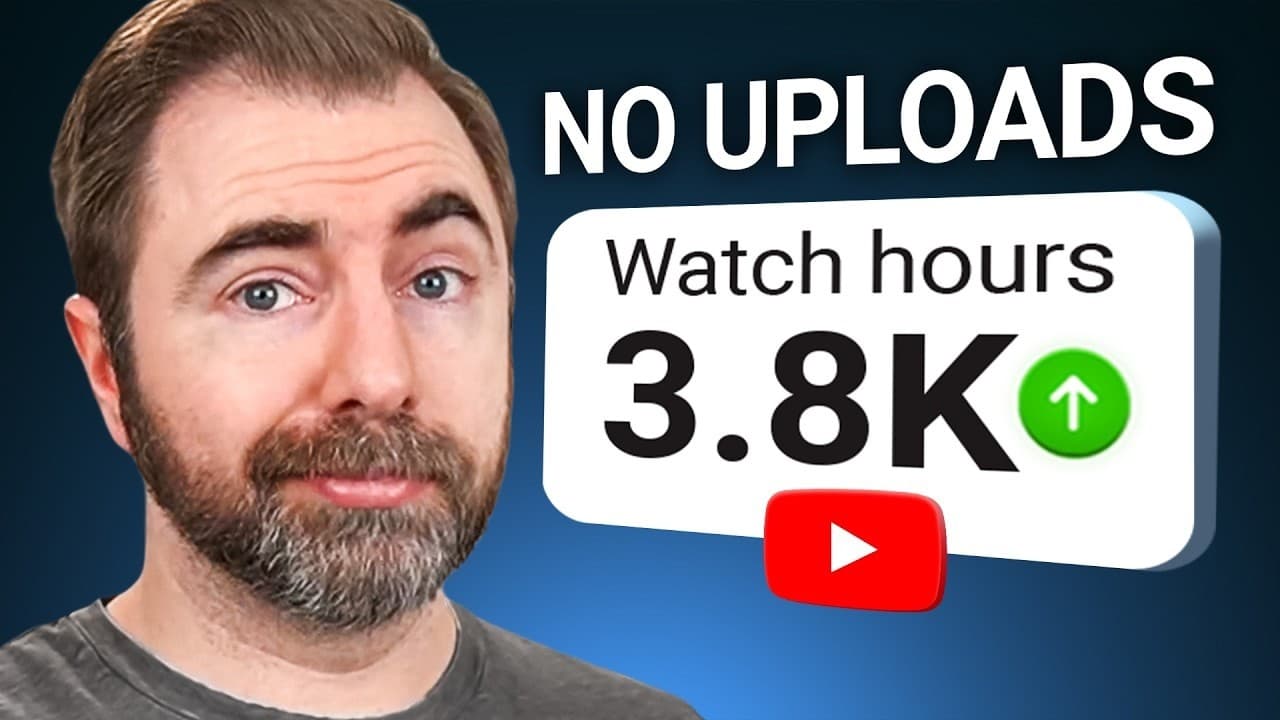
Increase watch time by improving the packaging and viewing path of videos that already attract impressions and retain viewers. Identify promising older videos with low click-through rates, test distinctly different titles or thumbnails, and use relevant end-screen recommendations to move engaged viewers toward the next logical video on your channel.
Transcript
What if I told you it was possible to double your watch time without actually uploading any new videos and instead all you'd have to do is go over your current content library? Well, that's exactly what we're covering today. The thing is, your watch time starts before somebody even clicks on your video and of course while they're watching your vide... Read More
Key Insights
- A video's watch-time opportunity begins before the click, continues throughout viewing, and extends beyond the ending. Creators cannot replace the contents of an uploaded video, but they can improve its title, thumbnail, and the path viewers follow afterward.
- An almost winner is an older video that receives meaningful impressions and holds the attention of people who click, yet has a relatively low click-through rate. Poor click-through rate combined with poor engagement does not indicate a hidden opportunity worth repackaging.
- A useful content audit compares thumbnail impressions, thumbnail click-through rate, average view duration, and watch time. The analytics date range should be wide enough to give older uploads a fair sample, with the last 365 days offered as a starting point.
- Average view duration is meaningful only when compared with videos of a similar length on the same channel. A 12-minute tutorial and a 40-minute documentary should not be evaluated against the same universal duration standard.
- Click-through rate often declines as impressions increase because a video reaches broader audiences. A video receiving 10 times more impressions than other uploads therefore requires careful evaluation before its packaging is changed solely because its click-through rate appears lower.
- YouTube's A/B testing can compare three titles, three thumbnails, or combinations on older as well as new videos. The evaluation considers the watch time generated by each package, rather than relying only on the percentage of impressions that becomes views.
- A strong three-version title test uses the existing title as the control, an outcome-focused alternative, and a tension-focused alternative. Each package should communicate a distinctly different reason to watch instead of making minor cosmetic or wording changes.
- A relevant end-screen recommendation extends a viewer's session by answering the next logical question. The best destination is connected to the topic and final thought of the current video, rather than simply being the channel's most popular upload.
- More videos from this channel:
- More from this channel: vidIQ
Install to Summarize YouTube Videos and Get Transcripts
Explore YouTube Video Summarizer or Get YouTube Transcript Extractor
Questions & Answers
Q: How can I increase YouTube watch time without uploading new videos?
Audit the existing content library for videos that already receive meaningful impressions and retain viewers well but have relatively low click-through rates. Improve the selected video's title or thumbnail through A/B testing, then connect its end screen to a closely related follow-up video. These changes can generate more viewing from traffic the channel is already receiving.
Q: How do I find an older YouTube video worth repackaging?
Open YouTube Studio analytics, use a broad date range such as the last 365 days, select video content, and enter advanced mode. Compare impressions, click-through rate, average view duration, and watch time for each upload. The strongest candidate receives meaningful impressions, has healthy view duration relative to similar-length videos, and has packaging that does not clearly communicate a compelling reason to watch.
Q: Which YouTube analytics metrics should I compare when auditing old videos?
Place thumbnail impressions, thumbnail click-through rate, average view duration, and watch time next to each other, then change the breakdown to content so each video appears separately. Impressions show whether the video is being presented to viewers, click-through rate evaluates its packaging, and view duration helps determine whether people who click remain engaged with the content.
Q: Why should average view duration be compared by video length?
Average view duration should be judged relative to other videos on the same channel that have a similar length. A 12-minute tutorial and a 40-minute documentary create different viewing expectations, so applying one universal number would distort the comparison. The goal is to identify content that retains viewers healthily within an appropriate group of comparable uploads.
Q: How should I A/B test titles on an older YouTube video?
Test three distinctly different title approaches. Keep the current title as version A so it functions as the control. Make version B state the result or change viewers can achieve, and make version C emphasize the problem or tension addressed by the content. Distinct approaches provide more useful evidence than small wording changes that communicate essentially the same idea.
Q: Should I test a YouTube title and thumbnail at the same time?
Testing a title or a thumbnail separately makes the result easier to interpret. If both elements change together, the winning combination does not reveal whether the title's promise or the thumbnail's visual treatment caused the improvement. YouTube can test titles, thumbnails, or combinations, but isolating one element provides clearer information that can guide future packaging decisions.
Q: How much watch time can a higher click-through rate produce?
The example describes an older video receiving 100,000 monthly impressions, a 4% click-through rate, and a five-minute average view duration. Those impressions produce about 333 watch hours. If accurate new packaging raises the click-through rate to 8% while view duration remains stable, the same impressions produce 667 hours, approximately twice the watch time without changing the video.
Q: What video should I recommend on a YouTube end screen?
Recommend the next logical video for someone who completed the current topic. A viewer reaching the end is already interested in that specific subject, so a related follow-up is more suitable than automatically choosing the channel's most popular upload. Ideally, the recommendation should continue the closing thought, answer a frequent related question, or address the viewer's probable next step.
Summary & Key Takeaways
-
Start by auditing older videos in YouTube Studio over a broad date range, such as the last 365 days. Compare impressions, click-through rate, average view duration, and watch time by individual video. Look for an almost winner that receives meaningful impressions and keeps viewers engaged but attracts relatively few clicks.
-
Run an A/B test on the selected video's packaging. Keep the current version as the control, create one alternative that names the viewer's desired outcome, and create another that emphasizes the problem or tension. Test titles or thumbnails separately so the result reveals which specific change produced the improvement.
-
Improve what happens after the video by directing viewers to the next logical piece of related content. Match the end-screen recommendation to the subject and closing thought of the current video instead of automatically promoting the channel's most popular upload. This creates a clearer path through the existing content library.
Read in Other Languages (beta)
Share This Summary 📚
Summarize YouTube Videos and Get Video Transcripts with 1-Click
Try YouTube Summary with ChatGPT & Claude or YouTube Transcript Generator
Explore More Summaries from vidIQ 📚
Summarize YouTube Videos and Get Video Transcripts with 1-Click
Try YouTube Summary with ChatGPT & Claude or YouTube Transcript Generator