How to Align YouTube Titles, Thumbnails, and Hooks
TL;DR
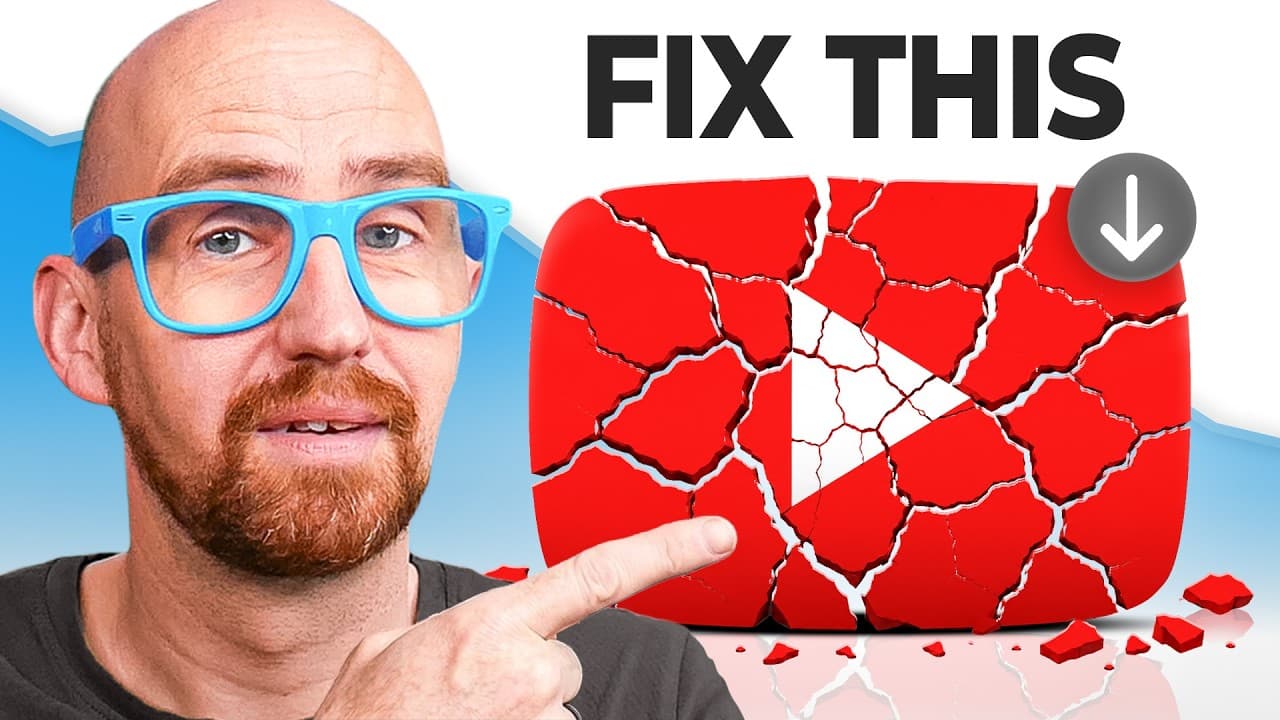
Align your title, thumbnail, and opening so they communicate and begin delivering the same clear promise. Let the title provide context, let the thumbnail add visual evidence or appeal, and use the first 10–20 seconds to confirm that viewers will receive what the packaging offered. Before publishing, test clarity, alignment, two-second recognition, and delivery.
Transcript
So the video you just published to YouTube could be brilliant, but the one thing that will always break its chances of success are the promises you make to the viewer that you fail to keep. So if your title and your thumbnail and the first few seconds of your video aren't making these same promises, nor are they delivering on them, you've got a mis... Read More
Key Insights
- A video's packaging is a promise created by its title, thumbnail, and opening. If these elements communicate different expectations or the opening fails to advance what attracted the click, viewers may ignore the video or leave after selecting it.
- Redundant packaging wastes valuable attention because the title and thumbnail provide two separate opportunities to influence a scrolling viewer. Instead of repeating identical words, the thumbnail should add visual evidence, such as a result or transformation, that strengthens the title's idea.
- Viewer value is more persuasive than a basic subject description. Packaging should answer why someone should care and identify what the video offers that competing videos do not, such as a recognizable host, an unusual outcome, or compelling evidence of a promised result.
- A title should express one clear promise without depending on the thumbnail. Creators can test this by covering the image, reading only the title, and writing its promise in one sentence that a stranger could understand and repeat without additional context.
- A thumbnail should reinforce the title while contributing information that words cannot communicate as quickly. If the thumbnail suggests a different story, its image or text should be changed until both elements direct the viewer toward the same expected outcome.
- Two-second recognition is a practical test for complete video packaging. When the title and thumbnail are viewed together briefly, a person should be able to identify what the video is about without looking again. If not, the package should be simplified.
- The first 10–20 seconds should immediately deliver or advance the packaging's promise. A relevant result, proof point, or preview can reassure viewers, while an unrelated preamble or branded introduction can delay the expected value and encourage viewers to leave.
- Fresh feedback can reveal promise-delivery problems that creators miss after extended editing. Leaving the finished edit overnight or asking someone uninvolved to watch the opening can show whether the hook genuinely matches the expectation established by the title and thumbnail.
- More videos from this channel:
- More from this channel: vidIQ
Install to Summarize YouTube Videos and Get Transcripts
Explore YouTube Video Summarizer or Get YouTube Transcript Extractor
Questions & Answers
Q: How do you align a YouTube title, thumbnail, and hook?
Define one clear promise for the viewer, then assign each element a complementary role. The title should communicate understandable context or stakes, while the thumbnail should reinforce that idea with distinct visual information rather than duplicate the wording. The first 10–20 seconds should then deliver or visibly advance the same promise so viewers recognize that they selected the right video.
Q: Why should a YouTube thumbnail not repeat the title?
Repeating the title word for word wastes one of the two important opportunities available to attract a scrolling viewer. The title can provide context, while the thumbnail can visually tease a result, transformation, recognizable person, or evidence supporting the claim. When both elements add different information to one shared promise, the complete package communicates more within a brief glance.
Q: How can a YouTube title's promise be tested before publishing?
Cover the thumbnail and read the title by itself, exactly as a stranger might encounter it while scrolling. Write the title's promise in one clear sentence without using any information from the image. If that promise is difficult to identify or repeat, revise the title until its subject, value, or expected outcome is understandable without additional context.
Q: How can you test whether a thumbnail matches a YouTube title?
Hide the title and examine the thumbnail on its own. Identify what the image and any thumbnail text appear to promise, then compare that interpretation with the title's promise. The thumbnail should reinforce the same story while adding something visually useful. If it points toward a different outcome, replace the image or adjust its text to restore alignment.
Q: What is the two-second test for YouTube video packaging?
Display the title and thumbnail together as they would appear in the YouTube feed, look at the complete package for no more than two seconds, and then look away. If you cannot clearly state what the video is about, the packaging is probably too complicated or unclear. Simplify it to the essential element carrying the video's main promise.
Q: What should happen during the first 10–20 seconds of a YouTube video?
The opening should immediately deliver or move forward on the exact promise established by the title and thumbnail. It can present a result, relevant evidence, or a preview showing that the promised answer is coming soon. Unrelated preambles and branded introductions delay that confirmation, which can cause viewers to become bored and leave before receiving the expected value.
Q: How do you show value in a YouTube title and thumbnail?
Ask why the video matters and what it offers that other videos do not. Then make that advantage visible in the packaging. Depending on the content, the value might be a specific transformation, an unusual outcome, a recognizable host, or visual proof supporting a claim. Merely naming the subject is insufficient if viewers cannot see why they should care.
Q: What four checks should creators perform before uploading a YouTube video?
First, check promise clarity by confirming that the title communicates one understandable expectation alone. Second, check promise alignment by ensuring the thumbnail supports that expectation while adding distinct information. Third, check promise recognition by testing whether the combined package is understood within two seconds. Fourth, check promise delivery by verifying that the first 10–20 seconds advance what was promised.
Summary & Key Takeaways
-
Small channels can lose potential views when their titles, thumbnails, and openings make conflicting or unclear promises. Effective packaging communicates one compelling reason to watch, while each component performs a distinct role. The title supplies understandable context, the thumbnail adds visual information, and the opening confirms that the promised experience has begun.
-
Repeating the title word for word in the thumbnail wastes one of two important opportunities to attract attention. A stronger thumbnail complements the title by displaying a result, transformation, recognizable host, face, or other visual evidence. Packaging should communicate not only the subject, but also why the viewer should care about it.
-
A four-part pre-publish review can identify packaging problems. Test the title alone for promise clarity, the thumbnail alone for promise alignment, and both together for recognition within two seconds. Finally, review the opening 10–20 seconds with fresh eyes or an uninvolved person to confirm that it advances the same promise.
Read in Other Languages (beta)
Share This Summary 📚
Summarize YouTube Videos and Get Video Transcripts with 1-Click
Try YouTube Summary with ChatGPT & Claude or YouTube Transcript Generator
Explore More Summaries from vidIQ 📚
Summarize YouTube Videos and Get Video Transcripts with 1-Click
Try YouTube Summary with ChatGPT & Claude or YouTube Transcript Generator