How to Get YouTube to Recommend Your Small Channel
TL;DR
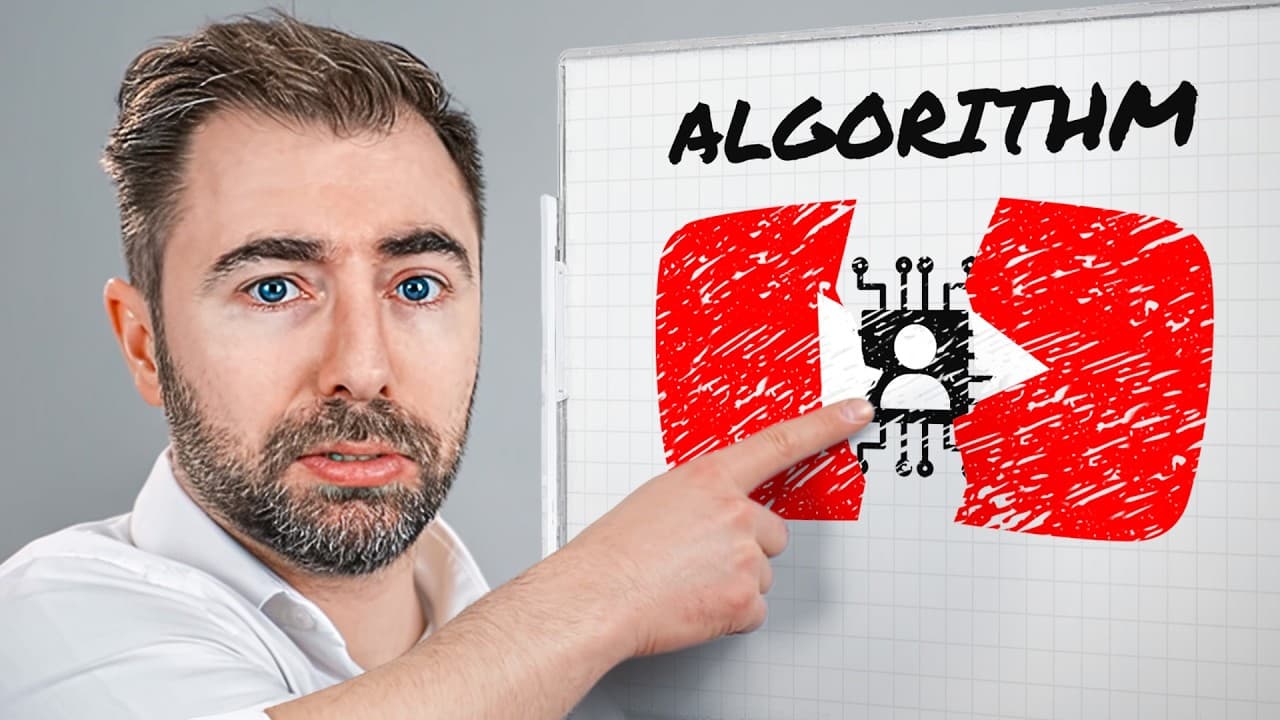
Focusing on viewer satisfaction is the key. Keep viewers watching as long as possible, use a viral loop of hook, hold, and handoff, and enable binge sessions by guiding viewers to watch more videos. Build trust with your audience, and structure content to loop into playlists and related videos for wider reach.
Transcript
It really doesn't matter if you've been posting videos for 6 days, 6 months, or six years. The YouTube algorithm isn't necessarily keeping score. It only cares about one thing, and that is, will people keep watching your video? And when you upload 50 videos, and that's when it finally clicks and something takes off and you have a viral moment, that... Read More
Key Insights
- Core audience is the initial test group for a new video, determining early performance.
- The algorithm favors videos that keep viewers watching longer, signaling safe recommendation.
- The viral loop of hook, hold, and handoff drives binge watching and boosts ranking.
- Creating progressive escalation in each scene helps maintain viewer retention.
- Session time, not just on your channel, signals broader recommender engagement.
- Playlists and video chains encourage longer session time and repeat views.
- Context and timing matter, aligning content with cultural moments boosts shares and recommendations.
- Consistency in posting helps the algorithm learn what your channel is about and when to push videos to new audiences.
- More videos from this channel:
- More from this channel: vidIQ
Install to Summarize YouTube Videos and Get Transcripts
Explore YouTube Video Summarizer or Get YouTube Transcript Extractor
Questions & Answers
Q: How can I get my first video to be picked up by the algorithm for a small channel
To start, prioritize viewer satisfaction from the first frame, aiming to keep viewers watching for as long as possible. Use a clear hook to capture interest, then deliver continuous value or entertainment in each scene to maintain retention. The goal is to create a strong early signal from your core audience that the video is worth recommending to similar viewers.
Q: What is the viral loop framework and how do I use it
The viral loop consists of hook, hold, and handoff. The hook grabs attention at the start, the hold delivers escalating, engaging content throughout the video, and the handoff invites a binge by prompting viewers to subscribe or watch more videos. Repeating this pattern across videos helps build consistent audience momentum.
Q: Why is session time important for recommendations
Session time represents how long a viewer stays on YouTube after watching your video and can continue with other videos. A video that starts a long viewing session signals to the algorithm that your content is engaging and worthy of broader distribution, increasing chances of appearing to new audiences.
Q: How can playlists improve recommendations
Playlists group related videos so viewers can watch multiple episodes in one sitting, increasing overall session time on your channel. When a viewer completes one video and continues to the next, the algorithm views this as a healthy engagement pattern, which can raise your likelihood of being recommended in the future.
Q: What role does timing play in getting recommended
Timing matters because algorithms reflect real-time viewer interests and trending moments. If you connect your content to current cultural moments or seasonal topics, your video becomes relevant to a larger audience, increasing watch time and recommendation potential.
Q: Can you give an example of successful channel strategies
Nick De Giovani blends food with storytelling and escalating challenges to create a compelling hook and hold, then uses a close that nudges viewers to subscribe for more. TD Bricks builds chained videos like 100 Lego tricks and places them in playlists, encouraging continuous viewing and stronger session signals.
Q: How should a creator treat the audience during uploads
Treat the audience as the core driver of recommendations. Upload consistently, tailor content to the core audience first, then design videos that can attract secondary audiences, and ultimately broad audiences. This approach builds trust and signals to YouTube that the creator provides valuable, binge-worthy content.
Q: What is the safe-to-recommend signal YouTube looks for besides watch time
Besides watch time, the algorithm looks at post-video actions such as whether viewers go on to watch more videos, i.e., session watch time. A video that initiates longer sessions and continued viewing signals trust in the creator and increases the chance of broader recommendations.
Summary & Key Takeaways
-
This video explains that YouTube treats every video as its own test and that success depends on viewer satisfaction and retention. It emphasizes starting with your core audience, then expanding to secondary and broad audiences through proven patterns like hooks and escalating holds. Timing and context also influence recommendations.
-
The presenter introduces the viral loop framework: hook, hold, handoff, and shows how creators like Nick De Giovani and TD Bricks build chains of videos and playlists to maximize session watch time, signaling the algorithm to recommend more of their content.
-
The video concludes that understanding audience signals, timing with cultural moments, and creating binge-worthy sequences helps small channels move from occasional views to consistent recommendation and growth.
Read in Other Languages (beta)
Share This Summary 📚
Summarize YouTube Videos and Get Video Transcripts with 1-Click
Try YouTube Summary with ChatGPT & Claude or YouTube Transcript Generator
Explore More Summaries from vidIQ 📚
Summarize YouTube Videos and Get Video Transcripts with 1-Click
Try YouTube Summary with ChatGPT & Claude or YouTube Transcript Generator