How Does YouTube Recommend Videos in 2026?
TL;DR
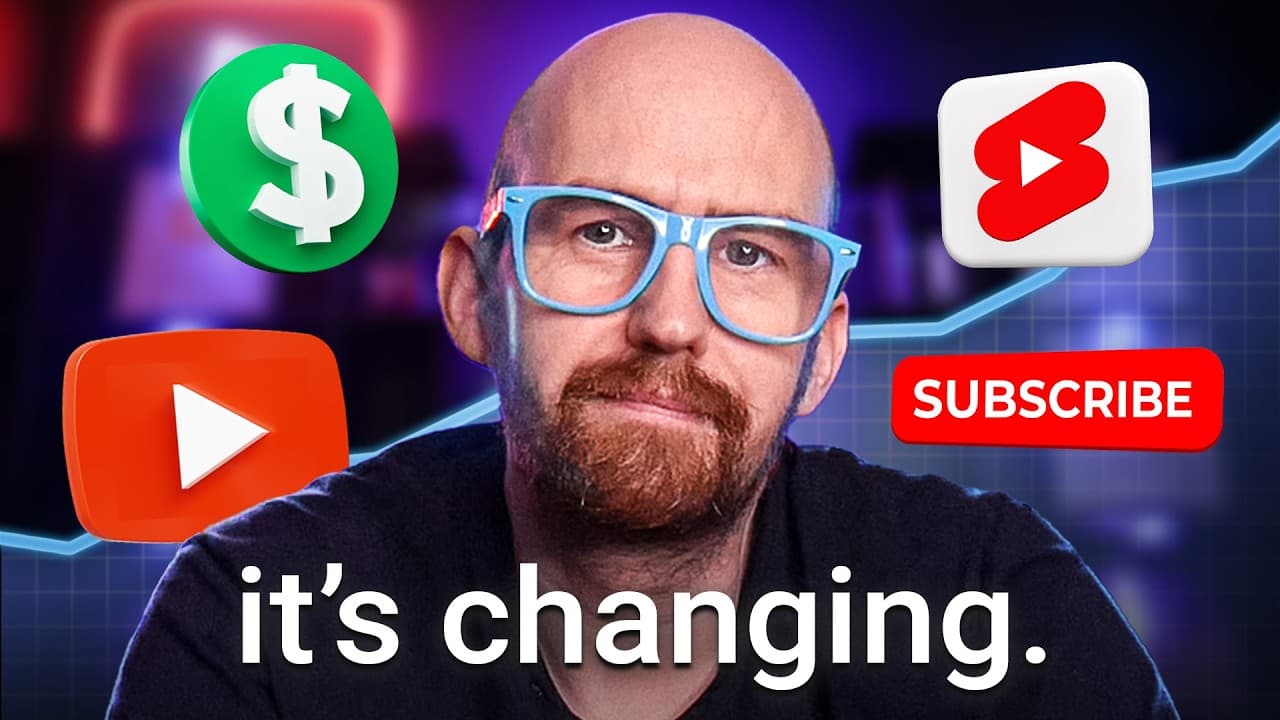
YouTube growth now depends more on matching each video with interested viewers through browse and suggested recommendations than on subscriber count. Creators should publish enough to gain experience, assess click-through rate and average view duration within the first 24–48 hours, repeat successful formats, and combine efficient technology with a distinctive, authentically human identity.
Transcript
YouTube subscribers, they're about as loyal as a New Year's resolution. It just so happens that my New Year's resolution in 2026 [music] was to be kind to subscribers. As you can see, that's not going very well. But, I do have some good news. This subscriber game is pretty much dead these days. Today, YouTube is a recommendation engine, [music] and... Read More
Key Insights
- YouTube is primarily a recommendation engine that matches individual videos with particular viewers. Views are therefore more likely to arrive through browse and suggested traffic than through an existing subscriber base, making subscriber count less decisive for the performance of a new upload.
- A small channel can grow rapidly from one successful upload. The Spencer Howard Show reportedly rose from 66 subscribers to more than 2,000 after one video gained over 100,000 views, despite its earlier uploads producing little traction.
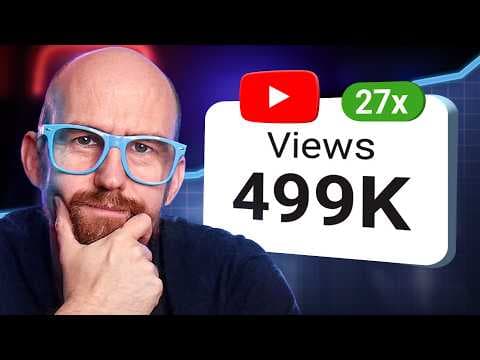
- YouTube rewards videos that matter to current viewers rather than channels with past success. An established channel can still publish an underperforming video, while a channel with fewer than 200 subscribers can potentially attract half a million views with its fourth upload.
- The audience determines whether content is compelling enough to watch. Treating disappointing results as evidence that videos need improvement gives creators an actionable problem, while assuming the platform is inherently rigged against small channels leaves no practical path toward better performance.
- Persistence is essential because most creators need many repetitions before they understand the platform. The presenter says it took more than 300 videos and roughly five years to begin understanding YouTube, although a small number of unusually talented creators may succeed much earlier.
- Viewer value should precede requests for subscriptions, attention, or other support. The boxing analogy describes value and entertainment as quick jabs with no strings attached, which can build enough trust for a larger request, or right hook, at a later stage.
- Early performance data can identify videos worth developing further. When click-through rate and average view duration during the first 24–48 hours exceed a channel's usual results, creators can make sequels, build playlists, promote the format, and produce more related content.
- A defensible channel identity combines modern tools with recognizable human qualities. AI, automation, faster production, and data can improve the production process, while a consistent face, trusted format, quirky personality, and authentic imperfections give viewers reasons to choose one creator over similar content.
- More videos from this channel:
- More from this channel: vidIQ
Install to Summarize YouTube Videos and Get Transcripts
Explore YouTube Video Summarizer or Get YouTube Transcript Extractor
Questions & Answers
Q: Why do subscribers matter less for YouTube growth in 2026?
Subscribers matter less because YouTube increasingly distributes videos through browse and suggested recommendations, matching one video with one particular viewer. A creator's existing audience does not guarantee that an upload will perform, and many views may come from people who have never subscribed. The audience tab in YouTube Studio can show creators how much of their watch time actually comes from subscribers.
Q: Can a small YouTube channel grow from one video?
A small channel can grow substantially when one upload connects with viewers. The example in the transcript is The Spencer Howard Show, which moved from 66 subscribers to more than 2,000 after a single video received over 100,000 views. Its earlier uploads had achieved little, showing that limited channel history does not prevent a later video from being widely recommended.
Q: Is the YouTube algorithm biased against small channels?
The transcript argues that the algorithm is not rigged against small channels. YouTube does not simply reward established creators for their prior success or back catalogs. It rewards videos that matter to viewers watching now. When an upload performs poorly, the actionable interpretation is that the audience did not find it compelling enough yet, so the creator should improve the next upload.
Q: Why do creators fail to grow on YouTube?
Creators commonly fail for three reasons described in the transcript. They may quit before completing enough repetitions to improve, produce content that focuses excessively on their own journey and demands, or ask viewers for attention and support before providing value. The recommended approach is to persist, serve audience needs, and lead with useful or entertaining content without immediate strings attached.
Q: How should creators evaluate a new YouTube upload?
Creators should review the video's performance during its first 24–48 hours and compare its click-through rate and average view duration with their channel averages. If both measures are higher than usual, the upload is a strong signal of what viewers want. The creator can then repeat the approach through sequels, related videos, playlists, and additional promotion of that content type.
Q: Does posting more often make the YouTube algorithm reward a channel?
Publishing more frequently does not receive an automatic reward from the algorithm, according to the transcript. The benefit is that every upload creates another opportunity to reach viewers and supplies more experience, performance data, and audience feedback. A channel's 10th, 50th, or 100th upload could alter its trajectory, so creators are not limited to publishing once per week.
Q: How can YouTube creators compete with AI-generated content?
Creators can compete by using a barbell approach. On one end, they adopt AI tools, automation, data, faster production, and other new technology. On the other, they become recognizably and authentically human through a clear brand, trusted format, distinctive face, quirks, and imperfections. The transcript argues that generic, faceless content offering little value will be squeezed as cheap generated content floods feeds.
Q: Should YouTube creators wait until a video is perfect before publishing?
Creators should not let perfection prevent them from publishing. The transcript says mistakes, weak uploads, and public failure are acceptable because experience provides feedback that planning alone cannot. Releasing a video allows the creator to observe how viewers respond within 24–48 hours. That evidence can guide the next upload, reveal successful patterns, and prevent prolonged production without measurable results.
Summary & Key Takeaways
-
YouTube operates primarily as a recommendation engine, so views increasingly come from browse and suggested placements rather than subscribers. Each upload is evaluated for its relevance to current viewers, allowing a small channel with little history to outperform an established channel when a particular video connects strongly with its intended audience.
-
Creators often fail because they quit before accumulating enough practice, make self-focused content that exhausts viewers, or ask for support before delivering value and entertainment. Publishing imperfect work creates experience and audience feedback. Strong click-through rate and average view duration relative to channel averages indicate ideas worth repeating and expanding.
-
Frequent publishing does not receive an automatic algorithmic reward, but each upload provides another opportunity, more performance data, and more audience feedback. In an environment filled with cheap AI-generated content, creators can differentiate themselves by combining technology, automation, and efficient production with a recognizable identity, trusted format, and authentically human personality.
Read in Other Languages (beta)
Share This Summary 📚
Summarize YouTube Videos and Get Video Transcripts with 1-Click
Try YouTube Summary with ChatGPT & Claude or YouTube Transcript Generator
Explore More Summaries from vidIQ 📚
Summarize YouTube Videos and Get Video Transcripts with 1-Click
Try YouTube Summary with ChatGPT & Claude or YouTube Transcript Generator