How to Balance YouTube Shorts and Long Videos
TL;DR
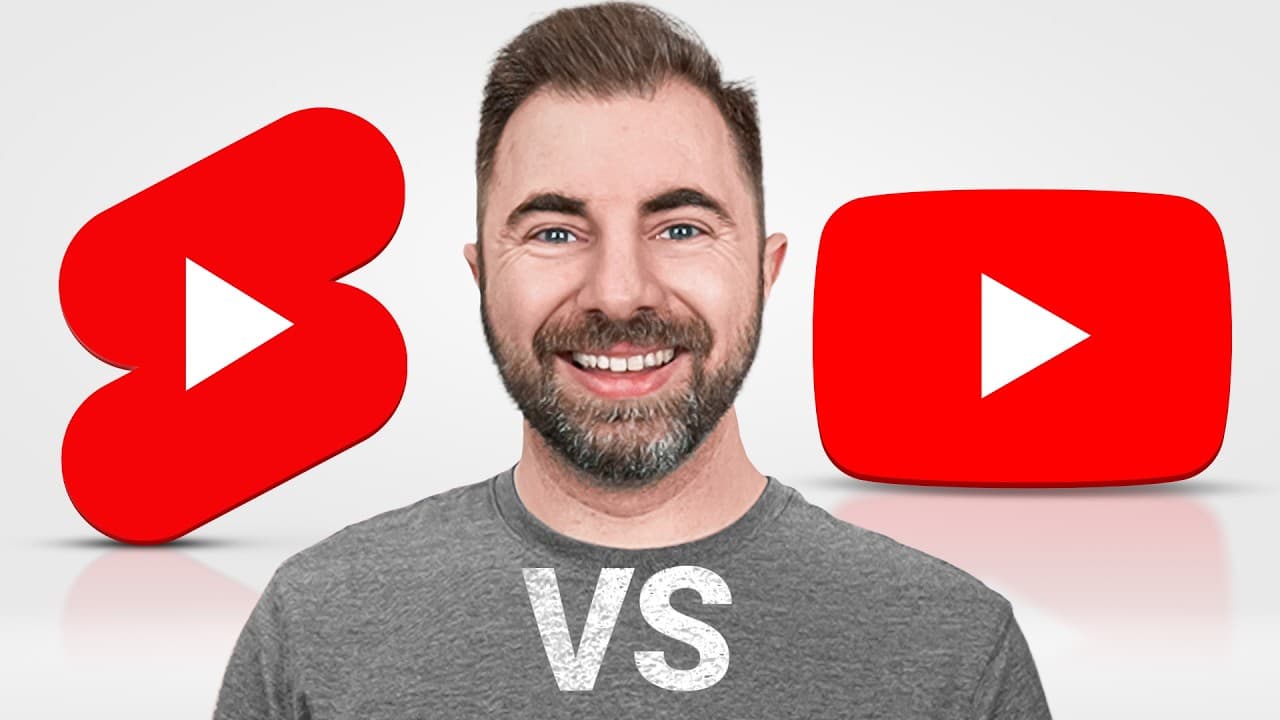
Use a hybrid YouTube strategy built around roughly 30% Shorts and 70% long-form videos. Shorts can expand reach and attract new viewers, while long-form content supports watch time, audience loyalty, community building, and revenue. Treat the ratio as a starting guideline, then adjust it according to channel size, performance data, creative preferences, and sustainable production habits.
Transcript
Recently, VidIQ analyzed over 100,000 channels on YouTube to answer one simple question. Should you be relying more on short form content or long- form content this year in 2026? What we learned might surprise you. Maybe what you're watching right now is clearly not a short if that's a hint. So, today we're diving into the data on all of these chan... Read More
Key Insights
- A hybrid publishing strategy tends to outperform relying exclusively on Shorts or long-form videos. The study found that mixed-format channels outnumbered the two extreme groups by three to one, suggesting that creators generally benefit from combining broad discovery with deeper audience engagement.
- The suggested platform-wide content mix is 30% Shorts and 70% long-form videos. This ratio appeared across channel-size tiers and is presented as a practical starting point for creators ranging from very small accounts to channels with millions of subscribers.
- Shorts function primarily as a reach mechanism that introduces a channel to new viewers. They extend the horizontal reach of a content strategy by attracting people who may primarily watch short-form videos and might not otherwise discover the creator's long-form work.
- Long-form videos support watch time, loyalty, community building, and revenue. They provide the stable foundation of the channel's strategy by serving viewers who are interested enough to spend more time with the creator and maintain an ongoing relationship.
- Channels with more than 100,000 subscribers published approximately 33% of their content as Shorts. However, channels approaching 10 million subscribers appeared to depend less on Shorts, partly because many had already built substantial audiences through years of long-form content.
- Smaller channels can begin with Shorts representing approximately 25% to 35% of their uploads. Publishing one Short for every four videos offers a measured way to expand reach while preserving the long-form output needed for loyalty, watch time, and community development.
- Shorts appear to matter more for subscriber growth when a channel has fewer subscribers. By contrast, channels with more than 5 million subscribers should emphasize quality over quantity and deploy Shorts strategically instead of treating high short-form volume as the central growth method.
- The 30-to-70 split is a guideline rather than a strict rule. Creators should ease into a hybrid strategy, monitor how it affects channel metrics, and adjust the balance when results are undesirable or when producing either format becomes personally unsustainable.
- More videos from this channel:
- More from this channel: vidIQ
Install to Summarize YouTube Videos and Get Transcripts
Explore YouTube Video Summarizer or Get YouTube Transcript Extractor
Questions & Answers
Q: Should YouTube creators post Shorts or long-form videos in 2026?
YouTube creators who are comfortable producing both formats should use a hybrid strategy instead of choosing only Shorts or only long-form videos. The analysis found that mixed-format channels tend to outperform single-format channels. Shorts can introduce the channel to new viewers, while long-form videos can generate more watch time, loyalty, community connection, and revenue.
Q: What is the recommended ratio of Shorts to long-form videos?
The recommended starting ratio is 30% Shorts and 70% long-form videos. The study observed this general pattern across channels of different sizes, suggesting it can serve as a broad platform-wide guideline. It is not a strict rule, so creators should monitor their metrics and adjust the mix when the results do not support the initial balance.
Q: How do YouTube Shorts help a channel grow?
YouTube Shorts help by expanding a channel's reach and bringing its content to new viewers. The transcript describes Shorts as the horizontal axis of a content strategy, with the ability to reach outward and attract people who may primarily consume short-form content. This makes Shorts especially relevant for smaller channels seeking greater discovery and subscriber growth.
Q: Why are long-form YouTube videos still important?
Long-form videos remain important because they support watch time, viewer loyalty, community building, and revenue. The transcript presents long-form content as the vertical foundation of a channel and compares it to the legs that maintain pace and momentum. Removing that foundation may leave a Shorts-focused channel with reach but fewer opportunities to deepen audience relationships.
Q: How many Shorts should a small YouTube channel publish?
A smaller channel can start by making approximately 25% to 35% of its uploads Shorts. One practical interpretation is to publish about one Short for every four videos. This measured approach can increase discovery without sacrificing the long-form content that supports watch time, loyalty, revenue, and stronger relationships with returning viewers.
Q: Should a large YouTube channel use the same content strategy?
Large channels can still use both formats, but their priorities may differ. Channels with more than 5 million subscribers should focus on quality over quantity and use Shorts strategically. Many very large channels built their subscriber bases through years of long-form publishing, so the additional reach offered by Shorts may be less important to them than it is to smaller creators.
Q: What happens when a channel publishes only YouTube Shorts?
A Shorts-only channel may gain substantial reach but miss the community-building opportunities associated with long-form content. In the analyzed sample, 14% of channels published only Shorts. The transcript cautions that success among visible Shorts-only channels does not guarantee the same outcome for every creator, particularly when deeper audience loyalty and watch time are important goals.
Q: How should creators adjust a mixed YouTube content strategy?
Creators should introduce the mixed strategy gradually, study performance data, and treat the 30% Shorts and 70% long-form split as a starting point. If that balance changes metrics in undesirable ways, they can reduce or revise it. They should also favor a sustainable format when they genuinely dislike producing Shorts or long-form videos, since forced production can harm motivation.
Summary & Key Takeaways
-
An analysis of more than 100,000 YouTube channels found that creators using both Shorts and long-form videos tend to outperform channels committed exclusively to either format. The proposed starting point is a 30-to-70 split, using Shorts primarily for broader discovery and long videos for deeper audience relationships, watch time, and revenue.
-
Shorts become particularly valuable when a channel needs greater exposure. Smaller creators can begin by making approximately 25% to 35% of their uploads Shorts, or about one Short for every four published videos. Larger established channels can use Shorts more selectively because their audiences were often built through years of long-form publishing.
-
The recommended content mix is a flexible guideline rather than a universal rule. Creators should introduce format changes gradually, examine how the mix affects their metrics, and reduce or increase Shorts accordingly. Personal sustainability also matters, because forcing a consistently disliked format can damage motivation and ultimately harm the channel's content production.
-
Key Insights section follows.
Read in Other Languages (beta)
Share This Summary 📚
Summarize YouTube Videos and Get Video Transcripts with 1-Click
Try YouTube Summary with ChatGPT & Claude or YouTube Transcript Generator
Explore More Summaries from vidIQ 📚
Summarize YouTube Videos and Get Video Transcripts with 1-Click
Try YouTube Summary with ChatGPT & Claude or YouTube Transcript Generator