How to decide if you should use YouTube Shorts
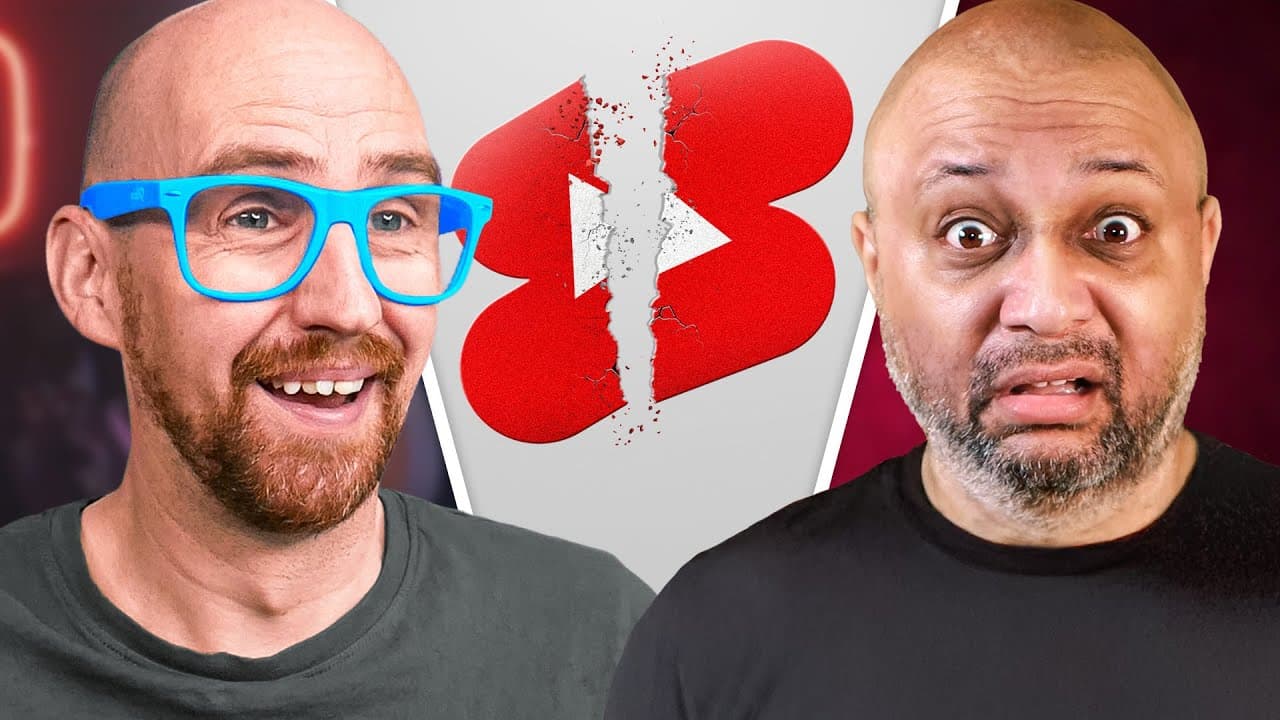
TL;DR
Short form content is a distinct discipline and can boost discovery, but it is not mandatory for every creator. Learning to craft quick, engaging segments helps long form content breathe and can widen audience reach, while preserving your preferred pace and storytelling style.
Transcript
Welcome to VidIQ point counterpoint where Rob Wilson says something and then I argue against it. Rob, what is your point today? All right, Travis, I didn't think I'd be saying this even a year ago, but everyone should be making YouTube shorts. That's terrible. Not everyone should make YouTube shorts. Why would you even say that? What's your point o... Read More
Key Insights
- Shorts are a different creative discipline requiring quick, high-impact storytelling.
- Learning to tell stories quickly can improve overall video pacing in longer videos.
- Shorts can boost numbers quickly but may feel ephemeral to fans who prefer depth.
- Long form content provides conversation and depth that shorts cannot fully replace.
- Adapting to short form builds a flexible skill set applicable to all formats.
- Even critics of Shorts recognize value in using them for specific purposes like promotion or segments.
- A thoughtful mix of formats helps sustain channel growth over time.
- AI is mentioned as a tool consideration but not essential to the Shorts argument.
- More videos from this channel:
- More from this channel: vidIQ
Install to Summarize YouTube Videos and Get Transcripts
Explore YouTube Video Summarizer or Get YouTube Transcript Extractor
Questions & Answers
Q: What is the main argument for making YouTube Shorts according to the discussion?
The main argument for making YouTube Shorts is that short form content offers an incredibly low barrier to entry and rapid discovery. It creates opportunities for growth by tapping into a large, active audience that consumes tens of billions of Shorts daily. This approach helps new creators gain visibility quickly and diversify content strategies.
Q: What is the main drawback of Shorts discussed?
The drawback is that Shorts demand telling an amazingly interesting story in a very short time, which may not suit everyone’s preferred pace. Some creators enjoy longer, slower storytelling and feel rushed by the format, risking audience dissatisfaction if the content feels disposable or shallow.
Q: How can Shorts benefit long form content, according to the counterpoint?
Shorts can benefit long form content by teaching creators to capture attention quickly and craft concise scenes, which improves pacing, cadence, and storytelling in longer videos. The skill of delivering key moments in seconds can enrich long form videos with more deliberate pacing and varied momentum.
Q: What is the stance on Shorts as a permanent channel strategy?
The stance is nuanced: Shorts are a separate discipline that should not necessarily become the sole channel strategy. They are valuable for gaining exposure and testing ideas but should coexist with long form formats, live streams, and podcasts to preserve depth, conversation, and audience connection.
Q: How is the audience experience described for Shorts versus long form?
Audience experience for Shorts is described as quick and highly consumable, offering rapid bites that can feel disposable, while long form content fosters a sense of conversation and in-depth exploration, making viewers feel like they are engaging with a more personal and slower-paced dialogue.
Q: What role does AI play in the Shorts discussion?
AI is acknowledged as a potential tool in Shorts contexts, particularly for efficiency or promotional tasks, but it is not presented as a mandatory element. The core argument centers on the format’s value and skill development rather than relying on technology alone.
Q: What is the final verdict on who wins the debate?
The debate ends with a balanced view rather than a clear winner. Both sides acknowledge value in Shorts and affirm that long form content remains essential. Creators are encouraged to adapt, experiment with Shorts, and use it strategically to complement long form content rather than replace it.
Q: Why should creators learn to make Shorts even if they do not publish Shorts?
Creators should learn Shorts to build flexibility in storytelling, gain a new pace for faster production, and understand audience behavior across formats. Even without publishing Shorts, the skillset from short form can improve overall video quality, pacing, and the ability to capture attention in other formats.
Summary & Key Takeaways
-
Short form content is a separate discipline that requires new storytelling muscles, beyond long form habits, and can expand a creator's reach.
-
Shorts can boost metrics quickly, but they may feel disposable for some audiences and should complement, not replace, long form content.
-
A balanced approach is to learn from shorts while continuing to invest in long form, live streams, and deep conversations.
Read in Other Languages (beta)
Share This Summary 📚
Summarize YouTube Videos and Get Video Transcripts with 1-Click
Try YouTube Summary with ChatGPT & Claude or YouTube Transcript Generator
Explore More Summaries from vidIQ 📚

Summarize YouTube Videos and Get Video Transcripts with 1-Click
Try YouTube Summary with ChatGPT & Claude or YouTube Transcript Generator