How to Grow YouTube Channels Without Burnout
TL;DR
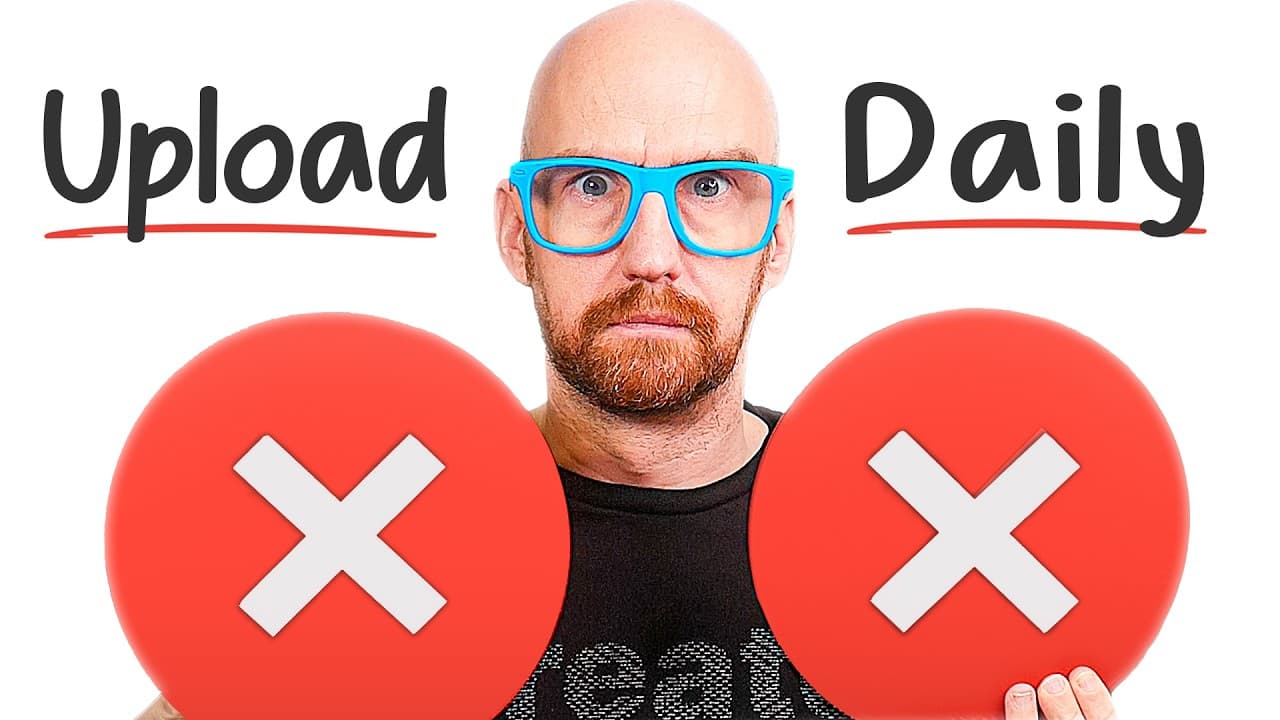
Upload on a sustainable schedule rather than daily, focus on quality over quantity, study successful formats and hooks, and transform them into your own style. Don’t copy big creators, embrace only trends that fit your channel, and prioritize your title, thumbnail, and early video moments. Rely on viewer engagement signals rather than keyword stuffing for discovery.
Transcript
So, you want to avoid dodgy YouTube advice that ruins your channel, but you're sat on your toilet right now and you've only got 5 minutes. Well, let's get to it, then the advice. I mean, not your toilet business. Uploading consistency means daily, no matter what. Daily uploads for most human beings are a speedrun to burnout. Consistency doesn't mea... Read More
Key Insights
- Consistency means a sustainable posting schedule rather than daily uploads.
- More videos do not fix weak ideas, and quality must improve to see growth.
- Copying big creators does not help and can make you look like wallpaper.
- Study successful formats and hooks, then adapt them into your own voice.
- Chasing every trend harms channel focus; only adopt trends that fit your niche.
- SEO helps discovery only to a point; viewer signals drive ranking.
- Titles and thumbnails matter more than tags or keywords.
- Early video performance is noisy but informative for learning the craft.
- More videos from this channel:
- More from this channel: vidIQ
Install to Summarize YouTube Videos and Get Transcripts
Explore YouTube Video Summarizer or Get YouTube Transcript Extractor
Questions & Answers
Q: What is the recommended approach to posting frequency for sustainable growth?
The recommended approach is to upload on a schedule you can sustain long enough to get better at making videos instead of posting daily. A single strong video per week can be more effective than seven mediocre ones. The focus should be on consistency that supports learning and improvement without burning out.
Q: Why shouldn’t creators copy big channels to grow?
Copying big creators does not help you stand out and can make your channel look like wallpaper. Growth comes from studying successful formats and their thinking, then transforming those ideas into your own style, voice, and unique approach. Originality plus understanding formats yields better engagement and differentiation.
Q: How should trends be used according to the video?
Trends should be embraced only if they fit your channel. Chasing every trend creates a chaotic mix that dilutes your brand and harms long term growth. Select trends that align with your goals, audience, and content style to avoid misalignment and audience confusion.
Q: What is said about search engine optimization and rankings?
SEO helps with discovery, but YouTube rewards viewer behavior, such as whether viewers click, watch, and come back for more. Keywords alone do not guarantee success; the algorithm prioritizes actual engagement signals over keyword stuffing, while tags are less critical than the title, thumbnail, and early video performance.
Q: What role do tags play in video ranking?
Tags exist but are less important for ranking than the title, thumbnail, and first 30 seconds of the video. While tags can provide some context, many top videos rank without tags. The emphasis is on creating compelling, clear, and engaging content that resonates with viewers.
Q: What caution is given about using copyrighted material in clips?
Copyright still exists for the time being, and fair use requires proper transformation and risk understanding. Tiny clips do not automatically make a reupload safe, so creators should transform content adequately rather than relying on a magic shield, and weigh the potential risks before using copyrighted content.
Q: What should new creators focus on in their early analytics?
Early analytics are noisy and temperamental, so focus on basics like ideas, hooks, clarity, and storytelling. Learn from every video, adjust as needed, and avoid overreacting to short-term fluctuations. The emphasis is on steady improvement and building a foundation for long term growth.
Q: What does the video suggest about the impact of one bad video?
One bad video does not kill a channel; a pattern of weak content does. Treat a single flop as data and an opportunity to learn, whereas repeating weak content signals a trend that can harm growth. The mindset should be to learn, adjust, and continue producing better material.
Summary & Key Takeaways
-
This video argues that sustainable consistency matters more than posting daily, emphasizing quality and a steady practice over burnout and quantity. It recommends studying successful formats, crafting strong hooks, and transforming them into your own voice rather than copying popular creators. Trends should fit the channel rather than dictate it.
-
The guide cautions against relying on keywords or tags as the main driver of discovery, stating that viewer behavior and engagement are what YouTube rewards. It stresses the importance of compelling titles, thumbnails, and the first 30 seconds of content.
-
Overall, the video frames growth as a function of learning, testing, and adapting ideas with a long term mindset, rather than chasing every trend or copying big creators, while encouraging creators to analyze analytics and iterate thoughtfully.
Read in Other Languages (beta)
Share This Summary 📚
Summarize YouTube Videos and Get Video Transcripts with 1-Click
Try YouTube Summary with ChatGPT & Claude or YouTube Transcript Generator
Explore More Summaries from vidIQ 📚

Summarize YouTube Videos and Get Video Transcripts with 1-Click
Try YouTube Summary with ChatGPT & Claude or YouTube Transcript Generator