How to build secure attachment after childhood trauma
TL;DR
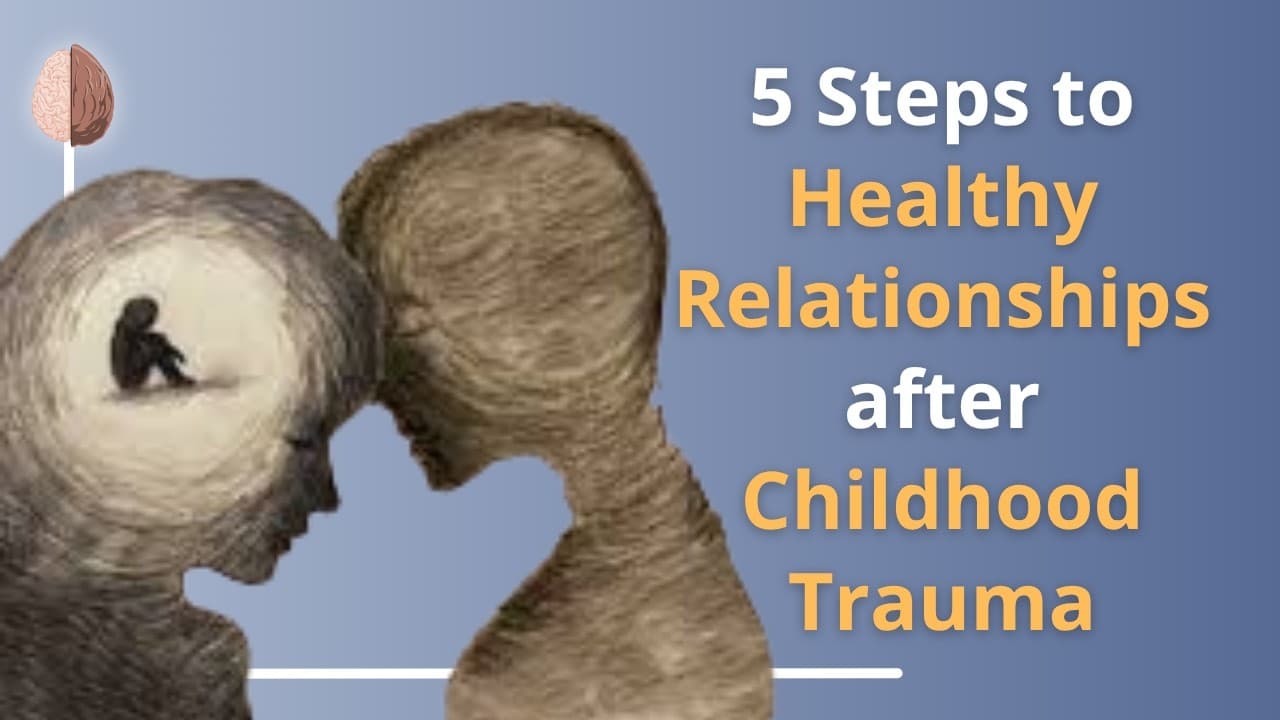
Secure attachment can be rebuilt through slow, deliberate practice with safe, emotionally available people and therapy. Start by going slow, then work with a therapist or group therapy to practice healthy boundaries and emotion regulation. Reparenting yourself with compassion helps rewire the brain for safer relationships.
Transcript
Do you catch yourself spiraling after a text is left unread with no response? Or do you divulge all sorts of intimate details about yourself on a first date? Or maybe you start to feel scared when you get close to someone and find yourself pulling away. If any of this feels familiar, you probably know deep down why relationships are so difficul... Read More
Key Insights
- CPTSD from childhood trauma damages adult relationships by shaping trust, abandonment fears, and people-pleasing tendencies.
- The key to rebuilding secure attachment is a slow, careful approach that avoids rushing into deep closeness and prioritizes emotional availability.
- Therapy and group therapy provide compassionate support, feedback, and boundaries that help rewire the brain and establish earned secure attachment.
- Attachment styles commonly observed are anxious, avoidant, and disorganized, each with distinct patterns of seeking closeness or pulling away.
- Co-regulation in early relationships teaches the nervous system to self-regulate; later, safe partners can model calmness and support neuroplastic changes.
- Five stages of healing include going slow, selecting safe relationships, testing them over time, reparenting oneself, and creating earned secure attachments.
- Self-reparenting involves giving oneself compassion, validation, protection, and guidance not received in childhood.
- There are practical strategies to build healthy relationships, including boundaries, consistent safety signals, and therapy group participation.
- More videos from this channel:
- More from this channel: Therapy in a Nutshell
Install to Summarize YouTube Videos and Get Transcripts
Explore YouTube Video Summarizer or Get YouTube Transcript Extractor
Questions & Answers
Q: A real search query question about the video (e.g. 'How to...', 'What is...', 'Why does...', 'When should...'). Question 1
What is earned secure attachment and how can it be achieved through relationships and therapy? Earned secure attachment is the outcome of consistent, safe relational experiences that help rewire the brain to trust others and regulate emotions. It is built over time by going slow, choosing emotionally available people, and engaging with a compassionate therapist or therapy group that provides feedback and clear boundaries. This process supports neuroplastic changes and fosters a sense of safety in relationships that persists beyond therapy.
Q: Question 2
How does CPTSD alter typical attachment patterns and what are the signs to watch for in adult relationships? CPTSD can lead to anxious, avoidant, or disorganized attachment styles, with signs like clinging, fear of abandonment, withdrawal, difficulty sharing emotions, or recurring push-pull dynamics. Recognizing these patterns helps individuals choose healthier partners, set boundaries, and seek professional guidance to reframe interactions so they feel safer and more manageable.
Q: Question 3
Why is it important to go slow when forming new close relationships after trauma, and what practical steps support this? Going slow reduces the risk of reenacting old injuries and allows trust to develop gradually. Practical steps include delaying deep emotional disclosures, testing compatibility over time, prioritizing consistent, safe behavior from others, and using therapy to process emotions as bonds deepen.
Q: Question 4
What roles do therapy and group therapy play in rebuilding attachment, and how should someone choose a good therapist or group? Therapy offers compassionate care, clear boundaries, and feedback to stay connected during distress. Group therapy provides safe peers and shared learning within trauma-informed guidelines. When choosing, look for experienced trauma specialists, clear rules, and a leader who fosters safety and accountability.
Q: Question 5
How does reparenting help someone heal attachment wounds, and what practical self-care practices support this process? Reparenting teaches self-compassion, validation, protection, and guidance that were missing in childhood. Practical self-care includes acknowledging needs, setting boundaries, practicing self-soothing, and creating routines that reinforce safety signals. Over time, these behaviors promote internal regulation and healthier responses to closeness.
Q: Question 6
What are the common attachment patterns described in the video, and how can recognizing them improve relationships? The video outlines anxious, avoidant, and disorganized attachment. Recognizing these patterns helps individuals understand their reactions to closeness, fear of rejection, or pull away tendencies, enabling them to choose safer partners, communicate needs, and work with a therapist to establish healthier dynamics.
Q: Question 7
How can neuroplasticity support healing from childhood trauma in relationships, and what daily actions promote it? Neuroplasticity is aided by repeated, safe relational experiences that calm the nervous system and release bonding chemicals like oxytocin. Daily actions include generous eye contact, gentle tone, predictable behavior, and compassionate responses from partners, which gradually rewire the brain to feel safe in closeness.
Q: Question 8
What is the long-term goal of the five-stage plan, and how does it change day-to-day relationship behavior? The long-term goal is earned secure attachment where one can trust, give, and receive love with healthy boundaries. Day-to-day, this translates into slower relationship progression, better boundary setting, and increased tolerance for distress without resorting to old patterns.
Summary & Key Takeaways
-
In childhood trauma, attachment injuries disrupt trust and safety, but five stages of healing provide a path to secure attachment. The video explains how nervous system regulation and neuroplasticity support lasting change through safe relationships and expert guidance.
-
You learn to identify anxious, avoidant, and disorganized attachment patterns and how to avoid repeating unhealthy dynamics. The approach emphasizes slow progress, clear boundaries, and the role of therapy in cementing earned secure attachment over time.
-
The content highlights the role of co-regulation, oxytocin, and safe relational experiences in rewiring responses to fear and closeness. It also stresses that there are no quick fixes, but consistent practice can transform how you relate to others and yourself.
Read in Other Languages (beta)
Share This Summary 📚
Summarize YouTube Videos and Get Video Transcripts with 1-Click
Try YouTube Summary with ChatGPT & Claude or YouTube Transcript Generator
Explore More Summaries from Therapy in a Nutshell 📚





Summarize YouTube Videos and Get Video Transcripts with 1-Click
Try YouTube Summary with ChatGPT & Claude or YouTube Transcript Generator