How to Build Healthy Interdependence in Relationships
TL;DR
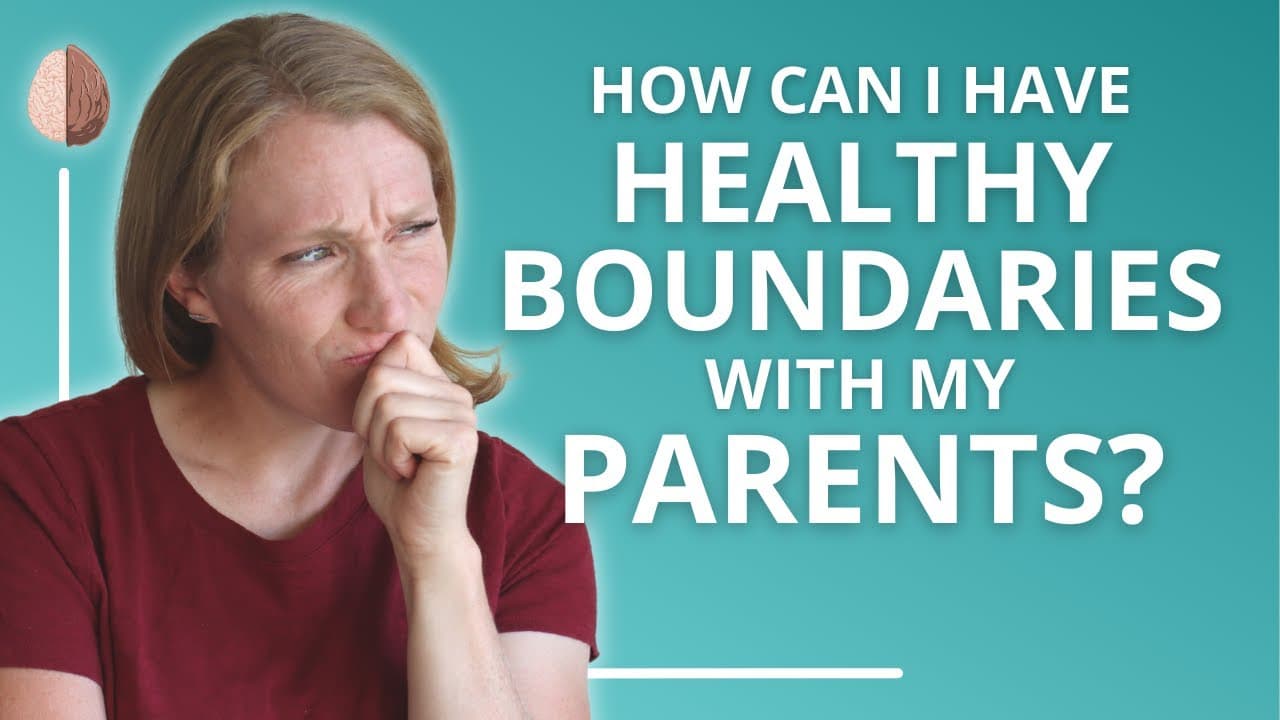
Healthy interdependence means each person owns their emotions and actions while staying connected and supportive. It avoids enmeshment by keeping boundaries and individuality intact, and avoids detachment by maintaining care and empathy. The goal is high empathy with clear personal responsibility and adult roles while staying connected.
Transcript
so let's work for a minute on differentiation for people to be healthy they need to have their own identity they need to be responsible for themselves but still connected to others this is called interdependence when working with family members of people with mental illness there are two patterns that pop up frequently but are not very helpful enme... Read More
Key Insights
- Enmeshment is when you are fused with another person, creating high empathy but low boundaries.
- Detachment features overly rigid boundaries and low empathy, which can feel like safety but harms connection.
- Interdependence means each person owns their emotions and actions while still offering support.
- Healthy relationships require a balance of vulnerability and separateness, not smothering or cutting off.
- Roles matter: you are not the fixer or rescuer, you are a helper who respects others’ life choices.
- Clear personal time and space prevent enmeshment and help maintain individuality.
- Signs of unhealthy patterns include walking on eggshells, lack of real conversation, and emotional outsourcing.
- Developing interdependence improves peace and supports growth for both partners.
- More videos from this channel:
- More from this channel: Therapy in a Nutshell
Install to Summarize YouTube Videos and Get Transcripts
Explore YouTube Video Summarizer or Get YouTube Transcript Extractor
Questions & Answers
Q: How can I tell if I am slipping into enmeshment in my relationship?
Enmeshment shows up when you feel you must fix the other person to feel okay, or when your emotions are inseparable from theirs so you experience happiness only when they are happy and sadness only when they are sad. You may have little personal time or space, and you may rely on the other for your self esteem. To move toward healthier dynamics, recognize your own emotions as separate from theirs, set boundaries, and practice responsible self care that respects both partners’ autonomy.
Q: What is the difference between detachment and healthy distance in relationships?
Detachment involves high boundaries and low empathy, often leading to avoidance of real conversations and emotional withdrawal. Healthy distance, by contrast, preserves personal space while maintaining empathy and connection. It allows partners to care without becoming overwhelmed, and supports ongoing communication about feelings, needs, and boundaries. The goal is to stay connected with care, not to shut down emotionally.
Q: What does interdependence look like in practical terms?
Interdependence means each person handles their own emotions and decisions but remains supportive and connected. People reach out when it is beneficial, take responsibility for their actions, and avoid using the other to prop up their self esteem. Roles are clear, with adults maintaining their own life while still choosing to stay involved and caring for the partner’s growth.
Q: Why is it important to have high boundaries with high empathy?
High boundaries protect personal identity and prevent emotional outsourcing, while high empathy ensures you can understand and care about your partner’s feelings. This combination allows both people to be responsible for their own emotions while still offering support, leading to healthier, more resilient relationships where both autonomy and connection are valued.
Q: What are common signs that a relationship is trending toward interdependence rather than enmeshment or detachment?
Common signs include clear personal boundaries alongside genuine caring, independent decision making with awareness of the other person’s impact, and a willingness to feel and be vulnerable. People communicate about needs honestly, avoid emotional reactivity, and maintain adult roles, such as partners supporting each other without assuming responsibility for the other’s emotions.
Q: How can someone move from detachment to interdependence?
To move from detachment to interdependence, practice increasing empathy while preserving boundaries. Start by identifying your feelings separately from your partner’s, establish routines that protect personal time, and set explicit expectations about support and independence. Gradually share vulnerabilities, honor mutual decisions, and reinforce the belief that both partners are capable of managing their own emotions.
Q: What role do boundaries play in healthy relationships?
Boundaries define what is acceptable and help protect individual integrity. In healthy relationships, boundaries are clear, flexible, and state how much help or closeness is appropriate. They support autonomy, prevent codependence, and enable open communication about needs, limits, and values while maintaining a supportive connection.
Q: How can you maintain adult roles while staying emotionally connected?
Maintain adult roles by not turning to your partner as a sole source of emotional support or validation. Share feelings without blaming, take responsibility for your actions, and offer help without taking over. Stay connected through meaningful conversations, shared activities, and mutual respect, ensuring that love does not become dependency.
Summary & Key Takeaways
-
Healthy interdependence means each person remains responsible for their own emotions and actions while staying connected to others, creating a supportive but autonomous relationship. This approach requires high empathy and clear boundaries, helping people act on values rather than seeking others' approval. It prioritizes individual growth within a caring partnership.
-
Enmeshment is an overconnected pattern where emotional fusion leads to dependency and a need to fix others. Boundaries are weak, and personal time is scarce, causing confusion and helplessness. Detachment is the opposite, with rigid boundaries and low empathy, making care feel unsafe or distant. Interdependence combines care with responsibility.
-
Healthy boundaries and empathy enable adults to maintain roles as partners rather than caregivers or saviors. People stay connected without losing autonomy, and decisions respect each person’s growth. This approach fosters peace and reduces emergency reactions, helping relationships heal and thrive.
Read in Other Languages (beta)
Share This Summary 📚
Summarize YouTube Videos and Get Video Transcripts with 1-Click
Try YouTube Summary with ChatGPT & Claude or YouTube Transcript Generator
Explore More Summaries from Therapy in a Nutshell 📚




Summarize YouTube Videos and Get Video Transcripts with 1-Click
Try YouTube Summary with ChatGPT & Claude or YouTube Transcript Generator