How did Nike lose billions with a direct to consumer move?
TL;DR
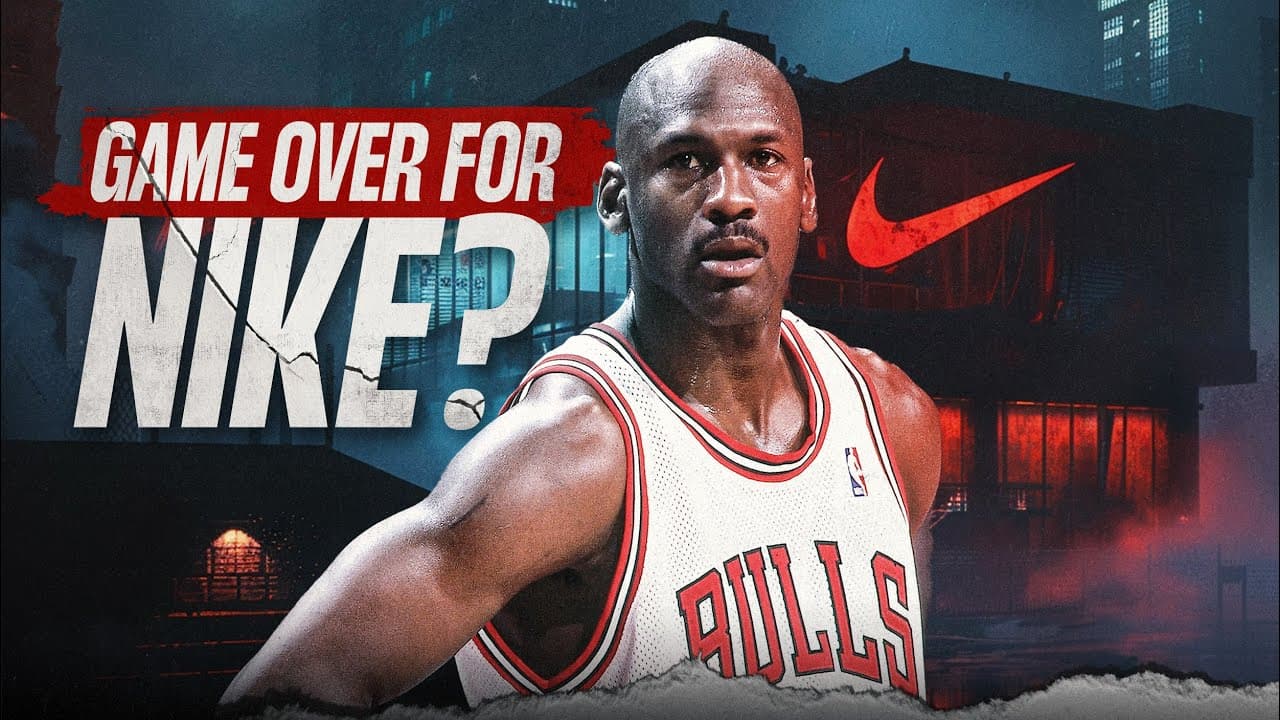
Nike pursued direct to consumer to gain better margins, brand control, customer data, and in store experience. This shift coincided with rising unsold inventory and a falling stock price, driving a move back toward wholesale. The video distills lessons for D2C investors and founders from Nike’s billion dollar misstep.
Transcript
hi everybody Nike is feeling Nike is no longer dominating the running Market the 60-year-old company is stumbling this is the first real time that you're seeing Nike really struggle with competition do do you have Nikes or you don't 50% of people are wearing Hoka now this is a story of misfires being masked by a pandemic sales Boom for the fiscal f... Read More
Key Insights
- D2C aims to improve margins by selling directly to customers, potentially increasing profit per unit.
- D2C provides brand control and pricing power, reducing retailer-driven discounting that can dilute perceived value.
- D2C enables richer customer data, enabling personalized marketing and product improvements.
- D2C can backfire if inventory rises and sales slow, increasing unsold stock and hurting financials.
- Nike’s strategy included a three-pillar framework combining digital products, retail stores, and the physical-digital interconnection.
- The three-pillar model used apps, specialized stores, and integrated data feedback to steer product and location decisions.
- Eliminating intermediaries allows better control over customer experience but requires robust logistics and marketing investments.
- The case study emphasizes learning from Nike’s experience for D2C investors and founders in India and beyond.
- More videos from this channel:
- More from this channel: Think School
Install to Summarize YouTube Videos and Get Transcripts
Explore YouTube Video Summarizer or Get YouTube Transcript Extractor
Questions & Answers
Q: What is the direct to consumer model and why did Nike adopt it?
Direct to consumer is a model where a brand sells directly to customers rather than through wholesalers or department stores. Nike adopted D2C to gain higher margins by cutting out middlemen, maintain pricing power during holidays, and collect detailed customer data for personalized advertising and product improvements. The strategy was framed around delivering a better customer experience and greater brand control, culminating in a consumer direct offense that reduced wholesale partnerships.
Q: What were the main advantages Nike expected from D2C?
The main advantages Nike anticipated from D2C included higher profit margins per product by bypassing wholesale markups, stronger brand control over pricing to maintain premiums, richer customer data for targeted marketing and product development, and the ability to curate in-store experiences with precise quality and ambiance. These advantages were intended to create a more direct relationship with customers and optimize the entire lifecycle from discovery to purchase.
Q: What internal structure did Nike implement to support D2C?
Nike built a three pillar framework to support D2C, including a digital product portfolio with apps for training, running, sneakers, and a main app for shopping; a retail store portfolio with Nike Rise, House of Innovation, Nike Live, and Nike Style stores; and an interconnection layer that linked digital data with physical stores to guide product selection and store location based on customer density and preferences.
Q: How did Nike plan to use data to improve performance?
Nike planned to use data from its digital products to identify hot spots of customers, guide where to set up stores, and determine which products to stock in each store. The data collected from customers, such as location, preferences, and purchase history, would be fed back into apps to provide personalized recommendations, and QR codes in stores would reveal availability and related products.
Q: What went wrong for Nike with the D2C strategy according to the video?
The video argues that while D2C offered theoretical benefits, Nike faced significant challenges including high unsold inventory and a declining stock price. The shift disrupted existing wholesale relationships and required substantial investment in digital infrastructure, store formats, and data analytics. When inventory grew and sales slowed, the planned benefits did not materialize, leading to strategic reconsideration and a re-emphasis on wholesale.
Q: What lessons does the video claim can be learned from Nike’s experience?
The video suggests that D2C investors and founders should study Nike’s billion-dollar misstep to understand the importance of balancing direct channels with wholesale partnerships, ensuring inventory levels align with demand, and building a sustainable framework that can adapt to market changes. It emphasizes the need for robust data-driven decision making and realistic expectations about the pace of D2C benefits.
Q: What is the role of the three-pillar framework in Nike’s D2C approach?
The three-pillar framework integrated digital products, retail store formats, and the connection between digital and physical experiences. This structure aimed to gather customer data through apps, deploy targeted store formats to match local demand, and use store experiences to reinforce the brand. The interconnection was meant to create a virtuous cycle where digital insights guide store offerings and store feedback informs digital recommendations.
Q: How did Nike’s D2C move affect its relationship with wholesalers and retailers?
Nike began cutting wholesale partners as part of the D2C offense and reduced supply to remaining stores, ending major partnerships such as with Macy’s, Urban Outfitters, Zappos, and even Amazon. This shift disrupted traditional wholesale networks, increased reliance on Nike’s own channels, and necessitated new strategies to drive traffic to Nike.com and Nike-branded stores while managing inventory across channels.
Summary & Key Takeaways
-
Nike shifted to a direct to consumer model to improve margins, brand control, and data collection, creating a new cycle of customer engagement but also introducing new risks. The approach promised higher profits and a stronger brand but faced execution and market headwinds that eroded value.
-
The episode explains the wholesale vs D2C distinction, how Nike integrated digital products with physical stores, and how data from customers informs store placement and product selection to drive a virtuous cycle.
-
The video uses Nike as a cautionary tale for D2C investors, highlighting dead inventory and stock price decline as signals to reassess wholesale relationships and a blended go-to-market approach.
Read in Other Languages (beta)
Share This Summary 📚
Summarize YouTube Videos and Get Video Transcripts with 1-Click
Try YouTube Summary with ChatGPT & Claude or YouTube Transcript Generator
Explore More Summaries from Think School 📚






Summarize YouTube Videos and Get Video Transcripts with 1-Click
Try YouTube Summary with ChatGPT & Claude or YouTube Transcript Generator