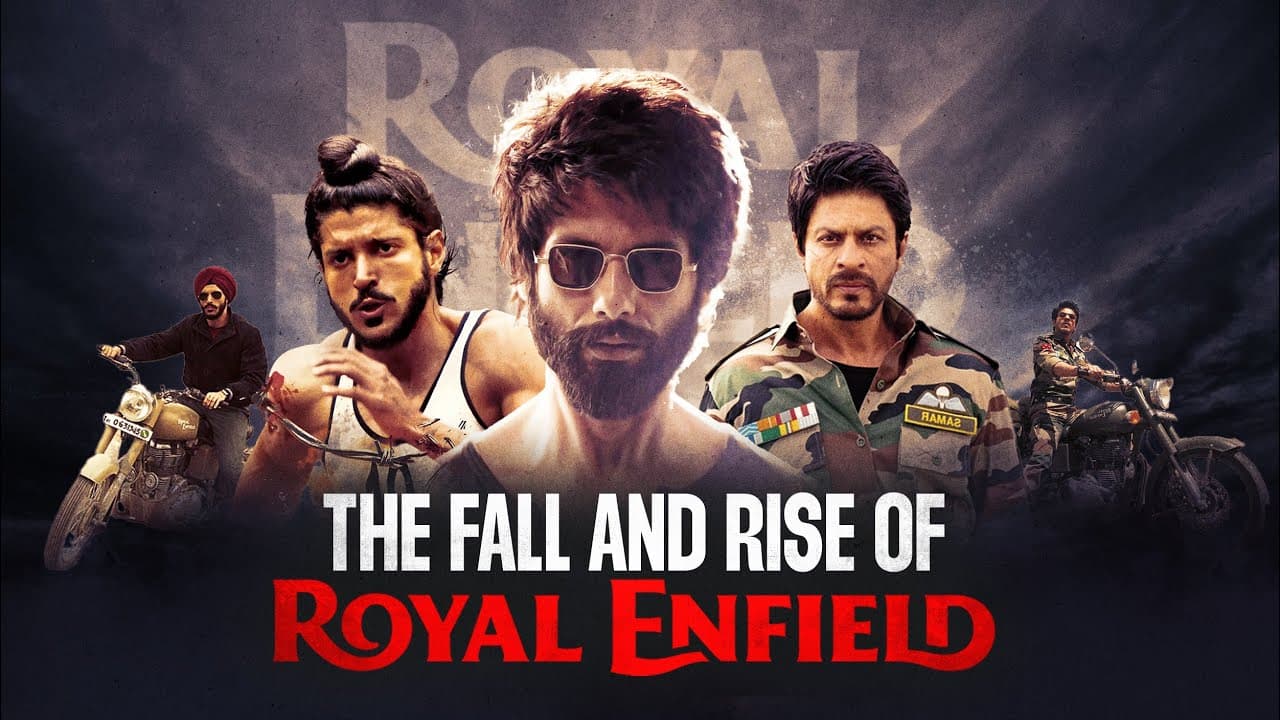
How did Sidhartha Lal save Royal Enfield from collapse?
TL;DR
Sidhartha Lal took over Royal Enfield when the company was near collapse and turned it around by focusing on four core areas and deep customer empathy. He rationalized the business portfolio, engaged directly with riders to uncover hidden issues, moved from a cast iron to an aluminium engine, and rebuilt the brand around aspiration and strong product quality, enabling rapid sales growth.
Transcript
hi everybody Royal Enfield is one of the most admired motorcycle brands in India the mighty Royal Enfield Bullet went around the world found its home in India where it became an icon it was the motorcycle that made Royal Enfield into a global brand this is the enery makes the royalfield the best motorcycle in the world no other manufacturer had bui... Read More
Key Insights
- Sidhartha Lal replaced 13 of 15 businesses to focus on four core areas, enabling clear execution and resource concentration.
- Empathy-driven market insight showed that customer pain points extended beyond design to packaging, maintenance, emissions, and after sales, guiding targeted improvements.
- Switching from a cast iron to an aluminium engine reduced weight by 15 to 20 kgs for a typical 350cc engine, improving handling and performance.
- The brand pivot aimed to make Royal Enfield aspirational while ensuring the product was modern and compliant with emissions norms.
- Customer conversations and rides allowed the company to identify six issues with the bikes that market research had missed.
- Addressing packaging damage, gasket and gearbox design flaws, and a kickstart legacy helped improve the initial customer experience.
- The strategic focus on brand value and product quality created a reinforcing loop that boosted sales from 25,000 to 920,000 units in a year by 2023.
- The revival relied on aligned leadership and a clear, pragmatic plan rather than reliance on external revival attempts by others.
- More videos from this channel:
- More from this channel: Think School
Install to Summarize YouTube Videos and Get Transcripts
Explore YouTube Video Summarizer or Get YouTube Transcript Extractor
Questions & Answers
Q: What led to the initial plan to revive Royal Enfield under Sidhartha Lal?
Sidhartha Lal faced a company on the brink of shutdown after previous revival attempts by a UK company, Madras Motors, and Eicher Motors had failed. He persuaded the board to give one final chance, and his approach combined internal focus and customer insight to create a sustainable path forward rather than a quick fix.
Q: Why was portfolio rationalization the first step in the turnaround?
Portfolio rationalization involved selling 13 of 15 businesses that Eicher operated to stop scattered brilliance and instead win with four focused areas. This allowed the team to concentrate resources, attention, and strategy on the bike business, enabling more consistent execution and stronger growth.
Q: How did empathy influence the turnaround strategy?
Empathy played a central role as Sidhartha Lal conducted road trips to talk to customers and later had employees do the same. This direct feedback revealed issues such as packaging damage, gearbox and engine design problems, maintenance costs, and a misalignment with customer expectations, driving concrete product and process changes.
Q: What were the six customer issues identified through empathic research?
The six issues were: damaged packaging during transport, separate gearbox and cast engine causing high maintenance, outdated engine not meeting emission norms, kickstart mechanism problems, poor sales and after sales experience, and a lack of emotional attachment to the brand compared to cheaper rivals.
Q: What major engineering change supported the revival, and why was it effective?
The shift from a cast iron engine to an aluminium engine reduced weight by 15 to 20 kgs for a typical 350cc engine. This lighter design improved handling and acceleration, lowered maintenance effort, and contributed to making the bikes more appealing and competitive against newer rivals.
Q: How did the changes affect Royal Enfield’s market performance?
The changes created a virtuous cycle where improved product quality and brand aspiration increased demand, allowing sales to grow from 25,000 units a year to 50,000, then 100,000, 200,000 and eventually 400,000 units, reaching 920,000 units in a single year by 2023, while expanding to 50 countries.
Q: What role did branding and aspiration play in the turnaround?
Brand aspiration was central to attracting customers who valued the emotional connection to the Royal Enfield story. By aligning the product improvements with a strong, desirable brand image, the company could justify premium pricing and cultivate loyalty, contributing to sustained sales growth and international expansion.
Q: What lessons can other businesses learn from this turnaround?
Key lessons include focusing on core competencies rather than diversified portfolios, using deep customer insight to guide product and process changes, and aligning branding with practical product improvements. Practical leadership and deliberate, evidence-based changes outperformed attempts at revival through external sponsorship or ad hoc interventions.
Summary & Key Takeaways
-
Sidhartha Lal led a near shutdown turnaround for Royal Enfield by concentrating on four focused businesses and abandoning scattered ventures.
-
Empathy with customers revealed six core bike issues from packaging to sales experience, guiding product and process changes.
-
Engine redesign to aluminium dramatically reduced weight, improving handling and efficiency, underpinning the revival in sales and brand strength.
Read in Other Languages (beta)
Share This Summary 📚
Summarize YouTube Videos and Get Video Transcripts with 1-Click
Try YouTube Summary with ChatGPT & Claude or YouTube Transcript Generator
Explore More Summaries from Think School 📚





Summarize YouTube Videos and Get Video Transcripts with 1-Click
Try YouTube Summary with ChatGPT & Claude or YouTube Transcript Generator