How did Patanjali grow so fast and then fall?
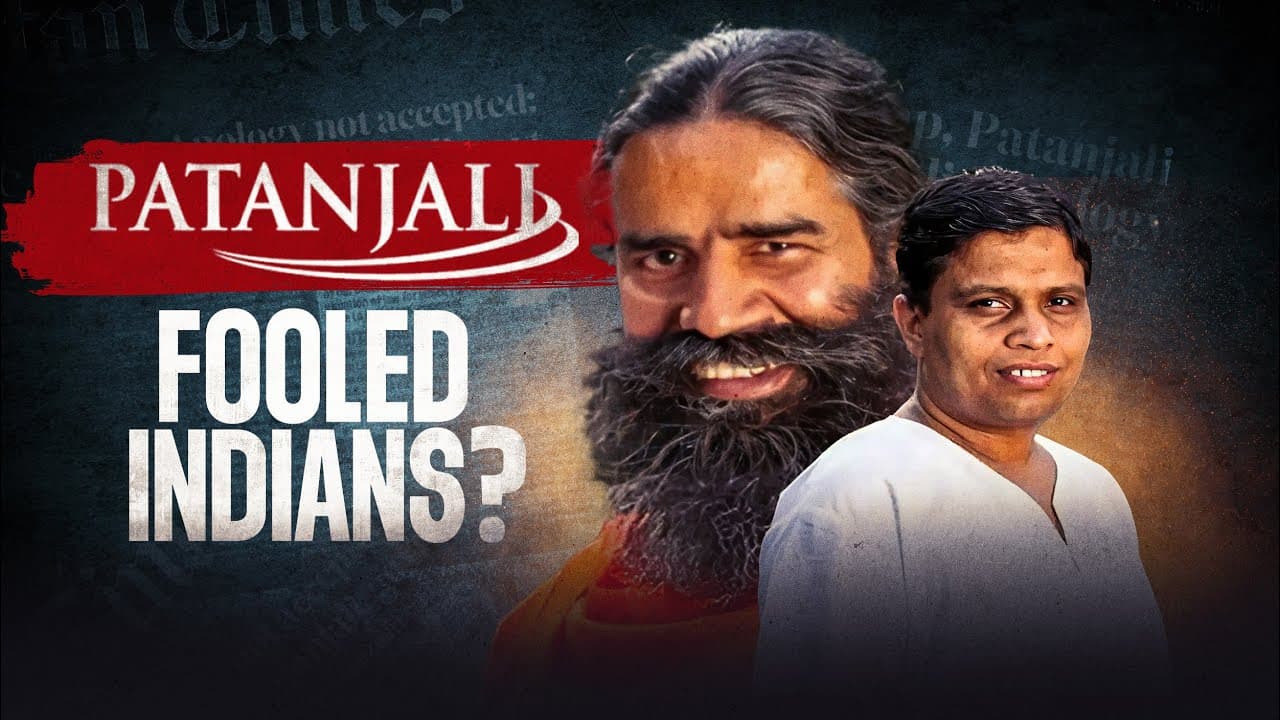
TL;DR
Patanjali exploded in the Indian FMCG space, reaching 10,730 crores in 18 years and a total group revenue of 45,000 crores, but later faced a sharp downturn due to quality issues, misleading ads, and court cases. Revenue fell 10% from 2017 to 2018 and profits nearly halved, with numbers remaining stagnant years later.
Transcript
hi everybody pangali has seen one of the most Sensational growth stories in the history of India pangali has taken the country by storm a tectonic shift to Indian fmcg marketing today is what Baba Ram is doing banelli Aur has disrupted the fmcg space pangali is in every single sector Aura is now India's fastest growing consumer products brand and t... Read More
Key Insights
- Patanjali achieved rapid scale by aligning with cultural narratives and a wellness lifestyle, leveraging Ramdevs influence to drive consumer trust and fast adoption across categories.
- The distribution model used by Patanjali involved super distributors purchasing outright from the company, shifting inventory risk away from Patanjali and enabling rapid geographic penetration to squeeze competitors.
- Retail partnerships and in-store branding along with clinics and freemium touchpoints created a comprehensive ecosystem that amplified product reach beyond traditional channels.
- Brand positioning centered on natural, Ayurvedic products with a “making India” narrative, reinforcing consumer loyalty through national pride and perceived affordability.
- The timing of Patanjalis expansion coincided with favorable market sentiment towards native brands, allowing faster scaling than many rivals.
- Quality issues and misleading claims attracted scrutiny from the Supreme Court and regulators, undermining consumer confidence and prompting regulatory crackdowns.
- Financially, the business showed a dramatic peak in revenue before experiencing a steep decline in profitability and stagnation, highlighting the fragility of growth based on branding and distribution without sustained governance.
- The case emphasizes how marketing strength must be balanced with product integrity and regulatory compliance to sustain long-term value.
- More videos from this channel:
- More from this channel: Think School
Install to Summarize YouTube Videos and Get Transcripts
Explore YouTube Video Summarizer or Get YouTube Transcript Extractor
Questions & Answers
Q: How did Patanjali achieve rapid revenue growth in 18 years?
Patanjali leveraged the founder Ramdevs mass appeal in yoga and wellness to build a trusted health brand that resonated with Indians seeking natural products. They combined a strategic distribution model with chalked branding around Ayurveda, making the products appear affordable and culturally rooted. This enabled swift market penetration, expanded SKU lines, and rapid revenue gains across sectors, culminating in a group revenue of 45,000 crores in 18 years.
Q: What was the core distribution strategy Patanjali used?
The core strategy involved super distributors who bought goods outright from Patanjali, then distributed to multiple tier distributors and retailers. This model shifted inventory risk away from the company and enabled aggressive expansion. Retail partners also benefited from branding and a small commission on sales, while clinics and kendras expanded touchpoints and credibility, driving widespread adoption.
Q: What led to the downturn in Patanjalis finances after 2017?
The downturn was driven by a combination of regulatory scrutiny over misleading ads and product claims, quality issues, and licensing problems. As legal cases and penalties mounted, consumer trust weakened, distribution networks faced friction, and profits declined by nearly half, with revenue growth stalling over subsequent years, eroding earlier gains.
Q: How did branding influence Patanjalis early success?
Branding tied Patanjali to traditional Indian culture and the national pride of making India. The public persona of Baba Ramdev added credibility and mass appeal, reinforcing perceptions of natural, affordable and trustworthy products. This narrative converted cultural affinity into rapid consumer adoption across diverse FMCG categories.
Q: What role did the making India narrative play?
The making India narrative reinforced patriotism and local empowerment, positioning Patanjali as a homegrown alternative to global brands. This resonance boosted consumer affinity, helped secure distribution channels, and supported pricing strategies that emphasized value. The alignment with national sentiment amplified growth momentum during the expansion phase.
Q: What were the significant legal and ethical challenges faced?
Patanjali faced misleading advertising scrutiny, court involvement, and license issues due to claims made about products. Regulatory pushback and negative publicity impacted consumer trust, leading to revisions in advertising practices, tighter compliance, and reputational damage that undermined long term market performance and investor confidence.
Q: How did the company construct its retailer ecosystem?
Patanjali built a retailer network by partnering with stores to use Ramdevs image for branding and offering a 1 percent commission to super distributors for sales by freelance retailers. This created a widespread, brand-centric retail footprint, enabling dense market coverage and reinforcing the perception of Patanjali as a trusted, accessible brand across urban and rural areas.
Q: What lessons can be learned for future FMCG brands from this case?
Key lessons include balancing aggressive growth with robust governance, ensuring truthful advertising and clear product claims, maintaining consistent quality across all SKUs, and building resilience through diversified channels while protecting brand credibility. A sustainable model combines strong branding with regulatory compliance and reliable supply chains to maintain long term success.
Summary & Key Takeaways
-
Patanjali surged through rapid branding, a culturally aligned image, and strategic distribution, enabling fast market penetration and high revenue in under two decades. This growth relied on a combination of celebrity endorsement through Baba Ramdev and a focus on Ayurvedic products that resonated with Indian consumers.
-
The company faced critical missteps related to advertising ethics and product claims, leading to legal scrutiny and reputational damage. These issues disrupted distribution, user trust, and regulatory support, causing revenue and profit declines that outpaced the early gains of the growth phase.
-
The video analyzes the rise driven by Ramdevs public persona and a unique wholesale distribution system, then dissects the downturn caused by governance concerns, quality problems, and the impact of legal actions on ongoing business momentum.
Read in Other Languages (beta)
Share This Summary 📚
Summarize YouTube Videos and Get Video Transcripts with 1-Click
Try YouTube Summary with ChatGPT & Claude or YouTube Transcript Generator
Explore More Summaries from Think School 📚






Summarize YouTube Videos and Get Video Transcripts with 1-Click
Try YouTube Summary with ChatGPT & Claude or YouTube Transcript Generator