How to turn anxiety into confidence with two words
TL;DR
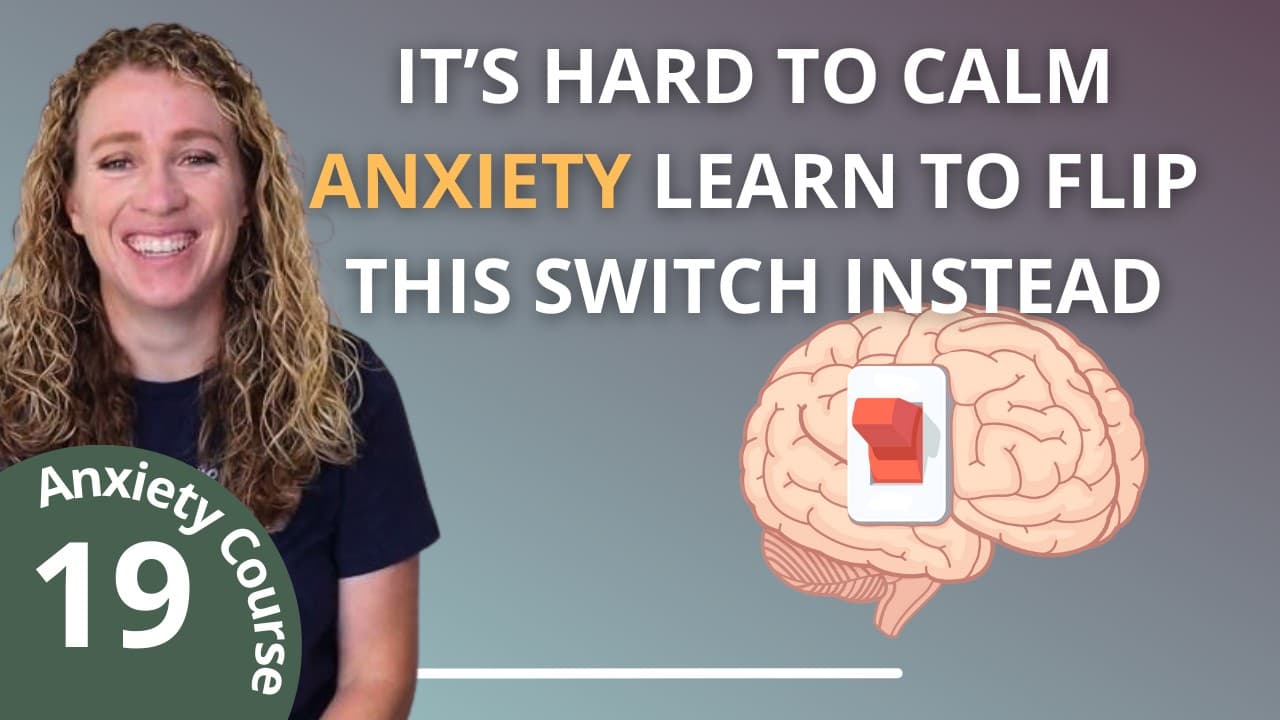
Saying I am excited flips anxiety into opportunity by shifting from a threat mindset to a curiosity driven one. The two word tactic leverages the body’s same physiological response for anxiety and excitement, enabling action and better performance in public speaking, tests, and daily challenges. A practical approach includes labeling anxiety as excitement, visualizing positives, and rewarding progress.
Transcript
There is a simple shift you can use to transform your anxiety in two words, and in this video you'll learn how to do it. So one time when I was working in the desert in an outdoor therapy program with youth, we had a super hot week, like July in Utah, and the temps hit over 100° F every day, and it was hot and sweaty and exhausting. And one day... Read More
Key Insights
- Anxiety and excitement share the same physiological response, so changing interpretation can change experience
- Two words are enough to switch from a threat mindset to an opportunity mindset and improve performance
- Saying I am excited converts nervous energy into productive energy and helps take decisive action
- Reframing fear as excitement can reduce catastrophizing and increase confidence during high pressure moments
- Visualizing positive outcomes and affirming capabilities supports sustained emotional regulation
- Predicting anxiety and normalizing it as a sign of care or importance makes it easier to manage
- The strategy applies across contexts from public speaking to parenting and work challenges
- A practical implementation plan includes identifying fears, reframing, visualizing outcomes, affirming self belief, acting, and rewarding success
- More videos from this channel:
- More from this channel: Therapy in a Nutshell
Install to Summarize YouTube Videos and Get Transcripts
Explore YouTube Video Summarizer or Get YouTube Transcript Extractor
Questions & Answers
Q: How can I use two words to reduce anxiety before a speech
The two word technique suggests saying I am excited to transform the energy of nerves into readiness. Start by labeling the feeling as excitement, then visualize positive outcomes such as a clear voice and strong presence. This reframing moves you from a threat mindset to an opportunity mindset, which has been associated with improved performance in speeches and other performances.
Q: What is the basic idea behind flipping anxiety into confidence
The core idea is that anxiety and excitement are the same physiological state. By intentionally interpreting the sensation as excitement you shift focus from fear of failure to anticipation of positive results. This simple reinterpretation changes how you respond, enabling action rather than paralysis.
Q: Why is it easier to switch from anxiety to excitement than to calm
Calming down requires suppressing activated emotion, which can be difficult and counterproductive. Switching to another activated emotion like excitement leverages the same physiology to propel action. The approach reduces the need for suppression and aligns energy with action, making it easier to perform under pressure.
Q: How can this technique help in everyday work situations
When facing challenging tasks or interactions, framing anxiety as excitement creates a sense of interest and care about the outcome. It encourages you to take proactive steps, stay engaged, and approach problems with energy instead of avoiding them, which can improve performance and relationships.
Q: What steps accompany the two word method for best results
Steps include getting specific about what you fear, reframing it as excitement, visualizing positive outcomes, using affirmations such as I am capable, converting energy into action, and rewarding yourself after success. This creates a loop of anticipation, action, and reinforcement that strengthens the new mindset.
Q: Can this approach work for parenting or everyday interactions
Yes, by reframing discomfort or stress as excitement, you can model a constructive response to challenging moments. This helps children learn resilience while maintaining composure. The approach can transform stress into a signal of importance, prompting proactive handling rather than avoidance.
Q: What role do comments or social feedback play in this method
Supportive feedback reinforces the reframing, validating that turning anxiety into excitement is effective. Positive comments from others can help individuals feel capable and more willing to engage in brave actions, strengthening confidence and consistency in applying the two word technique.
Q: Is there a suggested mindset for ongoing practice
Practice involves normalizing anxiety as part of pursuing meaningful goals, predictably framing tense moments as opportunities, and continually applying the two word shift. Over time this consistent practice builds a habit of turning nerves into constructive energy and improves overall performance.
Summary & Key Takeaways
-
The video presents a two word technique to transform anxiety into confidence by reframing the emotion, making it easier to act rather than be overwhelmed. It emphasizes that anxiety and excitement share the same physiological basis and can be redirected toward performance. Practical steps include visualization and positive self talk.
-
It argues that many anxiety management strategies aim to calm down, which is hard, whereas switching to excitement is often easier and more effective for sustaining action. The approach is supported with examples from public speaking, sports, and parenting, illustrating how energy can be channeled into constructive outcomes.
-
The guidance culminates in a concrete implementation plan: specify fears, reframe as excitement, visualize outcomes, use affirmations, act on the moment, and reward progress to reinforce the new mindset.
Read in Other Languages (beta)
Share This Summary 📚
Summarize YouTube Videos and Get Video Transcripts with 1-Click
Try YouTube Summary with ChatGPT & Claude or YouTube Transcript Generator
Explore More Summaries from Therapy in a Nutshell 📚


Summarize YouTube Videos and Get Video Transcripts with 1-Click
Try YouTube Summary with ChatGPT & Claude or YouTube Transcript Generator