How to act confidently without waiting for approval
TL;DR
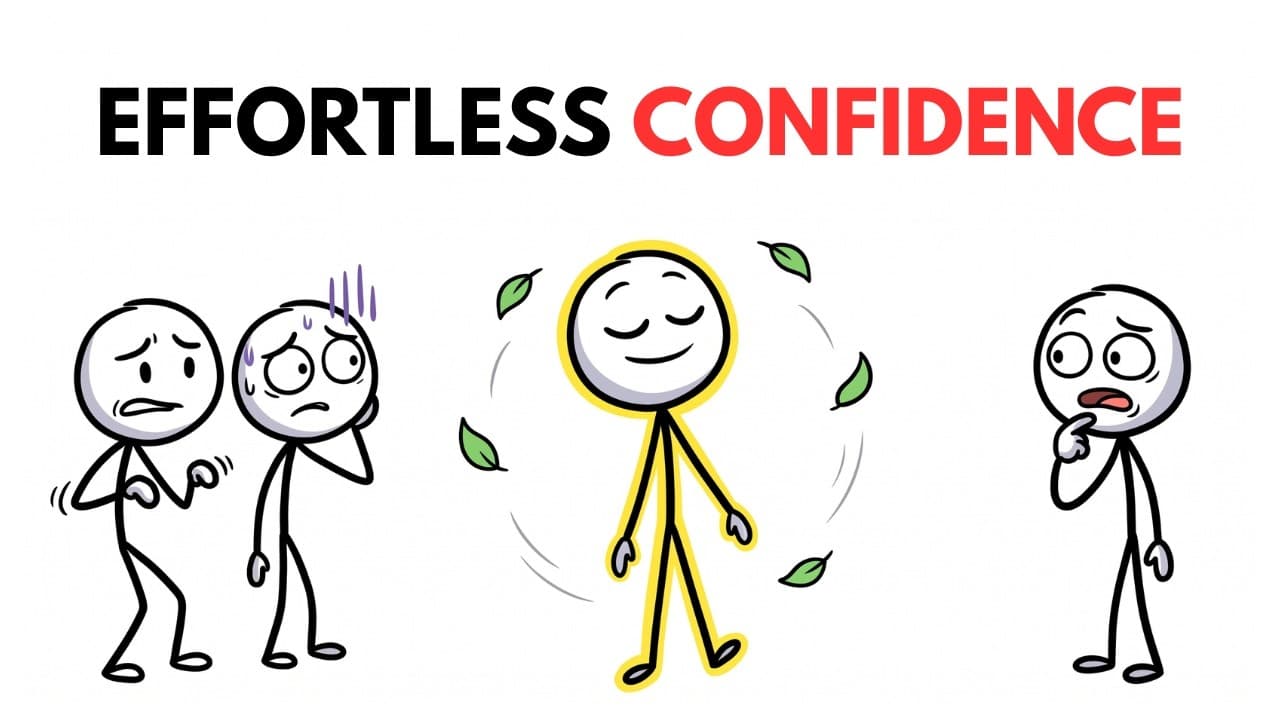
The real driver of confident action is reducing the entry fees you charge yourself. You do not need to feel more confident, you need to stop waiting for approval, certainty, readiness, and a verdict on yourself. Act first, then the feeling often follows as a byproduct.
Transcript
There is one question you can ask about anybody that will tell you exactly how confident they are and it has nothing to do with how loudly they speak or how straight they stand. The question is this. What does this person need before they will act? Watch someone closely enough and the list appears. One person needs to know the room already agrees b... Read More
Key Insights
- Confidence is a pricing problem, not a feeling that you must fuel. The currency to act is the willingness to pay the entry fees and begin.
- There are four entry fees before you speak: approval, certainty, readiness, and a verdict on yourself. Each one delays action and is optional if you choose to proceed anyway.
- Approval is about needing others to bless your idea; it can be reclaimed by deciding to move before signatures are gathered.
- Certainty masquerades as standards, but the future cannot be fully predicted and waiting for it is a stall tactic.
- Readiness is manufactured on site; action creates the readiness you need, not the other way around.
- A verdict on yourself is a self-imposed judgment that stalls action; you only know what you can do by doing it.
- Dominance can force attention quickly but is costly; prestige and shared competence build sustainable influence.
- The path to effortless confidence is to reduce reliance on external validation and start moving, letting outcomes refine your self-concept clarity.
Install to Summarize YouTube Videos and Get Transcripts
Explore YouTube Video Summarizer or Get YouTube Transcript Extractor
Questions & Answers
Q: A real search query question about the video (e.g. 'How to...', 'What is...', 'Why does...', 'When should...'). Question 1
What is the four part framework that blocks action and how can you identify which one is most expensive for you? The video explains four prerequisites: approval, certainty, readiness, and a verdict on yourself. By vocalizing I will do it once blank, you reveal the specific prerequisite you are waiting to satisfy. Recognizing this allows you to begin despite the absence of perfect conditions, reducing hesitation and increasing momentum.
Q: Question 2
Why does seeking certainty before starting mislead people into thinking they are being thorough? The content describes certainty as a false forecast about the future. It functions as a disguise that hides fear of risk and failure. Because future events cannot be fully foretold, waiting for certainty delays action, and the act of moving actually helps you learn and adjust.
Q: Question 3
How does readiness relate to action and how can you create it on the fly? Readiness is not a prerequisite that appears before doing something; it is produced by beginning and moving forward. The video emphasizes that you develop competence and comfort only after you have started, through repeated practice and adjustment in real time.
Q: Question 4
What does the verdict on yourself entail and why is it detrimental? A verdict on yourself is a self judgment about whether you are the kind of person who does the thing. The video notes that this verdict often never comes because people keep re evaluating themselves. The result is chronic self analysis that blocks action.
Q: Question 5
What is the difference between dominance and prestige in influencing a group, and which builds lasting confidence? Dominance creates quick attention through fear and requires constant maintenance, while prestige relies on freely shared competence to earn respect. Prestige builds a more stable form of influence and aligns with sustainable confidence in social settings.
Q: Question 6
Why is belief in yourself not the core driver of action, according to the video? The video cites evidence that feeling good about yourself does not reliably produce doing well. Instead, action reduces the need for external validation, and results later reinforce self concept clarity, improving future performance.
Q: Question 7
How can you apply the I will do it once blank exercise to identify your personal barrier? By saying aloud I will do it once I know it will work or I will do it once I feel more prepared, you surface the exact prerequisite you insist on. This simple act exposes the irrational conditions delaying action and prompts you to proceed anyway.
Q: Question 8
What practical steps can someone take to reduce the entry fees in daily life? Start by identifying which fee is most expensive for you and begin with a small, imperfect action. Practice moving in the face of uncertainty, seek feedback after taking action, and reinterpret external approval as optional rather than required for progress. This creates forward momentum and refines self concept clarity.
Summary & Key Takeaways
-
You will learn that confidence is not a fixed feeling but a pricing problem in your mind. The video identifies four entry fees that delay action: approval, certainty, readiness, and a verdict on who you are. It argues that success comes from acting despite these doubts.
-
Dominance exercises and prestige both influence groups, but lasting confidence comes from prestige style, which relies on earned respect rather than fear. The audience is guided to move through action with less reliance on external validation or perfect conditions.
-
The recommended shift is to stop waiting for permission from others. Instead, finish the sentence I will do it once blank aloud to identify personal prerequisites. The workflow emphasizes taking imperfect steps and letting subsequent outcomes shape confidence.
Read in Other Languages (beta)
Share This Summary 📚
Summarize YouTube Videos and Get Video Transcripts with 1-Click
Try YouTube Summary with ChatGPT & Claude or YouTube Transcript Generator
Explore More Summaries from PsychToons 📚

Summarize YouTube Videos and Get Video Transcripts with 1-Click
Try YouTube Summary with ChatGPT & Claude or YouTube Transcript Generator