How to stop caring about the wrong things
TL;DR
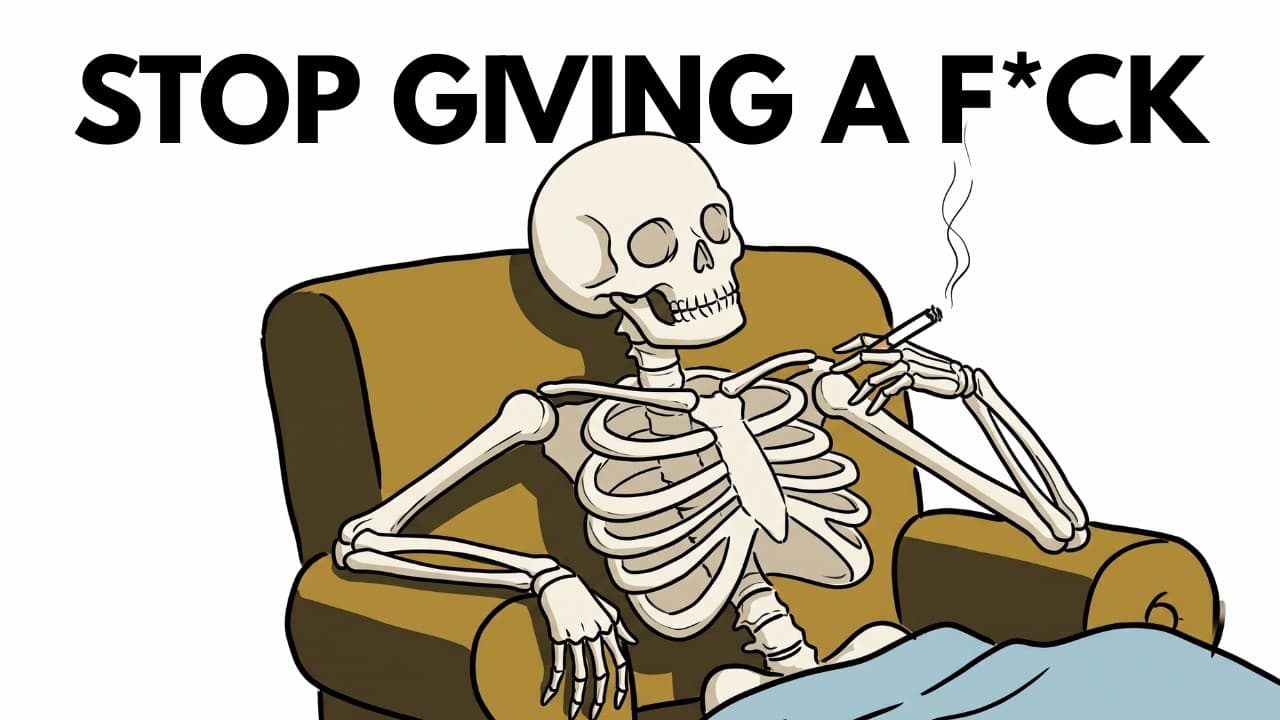
Caring is driven by attention which makes things feel important. To stop caring about the wrong things you must limit what you let in, focus on what truly matters, and push back against borrowed concerns. Start by naming what matters, asking long term questions, and cutting off sources that borrow your attention.
Transcript
The people who seem like they don't care about anything usually care just as much as you do, sometimes more. You've met them. The co-worker who reads the angry email, says, "Okay." and goes to lunch. The friend who hears the gossip and quietly changes the subject. The person who never gets dragged into the comment wars or the group chat meltdowns. ... Read More
Key Insights
- Caring derives from attention that marks items as important.
- Borrowed fights spread through feeds and can consume time without personal consent.
- Borrowed scoreboards trigger comparison and lower well being by external validation.
- Borrowed urgency creates false deadlines that disrupt meaningful priorities.
- Focusing illusion makes something seem more important the longer you view it.
- Three main leakage points are fights, scoreboards, and urgency that steal care.
- Effective care management requires reframing attention to subjects you choose.
- Practical fixes include naming your few concerns and asking long term questions.
Install to Summarize YouTube Videos and Get Transcripts
Explore YouTube Video Summarizer or Get YouTube Transcript Extractor
Questions & Answers
Q: How can I start stopping care for the wrong things today
Begin by identifying one or two concerns you actually value and explain why they matter to you in concrete terms. Then observe when you are pulled toward borrowed fights, borrowed scoreboards, or borrowed urgency. Replace those moments with a quick check of whether the issue aligns with your chosen concerns and adjust your focus accordingly. This creates immediate momentum toward selective caring.
Q: What is the focusing illusion and how does it affect care
The focusing illusion is the idea that when you look at something long enough it starts to feel crucial. It shapes attention into perceived importance, causing you to invest energy in things that may not truly matter in the long run. Recognizing this helps you resist amplifying unimportant issues and maintain steadier priorities.
Q: How do borrowed fights affect daily life
Borrowed fights draw you into conflicts you did not choose and drain energy without improving your own situation. They arrive through social feeds and news, then linger, increasing stress and narrowing attention on issues that do not align with your personal concerns. Reducing exposure to such content protects your emotional bandwidth.
Q: What role do borrowed scoreboards play in wellbeing
Borrowed scoreboards measure success by others’ recognitions rather than intrinsic values. This leads to lower vitality and more physical symptoms as people chase external validation. By clarifying your intrinsic goals like relationships and personal growth, you can reduce this external pressure and improve overall wellbeing.
Q: How can borrowed urgency be recognized and countered
Borrowed urgency appears as deadlines that compel you to drop current tasks for less important ones. By pausing to ask if a deadline truly serves your long term goals, you can choose to delay or decline the task. Building in personal time helps protect important tasks from being displaced by noise.
Q: What does it mean to name your few concerns
Naming your few concerns means clearly listing the key things you want to care about and protecting them from being crowded out by noise. This simple act creates a filter for attention, making it easier to discern what deserves energy and what should be let go, which reduces mental clutter.
Q: What is the ten year question and how helps self control
The ten year question asks whether a present action or concern will still matter in a decade. If the answer is no, it is often not worth your immediate focus. This long term perspective aligns daily choices with enduring values, curbing reactive caring and keeping attention on meaningful goals.
Q: How can you cut off the lenders of your attention
Cutting off lenders involves reducing exposure to external sources that siphon your focus such as certain apps, feeds, or social comparisons. It also means setting boundaries around interruptions and practicing selective engagement. By limiting these inflows, you preserve energy for your chosen concerns and improve mental clarity.
Q: What if someone tells you not to care
If someone urges you not to care, remember that effective care is inwardly directed and aligned with your values. You should differentiate between genuinely harmful things and noise. By focusing on your defined concerns you protect your energy while remaining compassionate toward others and maintaining healthy relationships.
Summary & Key Takeaways
-
The video explains that attention manufactures importance and that emotions arise from concerns, which are things you care about. It emphasizes that many concerns are borrowed from fights, scores, and urgent deadlines that flood attention. The solution is to reallocate care toward what you personally value over external noise.
-
Three actionable principles are offered to reclaim attention: name your few true concerns, ask the ten year question to test urgency, and cut off lenders who drain your focus. These steps help restore prioritization and reduce stress from borrowed cares.
-
A cautionary note is given about readers who have stopped caring about everything, stating this is a different experience requiring professional help, while the main focus is on caring too much in too many places and how to fix that misallocation.
Read in Other Languages (beta)
Share This Summary 📚
Summarize YouTube Videos and Get Video Transcripts with 1-Click
Try YouTube Summary with ChatGPT & Claude or YouTube Transcript Generator
Explore More Summaries from PsychToons 📚
Summarize YouTube Videos and Get Video Transcripts with 1-Click
Try YouTube Summary with ChatGPT & Claude or YouTube Transcript Generator