Why Are Some People Built to Walk Alone?
TL;DR
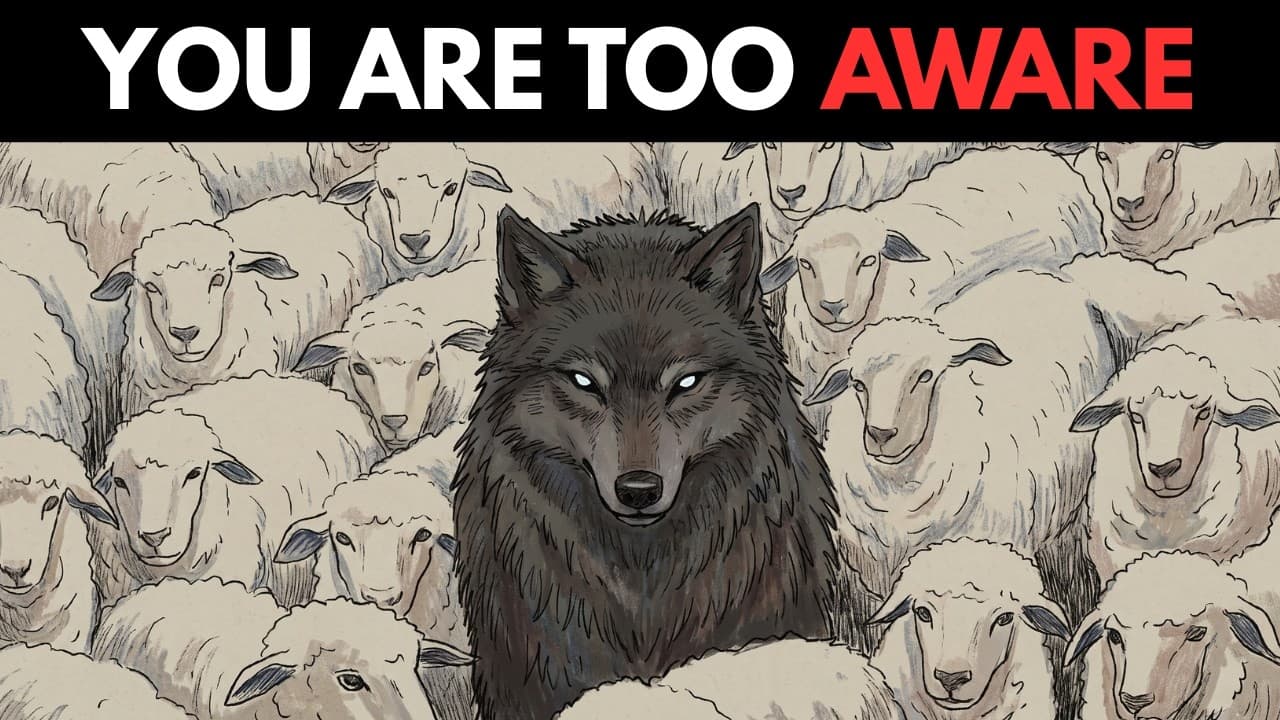
Some people have a design for solitude that restores their nervous system. Loneliness comes when alone time is denied, not from solitude itself. The video outlines five signs of a person built for solitude and explains the difference between loneliness and genuine solitude.
Transcript
Some people are meant to walk alone. And if you clicked on this video, part of you already suspects you're one of them. You felt it your whole life. At the party, surrounded by people who like you, there's a version of you standing slightly outside the moment, counting the minutes until you can leave. On the group trip, the best part isn't the dinn... Read More
Key Insights
- Aloneliness is the measurable distress of not getting enough time alone, not a defect in mood or social skills.
- Solitude can deactivate high arousal emotions and calm the nervous system within minutes when alone, according to the cited studies.
- Unsociability is a genuine affinity for being alone, distinct from shyness or introversion.
- Dispositional autonomy predicts solitude seeking, meaning self governed life direction drives solitude preference.
- A small, deeply loyal circle is preferred over many superficial relationships, reflecting a preference for depth over breadth.
- Signatures of being built for solitude include energy recovery in solitude and crowds that increase loneliness.
- The capacity to be alone is viewed as a developmental achievement, not a deficit, by Winnicott and related theorists.
- The pathway to belonging may involve reframing solitude as a homecoming rather than a defect to fix.
Install to Summarize YouTube Videos and Get Transcripts
Explore YouTube Video Summarizer or Get YouTube Transcript Extractor
Questions & Answers
Q: What is aloneliness and how is it measured in solitude research?
Aloneliness is described as the measurable distress of not getting enough time alone. It is distinguished from loneliness caused by a lack of connection and from normal feelings of quiet or downtime. In the studies referenced, researchers observed how solitude episodes reduce high arousal emotions and restore calm, indicating aloneliness is a specific physiological and psychological response to insufficient solitude rather than a general mood disorder.
Q: How does the video distinguish shyness from unsociability?
The video explains that shyness involves wanting connection but fearing it, whereas unsociability is a real, non fearful affinity for being alone. This distinction matters because unsociability represents a consistent preference for solitude rather than a temporary avoidance due to anxiety. Coplan’s work is cited to support this separation between avoidance and genuine preference.
Q: What replaces the idea that introversion predicts solitude seeking?
Research cited in the video overturns the assumption that introversion predicts solitude seeking. Instead, dispositional autonomy predicts solitude preference, defined as the tendency to run one’s life from the inside, guided by personal values rather than external social pressures. This reframes solitude as a self governed lifestyle choice rather than a trait linked to introversion.
Q: What are the five signs that someone is built to walk alone?
The five signs are: solitude charges you instead of just resting you; crowds make you lonelier than solitude; you can be sociable yet still walk alone, showing self governance; your circle is small but deep showing total commitment; you have stopped auditioning for belonging, choosing your own company over social approval. These signs reflect a fundamental personal architecture toward solitude.
Q: Why is solitude considered a developmental achievement by Winnicott?
Winnicott argued that the capacity to be alone is not a deficit but a developmental achievement, indicating a mature psyche. Being comfortable alone shows that a person can form their inner life independently of external validation. This aligns with the video’s framing that solitude can be a powerful, constructive mode rather than a failure to connect.
Q: How does the deactivation effect relate to time alone?
The deactivation effect describes the drop in high arousal emotions and a settling of the nervous system during solitude. It suggests that short periods of alone time can refresh mental and physiological states, making solitude a restorative condition. The effect disappears when another person is present, highlighting solitude as a unique internal state.
Q: What role does autonomy play in the preference for solitude?
Autonomy plays a key role as the tendency to govern one’s life from the inside. The video notes that people with high dispositional autonomy are more likely to seek solitude because they act according to their own compass rather than external expectations. This autonomy helps explain why some people prefer deep one on one bonds to many casual connections.
Q: What is the practical takeaway for someone who identifies with solitude?
The practical takeaway is to recognize that solitude is a genuine, internal mode of being, not a defect to fix. People who relate to solitude may benefit from embracing a small circle of depth over a large network, validating their built in need for quiet, unshared creative space, and reframing solitary time as a homecoming rather than absence.
Summary & Key Takeaways
-
A detailed look at how certain people are predisposed to solitude, including the distinction between shyness and unsociability and the concept of aloneliness, the measurable distress from not getting enough time alone.
-
The video reviews key research findings that solitude can deactivate high arousal emotions and calm the nervous system, and that this effect does not hold when other people are present.
-
Five signs are presented to help viewers identify if they are naturally built for solitude, emphasizing internal autonomy and deep, few relationships over broad social belonging.
Read in Other Languages (beta)
Share This Summary 📚
Summarize YouTube Videos and Get Video Transcripts with 1-Click
Try YouTube Summary with ChatGPT & Claude or YouTube Transcript Generator
Explore More Summaries from PsychToons 📚


Summarize YouTube Videos and Get Video Transcripts with 1-Click
Try YouTube Summary with ChatGPT & Claude or YouTube Transcript Generator