How to stop overdoing kindness with Machiavellian ideas
TL;DR
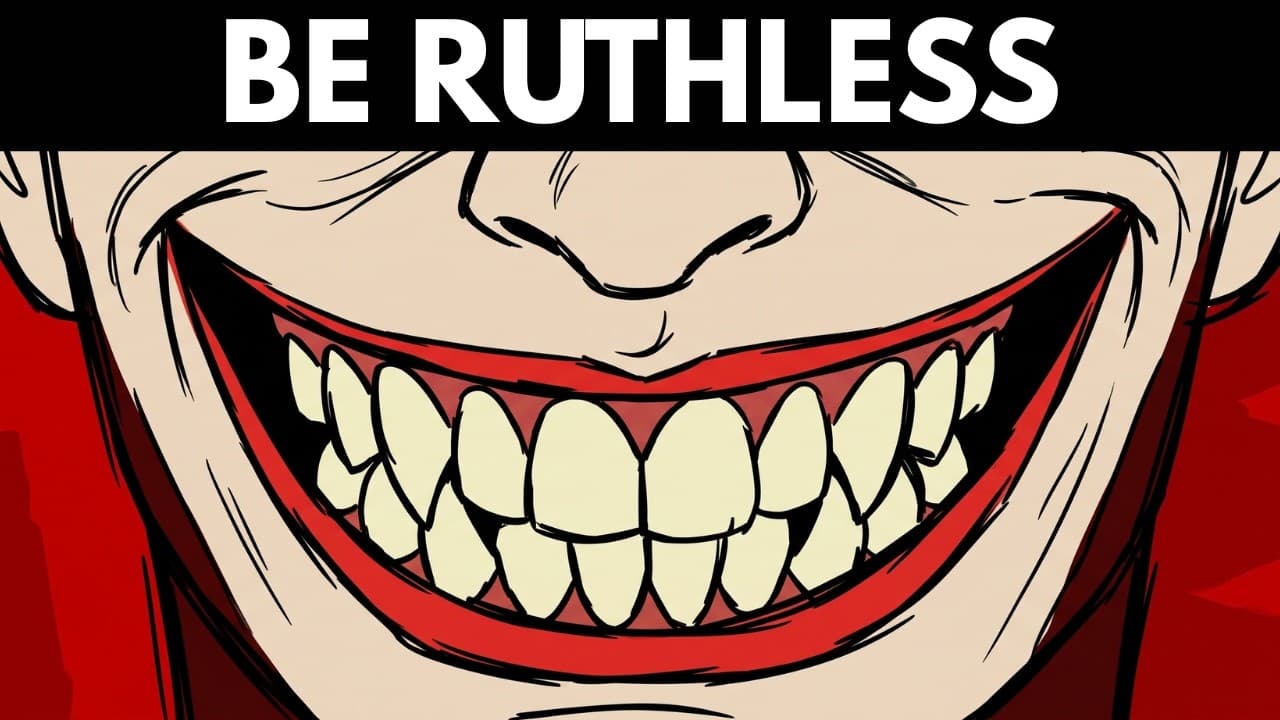
Machiavellian style wins by not trying to appear good, while excessive kindness backfires. High Mach traits predict success in short term negotiations, and the key is agency and planfulness with some antagonism, but true advantage comes from not overinvesting in others. The traps are going soft on important issues, over-giving, and auditioning for the good role.
Transcript
About 500 years ago, a Florentine diplomat who had just lost his job wrote a sentence people have been uncomfortable with ever since. A man who wishes to make a profession of goodness in everything must necessarily come to grief among so many who are not good. His name was Nicolo Mchavelli. The book was the prince and the world turned his name into... Read More
Key Insights
- Machiavellianism comprises three traits: antagonism, agency, and planfulness.
- In short-term face-to-face dealings, high Machs tend to win.
- High Machs win when they keep the outcome in view and do not over-distribute emotional energy.
- The three traps of good behavior are going soft on key issues, over-giving, and auditioning for moral credit.
- The best edge comes from deciding what you want before a moment arrives.
- Moral hypocrisy explains how people feel moral while benefiting from unfair acts.
- Over-emphasizing kindness can erode your own standards and effectiveness.
- The research shows that the manipulative part can predict career success, separate from intelligence or charm.
Install to Summarize YouTube Videos and Get Transcripts
Explore YouTube Video Summarizer or Get YouTube Transcript Extractor
Questions & Answers
Q: How does Machiavellianism influence negotiation outcomes in the workplace?
Machiavellianism influences negotiation outcomes by prioritizing the end result over maintaining a positive self-image. High Machs focus on what they want, set a plan beforehand, and act decisively when the moment arrives, which often leads to better deals in short-term, face-to-face negotiations. This approach works because it reduces hesitation and emotional overthinking that can derail a favorable agreement.
Q: What are the three traits that constitute Machiavellianism according to modern research?
Modern research identifies three core traits that constitute Machiavellianism: antagonism, which is the cold, distrustful, and manipulative side; agency, which involves ambition, confidence, and goal-oriented drive; and planfulness, which encompasses deliberate, organized thinking and restraint before acting. Together, these traits explain why high Mach individuals sometimes outperform others in competitive settings.
Q: Why can being too kind backfire in group dynamics?
Being too kind can backfire because generosity in excess may be seen as signaling, not substance, and can create resentment or a standard that others feel obligated to meet. In group dynamics, over-giving can cause the overachiever to appear as a burden or disrupt the balance of contribution, ultimately reducing one’s influence and perceived value within the team.
Q: What are the three traps that the soft touch falls into, according to the video?
The three traps are: going soft where it matters most, which lets important issues slip; giving past the line by overcommitting and failing to maintain boundaries; and auditioning for the role of the good one, which is a form of moral hypocrisy where the person seeks praise without paying the cost. These traps erode real influence and fairness.
Q: How does the concept of moral hypocrisy relate to the video’s message?
Moral hypocrisy describes wanting to appear moral while steering toward personal advantage. The video explains that people who flip for fairness often feel more moral for getting the best outcome, which reveals a discrepancy between self-perception and actual behavior. Recognizing this helps individuals resist superficial virtuousness and act with genuine integrity.
Q: What did the studies by Christie and Geis contribute to the Machiavellian framework?
Christie and Geis developed the Mach 4 questionnaire to measure Machiavellian tendencies. They showed that high scorers performed better in bargaining and bluffing scenarios, especially where room for improvisation existed, highlighting that emotional investment in others, not intelligence or charm, often determined success in these controlled settings.
Q: What does the video suggest is the real advantage of a Machiavellian mindset, not its cruel aspects?
The real advantage is the ability to decide what one wants in advance and to act without getting lost in the moment. This disciplined focus, combined with strategic calculation, allows high Mach individuals to win negotiations and influence outcomes without being consumed by the ethical self-image that often constrains softer approaches.
Q: How can someone take the Machiavellian edge without becoming unethical?
To gain the Machiavellian edge without unethical conduct, one can adopt clear objectives, set boundaries, and use strategic thinking while maintaining fairness and respect. The key is to separate effective decision making from gratuitous manipulation, ensuring actions align with personal values and do not exploit others beyond what is acceptable within professional norms.
Summary & Key Takeaways
-
In this video, the host explains that Machiavellianism is not a single trait but three interrelated traits: antagonism, agency, and planfulness, which together create an edge in certain social and work contexts. It emphasizes that the hard edge of strategy outperforms pure kindness in competitive, time-bound settings.
-
Research history is traced from Christie and Geis to modern work studies, showing how high Machs navigate short-term negotiations better by focusing on outcomes rather than moral self-image. The piece warns that over-emphasizing goodness can backfire and undermine real influence.
-
The video offers practical guidance to avoid moral hypocrisy and to leverage a non-empathetic stance without becoming cruel. It highlights three traps: going soft, over-giving, and auditioning for the role of the good one, and suggests adopting disciplined clarity about goals and boundaries.
Read in Other Languages (beta)
Share This Summary 📚
Summarize YouTube Videos and Get Video Transcripts with 1-Click
Try YouTube Summary with ChatGPT & Claude or YouTube Transcript Generator
Explore More Summaries from PsychToons 📚
Summarize YouTube Videos and Get Video Transcripts with 1-Click
Try YouTube Summary with ChatGPT & Claude or YouTube Transcript Generator