How to ace IELTS Speaking: tips and practice
TL;DR
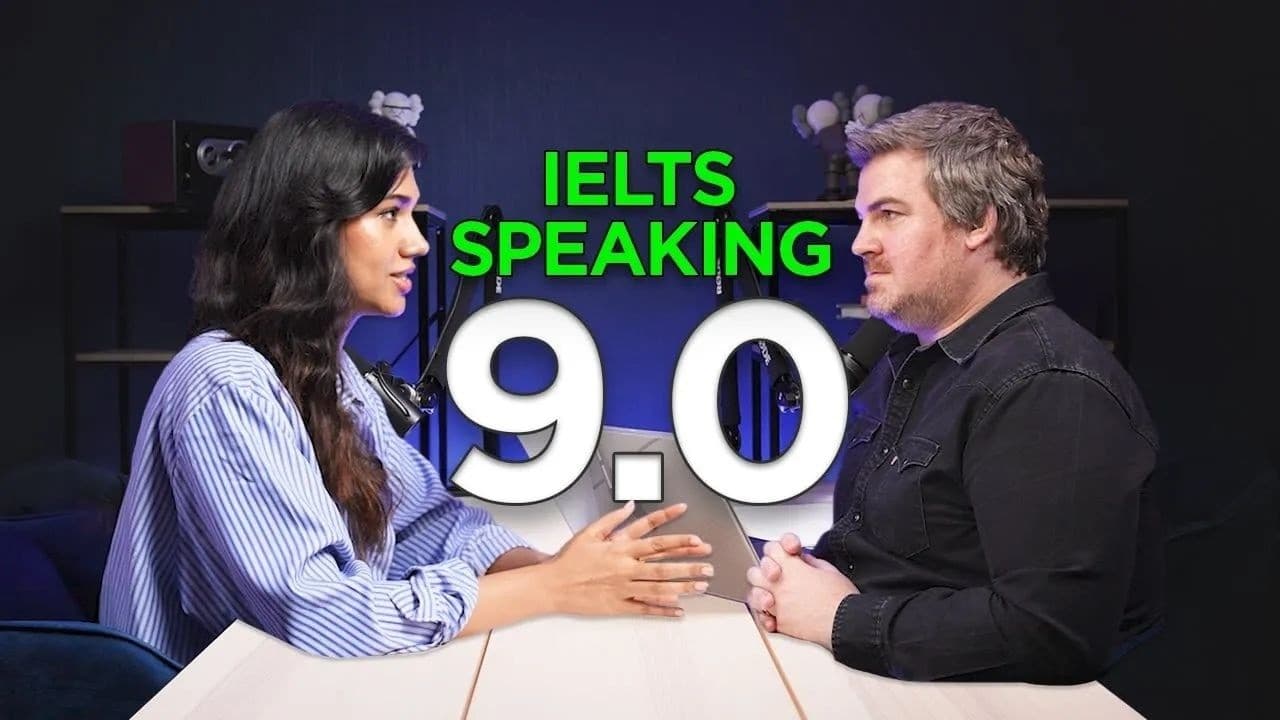
The video offers practical strategies to improve IELTS Speaking, including how to structure answers and how to handle topics like friends, birthdays, and pets. It also provides feedback cues on grammar and vocabulary and promotes a free course and practice questions for further improvement.
Transcript
we're going to start off by talking about art and photography do you like art H that's interesting um depends on what I like Cinema for instance movies music but I don't know too much about um paintings or Modern Art I'm not too familiar with so it depends on what kind of art do you like to take photographs yes I wouldn't say the photographs are go... Read More
Key Insights
- Art and photography preferences shape the starter questions and reveal how personal interests can be used to develop fuller responses. The key to success is linking opinions with specific examples and descriptive language.
- A preference for animals can be turned into a range of follow-up prompts about pets, wild vs domestic animals, and care routines, building a coherent narrative across questions.
- Bags and personal belongings are used to explore routine behavior and daily life, which helps demonstrate vocabulary for size, weight, and functionality in context.
- Birthday memories illustrate how past experiences influence current celebrations, showing the ability to compare timelines and express sentiment and tradition.
- Discussion of friendships and social dynamics demonstrates the importance of quality over quantity, while also addressing parental influence and social safety in online interactions.
- Online networking risks are highlighted as a cautionary area, encouraging the use of critical thinking and source verification when discussing online friends.
- Age and social development themes are used to contrast child and adult social dynamics, emphasizing adaptability and changing communication styles across life stages.
- Feedback and assessment cues are embedded in the talk, guiding learners on fluency, coherence, grammar, pronunciation, and vocabulary targets for improvement.
- More videos from this channel:
- More from this channel: IELTS Advantage
Install to Summarize YouTube Videos and Get Transcripts
Explore YouTube Video Summarizer or Get YouTube Transcript Extractor
Questions & Answers
Q: How to prepare for Part 1 questions about personal preferences in IELTS Speaking
To prepare for Part 1 prompts about personal preferences you should practice giving short clear opinions with a brief reason and a concrete example. Use everyday topics like art, pets, or daily routines to build comfort. Include descriptive detail to show vocabulary range and aim for a natural rhythm without overthinking.
Q: What makes a strong answer when discussing birthdays in IELTS Speaking
A strong answer should describe a specific memory or habit, compare past and present celebrations and explain why the change happened. Include sensory details or practical elements like food or activities to create a vivid picture. This shows you can extend beyond a simple yes or no.
Q: How to handle questions about friends and social life in IELTS Speaking
Handle this by outlining relationships with a focus on quality over quantity and by giving examples of meaningful interactions. Mention how friendships evolve with time, describe shared activities, and explain values or lessons learned. Use linking words to connect ideas and maintain coherence.
Q: What to say when asked about online communication and safety in IELTS Speaking
Address online communication honestly by noting benefits and risks, then provide a balanced view. Give examples of safe practices, such as verifying sources, avoiding excessive personal disclosure, and seeking reliable information. This demonstrates critical thinking and vocabulary for risk assessment.
Q: How to discuss animals and pets effectively in IELTS Speaking
Describe preferred animals with reasons, compare domesticated pets versus wildlife, and include daily care routines or temperament traits. Use descriptive adjectives and sensory details, and connect to a personal anecdote to enrich your response. This shows varied vocabulary and practical usage.
Q: How to explain the importance of routines when talking about bags or belongings
Explain routine usage by detailing what you carry, why you carry it, and how it changes by context (work, travel, or night out). Include measurements or weights if relevant, and practice sequencing to keep the answer organized. This demonstrates fluency and coherence.
Q: What should you do when asked to compare past and present experiences
When comparing past and present experiences, structure the answer with a clear timeline, provide reasons for changes, and conclude with insights learned. Use contrast phrases, and avoid repeating phrases. This shows ability to manage tense and develop a logical argument.
Q: How does the video suggest using feedback to improve IELTS scores
The video recommends focusing on four marking areas, listening to feedback on grammar and vocabulary, and applying tips to improve fluency and pronunciation. Use practice questions from PDF resources, sign up for feedback opportunities, and regularly practice speaking with guided prompts to raise performance.
Summary & Key Takeaways
-
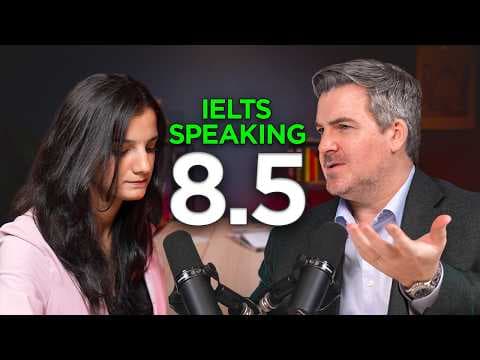
The video demonstrates a real IELTS speaking test with a focus on Part 1 and Part 2 style questions, illustrating how to answer with detail and personal examples. It emphasizes staying natural, using varied vocabulary, and maintaining fluency while addressing the prompts.
-
It highlights common topics such as art, animals, bags, birthdays, and friendships, and shows how to extend answers with explanations, comparisons, and reasoning to achieve coherence and a strong performance on the speaking test.
-
It ends with a promotional offer for a VIP course and a set of PDF practice questions, encouraging learners to practice at home and receive feedback to boost speaking scores.
Read in Other Languages (beta)
Share This Summary 📚
Summarize YouTube Videos and Get Video Transcripts with 1-Click
Try YouTube Summary with ChatGPT & Claude or YouTube Transcript Generator
Explore More Summaries from IELTS Advantage 📚
Summarize YouTube Videos and Get Video Transcripts with 1-Click
Try YouTube Summary with ChatGPT & Claude or YouTube Transcript Generator