How to start a safe longevity routine: exercise and sleep
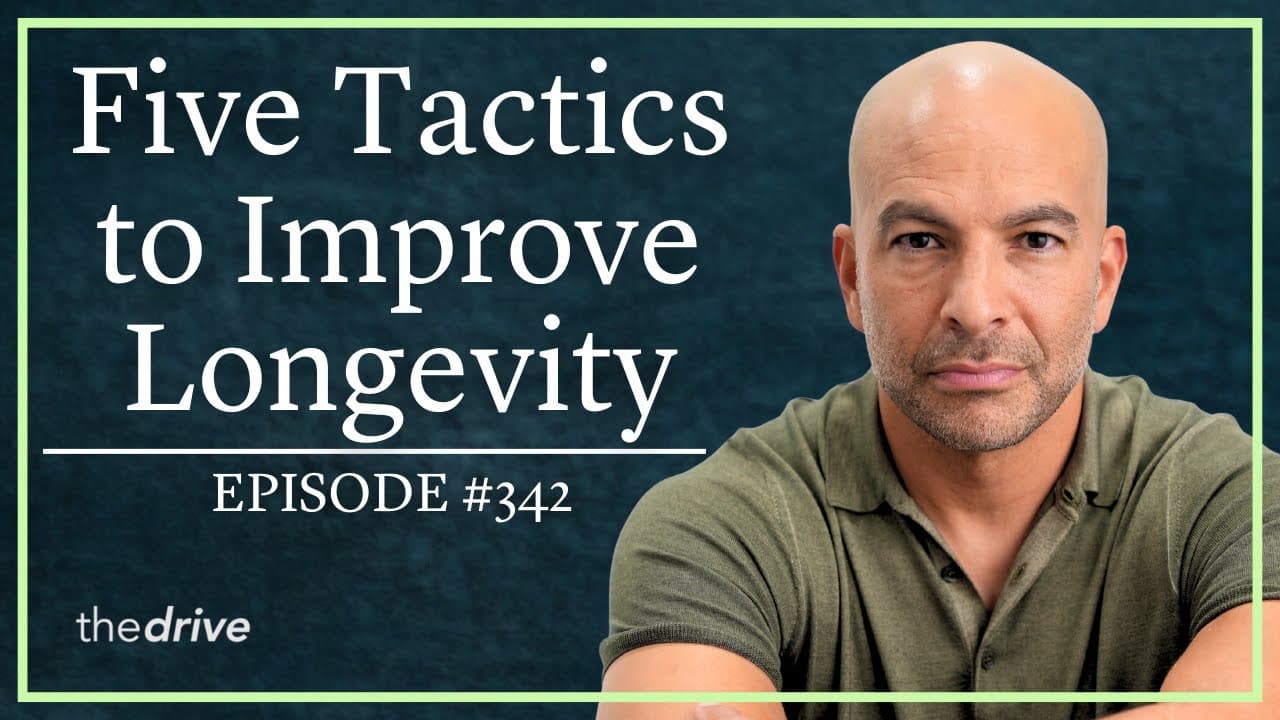
TL;DR
Exercise is the single most important lever for longevity, followed by protein rich nutrition and good sleep. Start with attainable activity, ensure enough daily protein, and optimize sleep timing and environment. Consider medications and supplements only after evaluating personal needs and medical advice, while also supporting emotional health for overall well being.
Transcript
Do you want to quickly walk through the tactics in your longevity toolkit and then from there we can go into detail on each of them? Yeah, I mean I think broadly speaking there are five buckets of things that we have control over um to to impact all of these things we're talking about. So one we just talked about exercise and you can probably tell ... Read More
Key Insights
- Exercise is the most impactful longevity factor, and starting a safe routine requires adapting to personal limitations and using professional guidance when needed.
- Protein intake is critical in aging, with a focus on achieving roughly one gram of protein per pound of body weight to counter anabolic resistance and maintain muscle mass.
- Sleep is essential for brain function and long term health, and consistent wake times, meal timing, and hydration management significantly influence sleep quality.
- Muscle related issues like sarcopenia can be mitigated by combining adequate protein with resistance training, regardless of diet type, as long as adherence to protein and training principles is possible.
- Dietary adherence hinges on practical principles rather than a universal diet, emphasizing not eating too much or too little and finding sustainable patterns for individuals.
- Medication and supplements should be considered cautiously, recognizing some can be life saving while others lack solid efficacy, underscoring personalized medical consultation.
- Emotional health is a core component of longevity, with mental well being as important as physical health in extending healthspan and quality of life.
- Active management of back pain and mobility can enable greater overall activity, challenging the belief that inactivity is safe for pain relief.
- More videos from this channel:
- More from this channel: Peter Attia MD
Install to Summarize YouTube Videos and Get Transcripts
Explore YouTube Video Summarizer or Get YouTube Transcript Extractor
Questions & Answers
Q: A realistic way to begin a longevity routine based on the video, question 1
Starting a longevity routine should begin with safe, attainable activity guided by a professional when needed. The goal is to get as active as possible without worsening any condition, recognizing that many people with back or joint issues can improve with proper conditioning and rehabilitation. Inactivity often worsens pain, so gradual progression and tailored exercises help reduce limitations while building consistency over time.
Q: Why is protein so important for aging, question 2
Protein is crucial for aging because muscles become harder to build as we age, a phenomenon called anabolic resistance. Consuming sufficient protein, roughly one gram per pound of body weight may help counter this effect, support muscle maintenance, and improve metabolic health. Tracking protein intake helps identify gaps and ensures adherence to this essential nutrient target.
Q: How does sleep affect longevity, question 3
Sleep quality and consistency affect both brain function and long term health. Aging can change sleep architecture and increase nocturnal awakenings, so strategies like timing water intake, limiting late meals, reducing alcohol, using a dark and cool sleep environment, and waking at a fixed time can stabilize sleep cycles and improve overall well being.
Q: What role do meals and timing play in sleep, question 4
Meal timing matters because longer intervals between dinner and bedtime improve sleep quality. Early dinners reduce late night metabolic activity and help align circadian rhythms. Combined with a consistent wake time and avoiding late alcohol consumption, this approach supports deeper sleep and better morning alertness.
Q: Should people consider melatonin or other sleep aids, question 5
Melatonin can aid sleep initiation as natural levels decline with age, but it is not a cure-all. It should be used prudently and ideally under medical guidance to avoid dependency and interactions. The key is to focus on non pharmacological sleep strategies first, reserving supplements for specific cases.
Q: How should one weigh medications and supplements for longevity, question 6
Medications and supplements should be evaluated on the basis of their proven efficacy and safety for the individual, recognizing that some can be life saving while others are questionable. A medical professional can help tailor a plan that aligns with personal health goals, risks, and existing conditions, avoiding unnecessary or potentially harmful choices.
Q: What is the impact of emotional health on longevity, question 7
Emotional health supports longevity by influencing stress management, motivation for healthy behaviors, and cognitive resilience. A holistic approach combines physical activity, nutrition, sleep, and social or psychological resources to create a sustainable lifestyle that promotes both lifespan and healthspan, reducing the burden of aging related diseases.
Q: What is the recommended approach to starting exercise with limited mobility, question 8
The recommended approach starts with an assessment to identify what is fixable with training and conditioning versus what requires medical attention. A good physical therapist or rehab professional can help design a program that builds strength and mobility while respecting limitations, with the aim of maximizing activity and quality of life through gradual, individualized progression.
Summary & Key Takeaways
-
Adaptive activity and medical evaluation are central to longevity, recognizing individual limits and the potential to improve function with proper guidance.
-
Nutrition emphasizes adequate protein to counter aging related muscle loss and support metabolic health, with practical goals like tracking protein intake to meet daily targets.
-
Sleep quality and timing are crucial for brain health and disease prevention, with strategies around hydration, meal timing, room conditions, and wake up consistency to regulate sleep cycles.
Read in Other Languages (beta)
Share This Summary 📚
Summarize YouTube Videos and Get Video Transcripts with 1-Click
Try YouTube Summary with ChatGPT & Claude or YouTube Transcript Generator
Explore More Summaries from Peter Attia MD 📚



Summarize YouTube Videos and Get Video Transcripts with 1-Click
Try YouTube Summary with ChatGPT & Claude or YouTube Transcript Generator