How to build a designer portfolio that wins clients
TL;DR
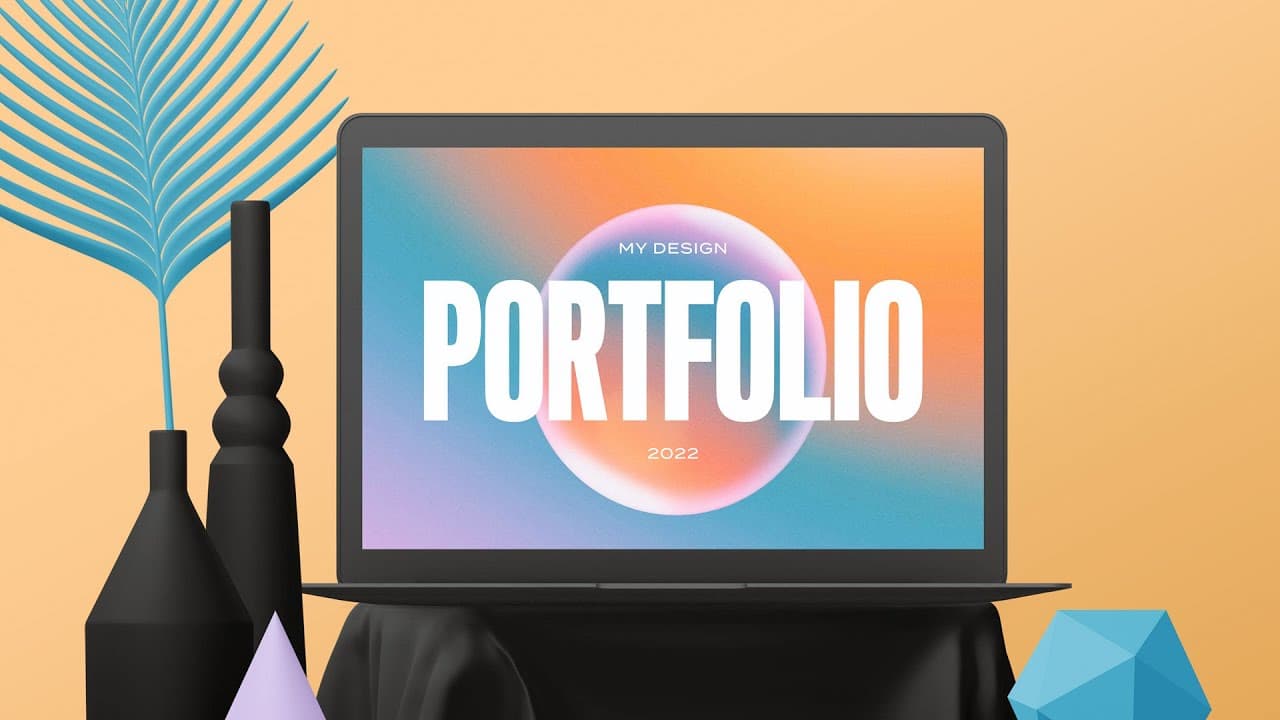
Start by choosing a platform that fits your needs, then craft a strong hero section that clarifies who you are and what you offer with a clear call to action. Next, present work with contextual, styled visuals rather than flat screenshots, and include concise case studies to demonstrate impact. The video compares three portfolio tools and provides structure for case studies.
Transcript
you know you need a new portfolio but you're procrastinating and that's because there are so many tough questions what tools should i use what should i put in the hero section how should i present my work well on today's video we're going to tackle all of these questions step by step so that you can finally take action put up that new portfolio and... Read More
Key Insights
- Webflow is a powerful, flexible platform with a learning curve but templates can jumpstart a portfolio
- Carbonmade is a designer-friendly, template-based option that is easy to use and offers a free domain
- Semplice is a WordPress plugin that suits users already on WordPress and focuses on rich templates and animations
- The hero section should answer who you are, what you do, and why you are unique with a clear call to action
- A strong hero benefits from a professional photo or confident identity to establish credibility
- Presenting work benefits from styling and contextual framing, not just flat screenshots
- Case studies should be accessible and legible with a narrative that highlights impact and outcomes
- The portfolio should function as a business card, guiding visitors toward taking the next step with you
- More videos from this channel:
- More from this channel: Flux Academy
Install to Summarize YouTube Videos and Get Transcripts
Explore YouTube Video Summarizer or Get YouTube Transcript Extractor
Questions & Answers
Q: How do I choose between Webflow, Carbonmade, and Semplice for my portfolio
Choosing between Webflow, Carbonmade, and Semplice depends on your needs for customization, ease of use, and whether you prefer a standalone site or a WordPress-based solution. Webflow offers deep customization and interactions but has a learning curve. Carbonmade provides simple templates and a quick start, with a free domain option. Semplice integrates with WordPress for those who already use that system and want advanced animation capabilities. Consider your timeline, technical comfort, and whether you want ongoing hosting costs or a one-time setup.
Q: What should be included in the hero section of a portfolio
The hero section should clearly identify you, state your role, and convey what makes you unique. Include a strong photo or visual identity to personify the brand and a concise value proposition that explains the services you offer, such as web design, branding, or photography. A prominent call to action should guide visitors to start a project or contact you, ensuring the next step is obvious.
Q: Why is presenting work with context better than simple screenshots
Contextual presentation helps viewers understand how the work functions in real settings, not just how it looks in isolation. Using styled layouts, device frames, and brand-colored backgrounds helps demonstrate usability and responsiveness. This approach teases the project quality and helps potential clients imagine your work in their own environment, increasing engagement and perceived value.
Q: How can case studies be structured in a portfolio
Case studies should start with the problem or objective, followed by the process, and then the outcome or impact. Include metrics or tangible results when possible, describe your role clearly, and show the key steps or iterations. Finish with a reflection on learnings and how the project aligns with client goals to demonstrate strategic thinking.
Q: What role does photography or a personal image play in the hero
A professional or well-crafted personal image helps establish trust and credibility from the first impression. It signals reliability and approachability, especially for freelancers and designers who sell themselves as services. The photo should feel authentic and aligned with the brand voice to reinforce client confidence.
Q: Are templates a good starting point for a portfolio
Yes, templates can dramatically reduce setup time and provide polished layouts, grids, and interactions that look professional. They are especially useful when you lack time or design polish. However, customize templates to fit your brand, ensure your work remains the focus, and replace placeholder elements with real projects and data.
Q: How should the portfolio act like a business card
The portfolio should present a clear value proposition and an easy way to initiate contact. It should showcase representative work, demonstrate credibility through social proof or client logos, and guide visitors to take a concrete action such as starting a project, booking a call, or sending a message. A concise About section and contact link reinforce this card-like function.
Q: What are practical tips to speed up portfolio creation
Start with a minimal viable portfolio using one platform, then gradually add projects. Use templates to speed up design, and prepare a standard case study structure to consistently present each project. Collect client logos for social proof, ensure images are high quality, and keep navigation simple so visitors can find contact information quickly.
Summary & Key Takeaways
-
The video guides designers through selecting from three portfolio tools based on ease of use and customization, emphasizing templates and potential domain options. It then explains how to craft a hero that immediately communicates identity, services, and credibility, plus a compelling call to action.
-
After establishing the hero, the content stresses presenting work in context with styled visuals and device frames to tease the work before diving into case studies. It also highlights the importance of professional photography or a personal image to establish trust.
-
The final sections discuss case study structure and the overall portfolio as a business card, urging clear value propositions, consistent visuals, and actions that lead to client engagement and project starts.
Read in Other Languages (beta)
Share This Summary 📚
Summarize YouTube Videos and Get Video Transcripts with 1-Click
Try YouTube Summary with ChatGPT & Claude or YouTube Transcript Generator
Explore More Summaries from Flux Academy 📚
Summarize YouTube Videos and Get Video Transcripts with 1-Click
Try YouTube Summary with ChatGPT & Claude or YouTube Transcript Generator