What is a swim lane ad structure for Facebook ads
TL;DR
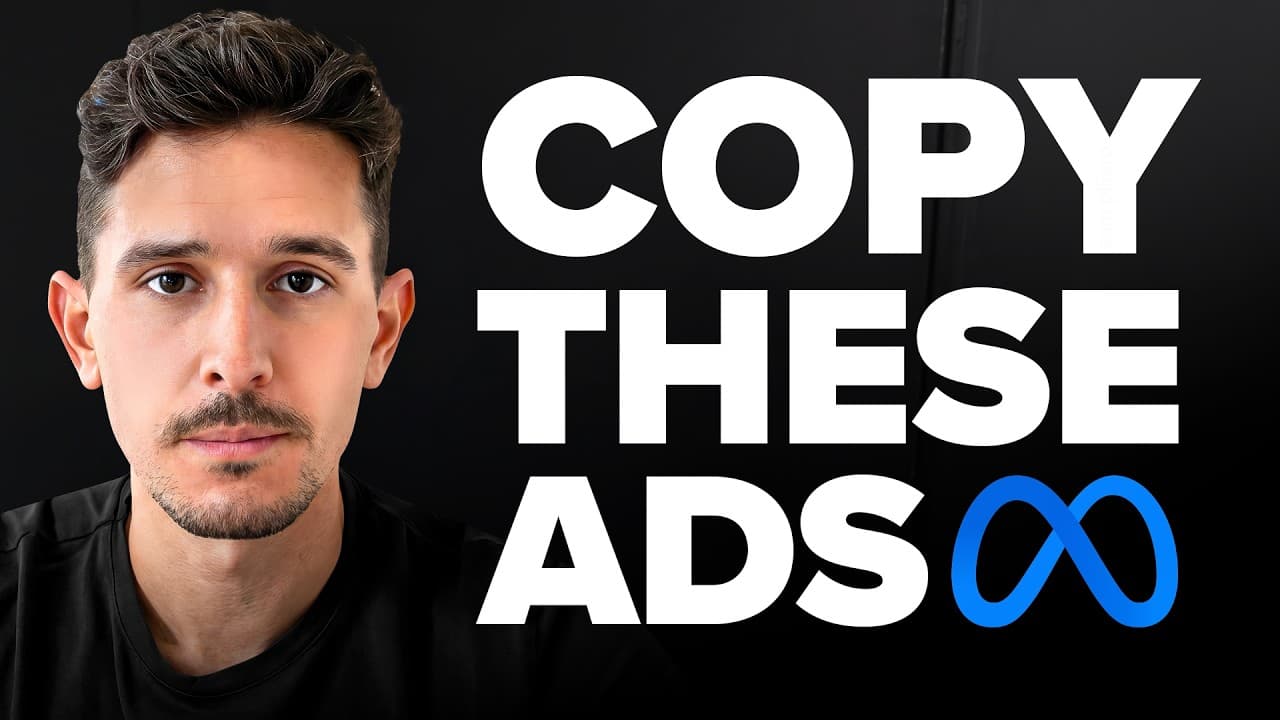
The core idea is to separate audiences by behavior: new, engaged, and existing customers, and to allocate budgets accordingly. Weekly creative testing keeps the flywheel fresh, while incremental attribution and CBO help brands measure true impact and optimize spend. Flexible ads extend concept longevity by grouping multiple creatives as units.
Transcript
Have you ever wondered what the difference is for ad accounts of businesses that are rapidly scaling versus those that are struggling to even break even? Well, over the last decade of running Facebook ads for e-commerce businesses, I've studied over 10,000 different businesses. Between the audits we've done, the creative tests and recommendations t... Read More
Key Insights
- Swim lanes distinguish new, engaged, and existing customers and control budget distribution to avoid overspending on existing audiences.
- Weekly creative testing creates a disciplined cycle of analysis, briefing, and production that gives creatives time to perform and the account room to breathe.
- Incremental attribution isolates conversions that Facebook genuinely caused, reducing overcounting and improving decision making for new customer campaigns.
- CBO is effective for most accounts because it concentrates budget on top performing ads and adsets based on robust platform signals.
- Flexible ads group multiple creatives into units to preserve a concept’s longevity and allow broader testing within a single package.
- Andromeda’s processing of creative units favors higher quality combinations, rewarding varied iterations within a single unit instead of isolated tweaks.
- Monitoring and quick intervention remain essential, with seven day windows often used to assess new ads while watching for waste or misaligned targeting.
- Regular benchmarking against competitors slightly ahead of you can inspire better performance and provide signals without chasing huge industry leaders.
- More videos from this channel:
- More from this channel: Sam Piliero
Install to Summarize YouTube Videos and Get Transcripts
Explore YouTube Video Summarizer or Get YouTube Transcript Extractor
Questions & Answers
Q: What is a swim lane ad structure for Facebook ads
A swim lane ad structure splits audiences into new customers, engaged customers, and existing customers to guide budget distribution and avoid overspending on retained or engaged segments. It replaces the traditional top, middle, bottom funnel approach with a focus on stage specific audiences and targeted spending, enabling more precise optimization.
Q: Why should you use weekly creative testing in Facebook ads
Weekly creative testing establishes a predictable cadence for analysis, briefing, and production, giving the team a regular cycle to evaluate performance, generate briefs for the best ads, and produce new creatives promptly. This system helps the account breathe and prevents stagnation by continually introducing fresh concepts.
Q: What is incremental attribution and why is it important
Incremental attribution counts only conversions Facebook believes were caused by Facebook, reducing over attribution from platforms sharing credit. It is particularly valuable for new customer acquisition, allowing marketers to measure what truly comes from Facebook activity while still viewing traditional signals for context.
Q: When should you use Campaign Budget Optimization (CBO)
CBO should be used in most cases to let the platform optimize budget at the campaign level, directing spend to the best performing ads and adsets. This approach concentrates spend on top performers, leveraging algorithmic insights that humans cannot match in real time.
Q: What are flexible ads and how do they help longevity
Flexible ads group multiple creatives into a unit, allowing the algorithm to test variations as a single package. This extends the concept’s shelf life by enabling more iterations without diffusing spend across many standalone creatives, helping the audience stay engaged longer.
Q: How does Andromeda influence creative testing
Andromeda looks at creatives as units and evaluates variations within a flexible package. This encourages broader experimentation with different hooks, colors, or models, while preserving the core concept, and it helps allocate budget toward the best performing variations.
Q: What practical steps can you take to avoid overspending on existing customers
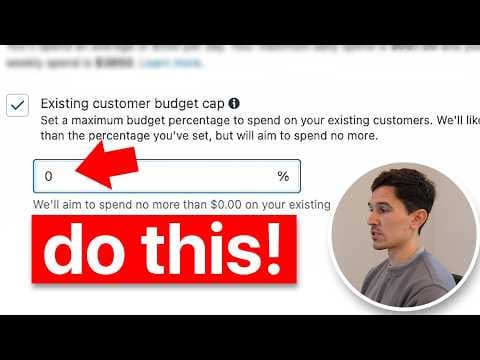
Check your Meta audience breakdowns to see how much budget is going to new, engaged, and existing customers. If you find overspending on existing audiences, adjust your budget allocation and implement swim lanes to ensure new customer initiatives receive adequate funding while maintaining profitable engagement.
Q: Why is competitor benchmarking recommended in this framework
Benchmarking against slightly ahead competitors provides practical performance signals without chasing vastly larger rivals. It offers a realistic reference point to gauge what’s working in the market and to inspire targeted improvements in creative strategy and optimization tactics.
Summary & Key Takeaways
-
This summary outlines five key lessons from analyzing thousands of Facebook ad accounts, focusing on swim lanes, weekly creative testing, incremental attribution, campaign budget optimization, and flexible ad units to extend ad longevity. It emphasizes practical actions like checking audience breakdowns and adopting a structured creative cycle.
-
The approach advocates separating new, engaged, and existing customers into swim lanes to prevent overspending on existing audiences, and it recommends a disciplined weekly cycle for creative development, testing, and production to maintain momentum and adapt to performance signals.
-
The final concept ties creative strategy to platform evolution, explaining how incremental attribution and flexible ads align with Andromeda, enabling broader testing and longer shelf life for successful concepts.
Read in Other Languages (beta)
Share This Summary 📚
Summarize YouTube Videos and Get Video Transcripts with 1-Click
Try YouTube Summary with ChatGPT & Claude or YouTube Transcript Generator
Explore More Summaries from Sam Piliero 📚
Summarize YouTube Videos and Get Video Transcripts with 1-Click
Try YouTube Summary with ChatGPT & Claude or YouTube Transcript Generator