How to build trusting teams for high performance
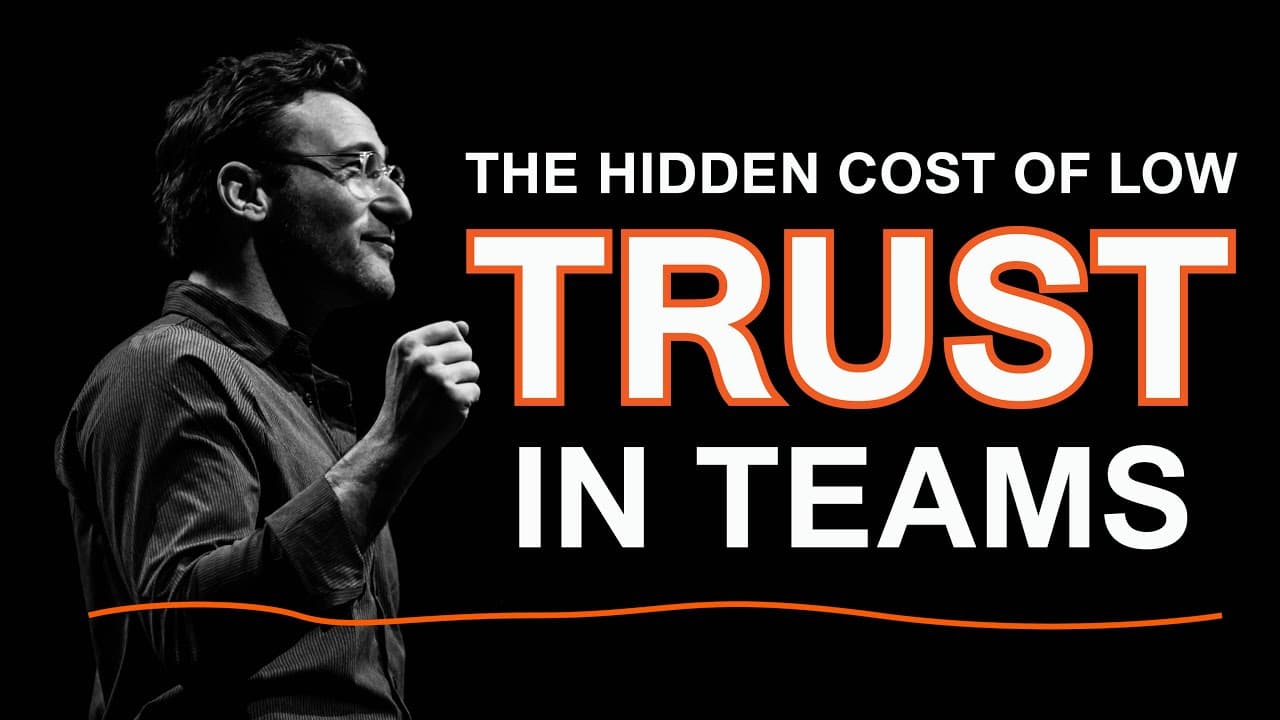
TL;DR
Trust is the foundation of high performing teams. Leaders create safe environments where people can be vulnerable, admit mistakes, ask for help, and feel valued. By treating leadership as a daily practice and prioritizing the well being of the team over short term results, organizations unlock sustained performance.
Transcript
trusting teams I went on a business trip to Las Vegas and they put me up at the Four Seasons out there which is a beautiful hotel and one of the reasons It's a Wonderful hotel is not because of the fancy beds any hotel can buy a fancy bed the reason the Four Seasons is a fantastic hotel is because of the people who work there that when you roam the... Read More
Key Insights
- Trusting teams form when people feel safe to be vulnerable and speak up about mistakes or needs.
- Leaders shape the environment; leadership is about taking care of those in your charge, not just achieving results.
- A lack of trust causes employees to hide issues, underperform, or hide from asking for help due to fear of repercussions.
- Customer experiences differ dramatically based on the leadership environment, illustrated by contrasts between Four Seasons, United, and Virgin Atlantic.
- Leadership is a lifestyle and continuous practice, not a one-off event or course.
- When trust is present, employees can perform at their natural best and feel valued in the organization.
- Most performance problems stem from leadership issues rather than the people.
- Building trust is a gradual process that requires consistent daily effort, like going to the gym for short daily sessions.
Install to Summarize YouTube Videos and Get Transcripts
Explore YouTube Video Summarizer or Get YouTube Transcript Extractor
Questions & Answers
Q: How can a manager start creating a trusting team environment today?
A manager can start by creating safety for team members to speak up without fear of humiliation or retribution. This involves leaders asking for input, acknowledging mistakes openly, offering support, and ensuring conversations focus on learning and improvement rather than blame. Consistent, approachable leadership signals trust and care.
Q: What is the difference between liking a job and loving your job in a team context?
Liking a job is a rational assessment of the role, pay, and tasks, whereas loving your job reflects an emotional connection to the work environment and people. When leaders cultivate supportive, respectful, and communicative teams, employees are more likely to express genuine enthusiasm and commitment, leading to higher engagement and better service.
Q: Why is leadership described as a lifestyle rather than a title?
Leadership is a lifestyle because it requires ongoing daily actions that protect and develop the people in the team. It is about consistent care, setting the tone, modeling behaviors, and creating an environment where trust can grow. This ongoing practice yields lasting cultural change beyond any single initiative.
Q: How does a lack of trust affect customer service?
A lack of trust leads to hidden mistakes, guarded behavior, and avoidance of accountability, which damages service quality. When employees fear repercussions, they fail to raise issues or seek help, resulting in poorer performance and negative customer experiences, as the organization cannot respond quickly or effectively to problems.
Q: What role do leaders play in ensuring teams perform well?
Leaders are responsible for creating conditions where people can perform at their best. They set the environment, provide support, and remove obstacles. When leaders invest in trust, learning, and care, teams become more capable of delivering high performance and better customer outcomes.
Q: Can trust be built quickly, or is it a long process?
Trust is built through a long, continuous process rather than a single event. It requires regular, intentional practices like checking in, providing training, recognizing effort, and maintaining open lines of communication. Some teams may respond faster, but steady daily effort consistently yields results over time.
Q: What is the consequence of letting fear drive decisions in teams?
Fear-driven decisions lead to compliance and avoidance, not growth. People hide mistakes, avoid asking for help, and fail to raise concerns, which undermines trust and causes performance and service breakdowns. A trusting environment empowers employees to act with integrity and contribute to improvements.
Q: How does the Four Seasons example illustrate the importance of leadership?
The Four Seasons example shows that leadership matters more than individual talent. Managers who check in with staff and support their needs create a culture where employees feel valued and authentic, leading to genuine interactions with customers. This contrast highlights how leadership shapes daily behavior and overall service quality.
Summary & Key Takeaways
-
Trusting teams enable openness, vulnerability, and support, which in turn improves performance and customer experience by enabling people to raise concerns and seek help without fear of humiliation or retribution.
-
Leadership sets the environment, not just the person, and the right culture is cultivated through consistent, everyday actions that demonstrate care for the people who work there.
-
Building trust is a gradual process akin to regular gym workouts; there is no quick fix, but steady daily effort yields lasting improvements in team dynamics and outcomes.
Read in Other Languages (beta)
Share This Summary 📚
Summarize YouTube Videos and Get Video Transcripts with 1-Click
Try YouTube Summary with ChatGPT & Claude or YouTube Transcript Generator
Explore More Summaries from Simon Sinek 📚






Summarize YouTube Videos and Get Video Transcripts with 1-Click
Try YouTube Summary with ChatGPT & Claude or YouTube Transcript Generator