Why Is Empathy Important in the Workplace?
TL;DR
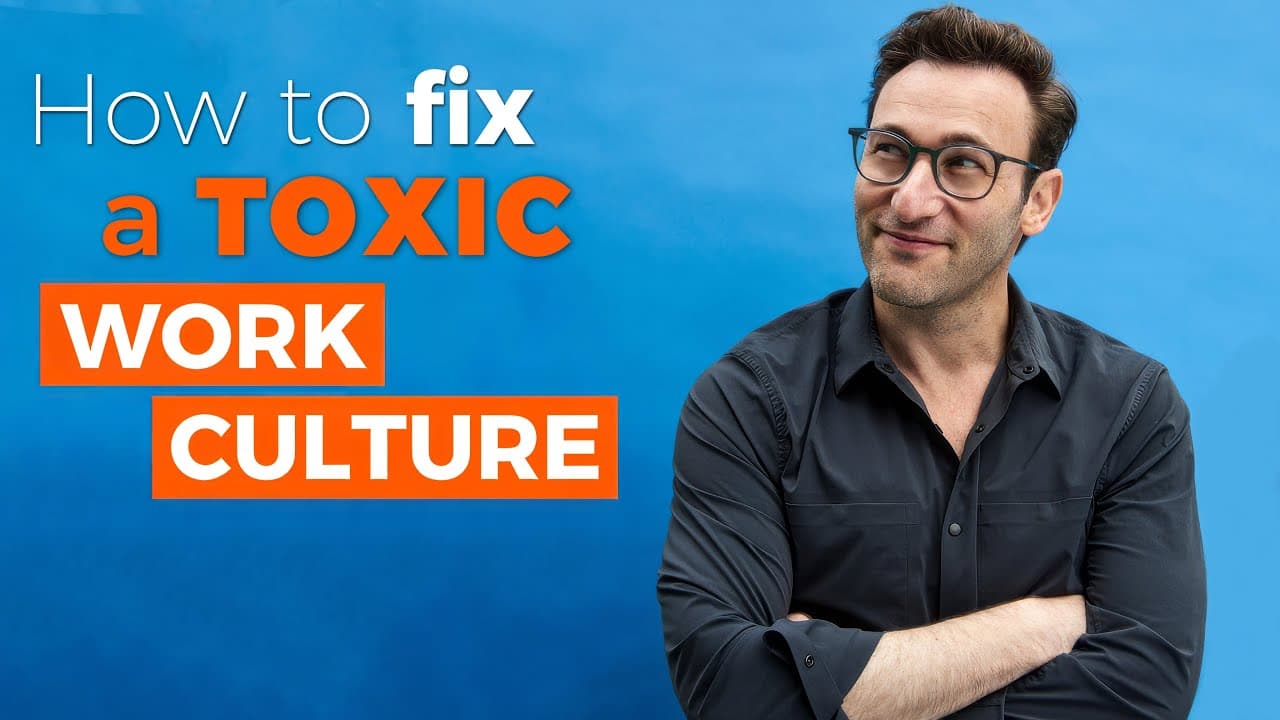
Empathy is crucial in the workplace to foster positive relationships and understanding among colleagues. It helps leaders recognize that external pressures can affect employee performance, promoting a more supportive environment. By challenging negative narratives and assumptions, leaders can prevent toxic dynamics and encourage collaboration.
Transcript
I went for a walk with a friend of mine who's struggling at work and this is how the conversation started um my boss is a terrible person I I hate working for her she's a she's she's a terrible person and I said oh my God does she abuse her children and kick her dog and she said no I said ah so we don't know that she's a terrible person we just kno... Read More
Key Insights
- 🥺 Distinguishing personal traits from professional behavior can lead to better judgments about employees.
- 🎮 Assumptions about an individual's character may stem from broader circumstances beyond their control.
- 🥺 Leading with empathy encourages collaboration even when immediate resolutions are unavailable.
- 😵💫 Toxicity in the workplace often results from harmful narratives that can spiral out of control without intervention.
- 🏷️ It's essential for leaders to provide context and nuance when discussing employees to prevent unfair labels.
- ✊ The power dynamic of labels can diminish individuals’ motivation and engagement; leaders must actively combat this.
- 😀 Empathetic leadership translates to understanding the unique situations employees are facing personally and professionally.
- 🎙️ More videos with Simon Sinek:
Install to Summarize YouTube Videos and Get Transcripts
Explore YouTube Video Summarizer or Get YouTube Transcript Extractor
Questions & Answers
Q: Why is empathy important in leadership?
Empathy is vital in leadership as it helps leaders understand the challenges their team members face, fostering a supportive environment. It encourages open communication and can lead to better collaboration. By empathizing with employees, leaders can create a culture where individuals feel valued and understood, which in turn enhances overall team effectiveness.
Q: What impact can negative narratives about employees have?
Negative narratives can severely impact an employee's reputation and morale. When leaders label team members as "lazy" or "unmotivated," it creates a toxic culture where assumptions replace understanding. Such labeling can lead to a self-fulfilling prophecy, where employees begin to perform according to those labels, further perpetuating disengagement and poor performance.
Q: How can leaders effectively challenge toxic narratives?
Leaders can challenge toxic narratives by proactively addressing negative discussions about team members. They should remind colleagues that perceptions may not reflect reality and suggest alternative explanations for behaviors seen. Encouraging open dialogue and a culture of understanding helps to dismantle these narratives and maintains a supportive work environment.
Q: How does asking more questions contribute to empathetic leadership?
Asking more questions allows leaders to gather valuable insights about their team's challenges and needs. A leader who engages in deeper questioning demonstrates genuine interest in understanding the experiences of team members, which builds trust. Increased questions lead to richer conversations, revealing underlying issues requiring empathy and support.
Summary & Key Takeaways
-
The conversation highlights the importance of distinguishing between individuals' personal character and their professional capabilities, especially in challenging work situations.
-
Leaders should cultivate empathy and patience, recognizing that external pressures may affect employees' performance and behavior at work.
-
Forming narratives about colleagues can lead to toxic environments; it's critical to challenge negative assumptions and promote understanding.
Read in Other Languages (beta)
Share This Summary 📚
Summarize YouTube Videos and Get Video Transcripts with 1-Click
Try YouTube Summary with ChatGPT & Claude or YouTube Transcript Generator
Explore More Summaries from Simon Sinek 📚




Summarize YouTube Videos and Get Video Transcripts with 1-Click
Try YouTube Summary with ChatGPT & Claude or YouTube Transcript Generator