How to win by implementing shared practices across teams
TL;DR
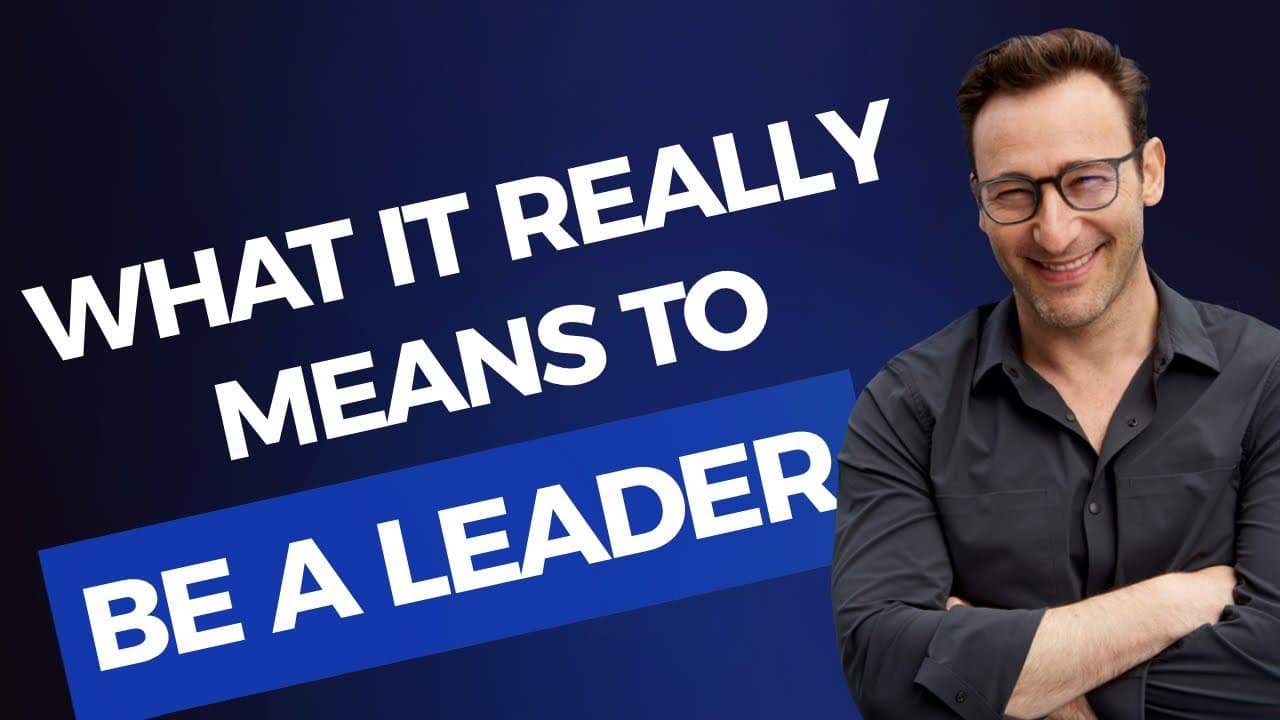
Implementation is the real competitive advantage, not ideas alone. The speaker illustrates a leader who proves that sharing what works and allowing others to adopt it expands impact beyond a single company. When teams are trusted and supported, execution improves, cultures spread, and you effectively compete against yourself by raising standards for everyone.
Transcript
I mean you play the infinite game for the good of the game right right which is you're in the hospitality industry for the good of the hospitality industry and for the good of all business and the best companies the ones we love and admire right they share you know it's it's the ones who are protective you know of what they because they think it's ... Read More
Key Insights
- Implementation is the true competitive advantage, not ideas alone.
- Great leadership shares what works, enabling others to adopt successful practices.
- Trust and empowerment on the factory floor lead to better execution and cost savings.
- Hiring practices should not undermine trust; education level is not a sole predictor of integrity.
- Leadership is proven by actions that benefit the many, not only the few.
- A selfish organization can still achieve excellent internal culture while neglecting broader impact.
- Publicly sharing successful methods expands influence and creates industry-wide improvement.
- Competing against yourself means continuously improving your own organization while inviting others to follow the example.
Install to Summarize YouTube Videos and Get Transcripts
Explore YouTube Video Summarizer or Get YouTube Transcript Extractor
Questions & Answers
Q: A real search query question about the video: How can a company improve its competitive edge through sharing practices
The video argues that implementing and sharing proven practices is the key to competitive edge, not keeping them secret. It uses a real world example from Barry Waymiller where frontline workers helped select and procure equipment, resulting in significant cost savings and a machine you can trust. This demonstrates that empowerment and transparency on the shop floor translate into durable competitive advantages.
Q: What makes Bob Chapman’s approach unique in leadership
Bob Chapman embodies a leadership style that focuses on trust, employee well being, and public sharing of successful methods. He invited Simon Sinek to see his company practices firsthand, showing that leadership is measured by how broadly you enable others to imitate and adopt your positive system. This openness redefines competition as mutual growth.
Q: How did the factory floor experiment change the outcome for the machine project
Two workers with limited formal education were given a budget and asked to find a replacement without external pressure or approval delays. They traveled, evaluated options, and returned with an economical choice. The result was a project completed under budget with a machine that the team believes will be highly reliable, illustrating the power of hands-on empowerment.
Q: What is the core message about competition in the talk
The core message is that you are competing against yourself, not others. By building a culture that shares successful practices and trains others, you raise standards across the board and create a model that others copy. The emphasis is on collaboration and scalable leadership rather than scarcity and secrecy.
Q: Why does the speaker critique ‘college education’ in leadership context
The speaker questions the assumption that college education equates to trustworthiness. He cites examples of dishonest MBAs to show that formal credentials do not guarantee integrity. The point is that execution, honesty, and practical results are better indicators of reliability than academic pedigree.
Q: What role does hospitality play in this leadership model
Hospitality is framed as an operating philosophy that treats all stakeholders well, not just employees. It becomes a cultural standard that organizations can export, inspiring other industries to adopt similar people-centric practices. This openness helps the brand stand for something worth copying and spreading.
Q: How did the event with Bob Chapman influence Sinek’s view on leadership impact
The visit and discussions with Bob Chapman revealed that a company can model humane leadership on a large scale and still maintain competitive performance. It showed that when a firm serves employees and shares its learnings, it creates a durable competitive advantage that also acts as a beacon for others to emulate.
Q: What is the recommended strategic shift for companies wanting lasting impact
Shift from protecting ideas to implementing and sharing them. Focus on creating environments where employees can test, learn, and propagate best practices. This approach broadens impact beyond the initial organization, elevates the industry standard, and turns leadership into a public, scalable asset.
Summary & Key Takeaways
-
The speaker argues that execution beats ideas because implementation creates real outcomes, not just plans. He uses a factory example where managers empowered workers to choose replacements, showing ownership drives reliability and cost savings. The core message is to scale good practices through trust and transparent sharing.
-
The narrative centers on Bob Chapman and Barry Waymiller, emphasizing a culture of care that expands beyond the immediate workforce to inspire broader industry changes. The takeaway is leadership visibility and hospitality mindset can become a competitive advantage when shared.
-
The video concludes by urging leaders to move from inward focus to outward impact, inviting others to learn from successful implementations and to replicate them, thereby turning leadership into a public, scalable model that raises the standard across sectors.
Read in Other Languages (beta)
Share This Summary 📚
Summarize YouTube Videos and Get Video Transcripts with 1-Click
Try YouTube Summary with ChatGPT & Claude or YouTube Transcript Generator
Explore More Summaries from Simon Sinek 📚




Summarize YouTube Videos and Get Video Transcripts with 1-Click
Try YouTube Summary with ChatGPT & Claude or YouTube Transcript Generator