How to use good manners to make others feel seen?

TL;DR
Manners are about placing others first and making them feel valued in conversations and social settings. Good etiquette, when practiced consistently, improves interpersonal trust and professional perception. The core idea is to move beyond rules to the intention of consideration and clarity in communication.
Transcript
What are some of the specific things that you have seen that a lot of people get wrong when you are having a conversation at a networking event, cocktail party, what whatever it is? A lot of people sort of you'll be doing a story about a skiing accident for example that you've had. You were on you was skiing 10 years ago, you had some accident. And... Read More
Key Insights
- Etiquette is defined by prioritizing others in social interactions, which helps people feel valued and respected.
- The key to good manners is the selfless habit of putting other people first before oneself in conversations and shared spaces.
- Effective etiquette coaching targets real outcomes like better conversations, stronger relationships, and improved professional advancement.
- Manners have historical roots but remain relevant because they guide everyday behavior that affects trust and perception.
- Etiquette is learnable for everyone, regardless of background, and can be applied in corporate, royal, and casual settings.
- A good conversational approach involves asking follow up questions instead of dominating the storytelling, which strengthens connections.
- Proper dining comportment and table manners are seen as practical signals of respect and attentiveness during meals.
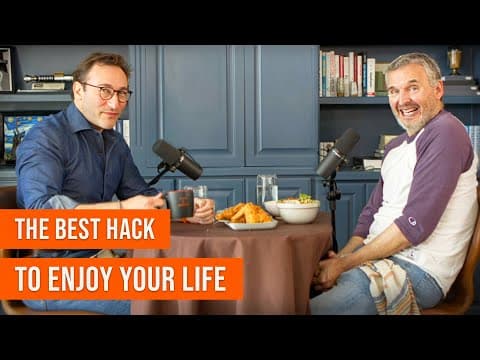
- More videos from this channel:
- More from this channel: Simon Sinek
Install to Summarize YouTube Videos and Get Transcripts
Explore YouTube Video Summarizer or Get YouTube Transcript Extractor
Questions & Answers
Q: How does etiquette influence trust in networking and business events?
Etiquette influences trust by creating predictable, considerate interactions where others feel seen and valued. When you ask follow up questions instead of competing in storytelling, you demonstrate genuine interest and restraint, which reduces social friction. This approach signals reliability and respect, encouraging others to share more openly and collaborate with you in the future.
Q: What is the core purpose of good manners beyond appearances?
The core purpose of good manners is to make other people feel that they matter. This requires self awareness and deliberate behavior, such as listening actively, avoiding self centered commentary, and offering help before asking for it. When manners are practiced with intent, they foster inclusion, trust, and smoother communication in any setting.
Q: How can someone start learning etiquette if they feel it is outdated?
Begin with the mindset that etiquette is about practical respect and clarity, not snobbery. Start small by observing others’ cues, asking for feedback, and practicing simple gestures like polite greetings, proper table manners, and considerate interruptions. Regular reflection on why a rule exists helps you internalize it and apply it naturally.
Q: What role does listening play in effective etiquette?
Listening is central to etiquette because it shows you value the other person’s perspective. Active listening includes asking follow up questions, summarizing what was said, and avoiding interruptions. This approach builds rapport, reduces miscommunication, and creates a foundation for productive, respectful interactions in both social and professional contexts.
Q: How can etiquette help a professional company or individual advance?
Etiquette helps by shaping impressions of competence, trustworthiness, and approachability. For individuals, it can open doors to opportunities by facilitating smooth networking and better client interactions. For companies, consistent etiquette across teams signals a culture of respect, which can improve collaboration, negotiations, and client retention.
Q: What is the misconception about wearing the label of etiquette?
The misconception is that etiquette is about being pretentious or rigid. In reality, it is about practical courtesy, making others feel comfortable, and communicating with clarity. When rules are understood as tools to reduce awkwardness and promote equal respect, etiquette becomes accessible and useful to anyone.
Q: How does handling meals demonstrate good manners in a business setting?
Handling meals well demonstrates consideration and attentiveness. Practicing outside in to inside order of using utensils, serving others before yourself, and maintaining a calm, respectful demeanor at the table communicates reliability and discipline. These behaviors reinforce a positive impression that can translate into stronger business relationships.
Q: Can you learn etiquette without formal training, and how?
Yes, etiquette can be learned informally through observation, practice, and feedback. Start by studying the reasons behind common rules, then apply them in real situations such as meetings and dinners. Seek constructive feedback from trusted peers, adjust your behavior, and gradually expand to more nuanced social contexts to build confidence and fluency.
Summary & Key Takeaways
-
Good manners are presented as a practical tool for building trust and making others feel seen in both social and professional contexts, rather than a mere performance.
-
The host explains that etiquette should prioritize others and that skills can be learned by anyone, regardless of background, by understanding the logic behind traditional rules.
-
The interview highlights that modern etiquette involves listening, asking thoughtful questions, and appropriate conduct at meals and events to facilitate positive interactions.
Read in Other Languages (beta)
Share This Summary 📚
Summarize YouTube Videos and Get Video Transcripts with 1-Click
Try YouTube Summary with ChatGPT & Claude or YouTube Transcript Generator
Explore More Summaries from Simon Sinek 📚



Summarize YouTube Videos and Get Video Transcripts with 1-Click
Try YouTube Summary with ChatGPT & Claude or YouTube Transcript Generator