How to Train for Size and Strength at Once
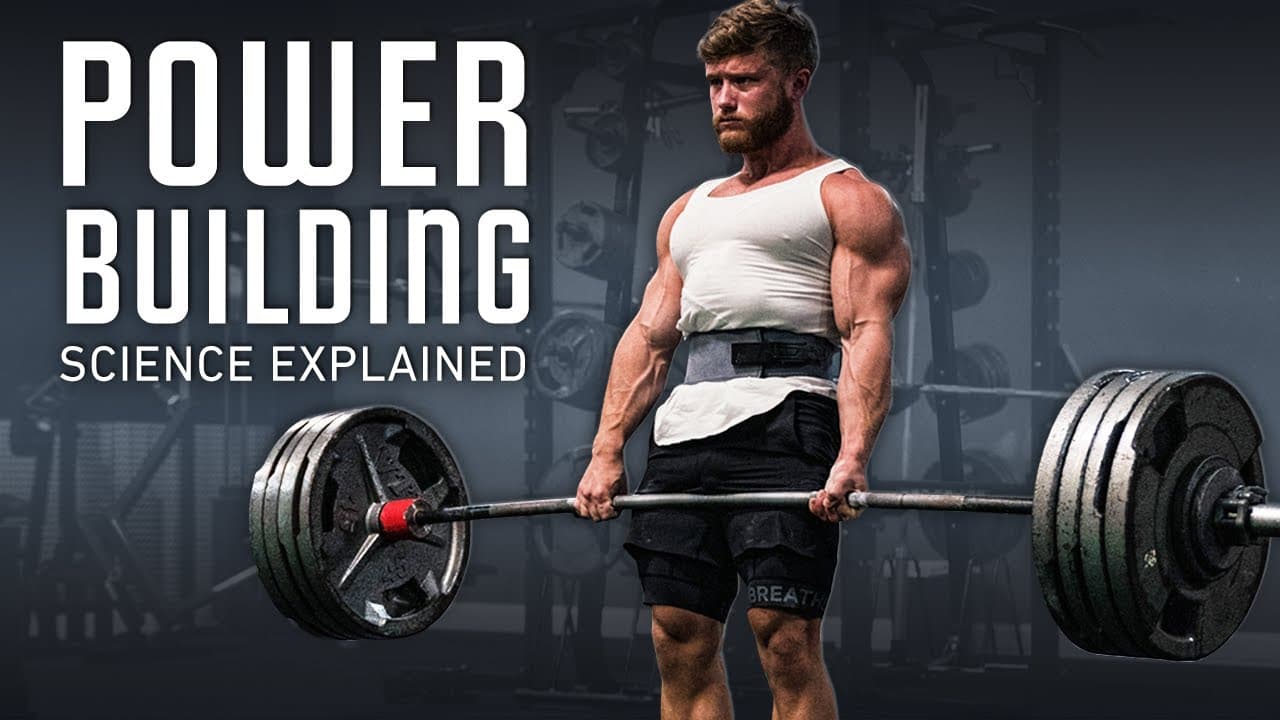
TL;DR
Heavy, moderate, and light reps all can build muscle when you train hard enough, and strength benefits come from lifting heavy, as strength is a specific skill. A structured mix of rep ranges yields both size and strength, while prioritizing technique and smart periodization helps long term progress.
Transcript
how can we get really jacked and also really strong at the same time a lot of people seem to think you can't or at least you shouldn't because how you should train to get strong is very different from how you should train to get big they say but i don't really agree with this it's extremely common to hear that if you want to get strong you need to ... Read More
Key Insights
- Heavy, moderate, and light sets all can grow muscle if trained hard enough.
- Strength gains depend on lifting heavy because strength is a skill.
- A mixture of rep ranges triggers different growth mechanisms, aiding overall hypertrophy.
- Most people should include a heavy lifting component while maintaining hypertrophy work.
- Technique work and deliberate practice are crucial for long term strength gains.
- Frequent practice of the big lifts improves performance and reduces risk of bad form.
- Accessory exercises are essential to fully develop lagging muscle groups.
- Periodization and planned deloads help prevent overtraining and sustain progress.
- More videos from this channel:
- More from this channel: Jeff Nippard
Install to Summarize YouTube Videos and Get Transcripts
Explore YouTube Video Summarizer or Get YouTube Transcript Extractor
Questions & Answers
Q: How should I split training between heavy strength work and hypertrophy work for powerbuilding?
To balance strength and size, allocate most heavy lifting to 1 to 5 rep ranges while dedicating a substantial portion of sets to 6 to 12 rep ranges for hypertrophy. The exact split depends on your goals, but a mixed approach targets mechanical tension and metabolic stress, promoting both strength and muscle growth over time.
Q: Why is strength considered a skill and how should I practice it?
Strength is a specific skill that benefits from deliberate practice of the lifting technique. You should train the big lifts several times per week with high effort, but also include technique work focused on form, tempo, and sticking points. This approach improves maximal strength while reducing injury risk.
Q: What role do accessory movements play in powerbuilding?
Accessory exercises fill gaps left by the big lifts, targeting lagging muscle groups such as lats, biceps, rear delts, calves, and abs. Include 8 to 10 weekly sets for each of these muscles and use a roaming hypertrophy day to broaden overall development without compromising recovery.
Q: How often should I train the main lifts like squat, bench, and deadlift?
Practice the main lifts around twice a week for most lifts, with frequency adjusted based on recovery and goals. Early in the week you can train heavy, and later in the week you can focus more on technique at a lower effort to refine form and maintain long term progression.
Q: What is the impact of rep range on hypertrophy according to the research cited?
The research cited shows no clear relationship between rep count and hypertrophy when volume and effort are adequately matched. Heavy, moderate, and light reps can all promote muscle growth as long as training is sufficiently intense and volume is appropriate.
Q: How should I structure a week to balance powerlifting and bodybuilding goals?
Structure a week with a mix of full body days and upper/lower days, ensuring heavy sessions for strength early in the week and technique work later. Sprinkle in accessory work to target smaller muscles and avoid interference with heavy lifts to support both size and strength goals.
Q: What are practical limits of training with very light loads?
Very light loads (around 20 percent of one rep max and below) show diminishing returns for growth in most people. For practical hypertrophy, keep some moderate to heavy loading and ensure sets reach near failure to drive adaptation without excessive fatigue.
Q: How does periodization help a lifter over the long term?
Periodization organizes training over time, breaking a year into phases with distinct focuses such as power building, cutting, and maintenance. This approach maximizes gains and minimizes overtraining by varying emphasis and allowing recovery, especially when approaching different seasonal goals or body composition targets.
Summary & Key Takeaways
-
A balanced training approach combines low, moderate, and higher rep ranges to maximize muscle growth and strength while managing fatigue. The method treats strength as a skill that benefits from practicing heavy lifts regularly. Accessory work fills gaps and supports overall physique development.
-
Periodization and deloads help prevent overtraining and sustain progress, while beginners can use linear progression before applying bigger picture plans. The content emphasizes planning over time, not just chasing single workouts, to optimize long term gains.
-
Technique and frequency matter for strength, with heavy lifts practiced multiple times per week and refined with targeted technique work later in the week, ensuring improvements in both form and load handling.
Read in Other Languages (beta)
Share This Summary 📚
Summarize YouTube Videos and Get Video Transcripts with 1-Click
Try YouTube Summary with ChatGPT & Claude or YouTube Transcript Generator
Explore More Summaries from Jeff Nippard 📚


Summarize YouTube Videos and Get Video Transcripts with 1-Click
Try YouTube Summary with ChatGPT & Claude or YouTube Transcript Generator