How to Write Science Fiction and Fantasy Professionally
TL;DR
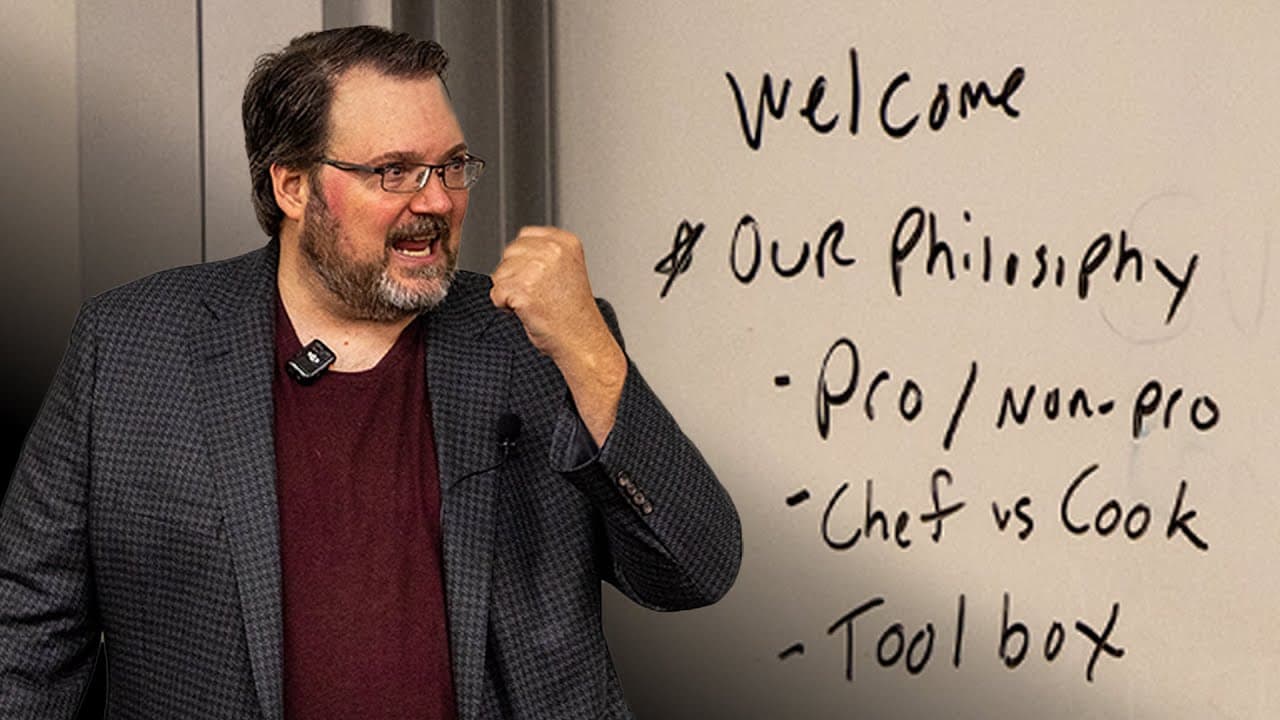
Brandon Sanderson discusses the philosophy and practical steps for aspiring writers aiming to become professional novelists. He emphasizes the importance of understanding personal writing processes, the value of writing groups, and the distinction between artistic and business mindsets in writing. The lecture also covers the challenges of making a living as a novelist and the necessity of perseverance and practice in honing one's craft.
Transcript
hey Brandon Sanderson here welcome to the 2025 lecture series these are lectures that I give at my local University Brigham Young University about Science Fiction and Fantasy writing every week I'm going to have a new one for you this week we're doing mostly introductory material I'm going to talk about um My Philosophy in t... Read More
Key Insights
- Writing is a personal journey; each writer must discover their own process and style.
- Most successful writers have completed multiple novels before achieving publication.
- The distinction between discovery writers and outline writers is crucial to understanding one's writing process.
- Artistic expression and business acumen must be balanced for a successful writing career.
- Survivorship bias can skew perceptions of success in creative fields.
- Writing groups can provide valuable feedback but should be approached with caution.
- Revising is an essential skill that requires practice and should not be neglected.
- Ideas are abundant; the skill lies in executing them effectively through writing.
Install to Summarize YouTube Videos and Get Transcripts
Explore YouTube Video Summarizer or Get YouTube Transcript Extractor
Questions & Answers
Q: How can writers balance artistic integrity with business considerations?
Writers should allow their artistic side to guide the creative process, making decisions that best serve the story and characters. Once a work is complete, they should engage their business mindset to explore ways to market and sell the book without compromising their artistic vision. This balance ensures the work remains true to its creative roots while also reaching its audience effectively.
Q: What is survivorship bias, and how does it affect writers?
Survivorship bias occurs when people focus on successful individuals without considering those who did not succeed, often leading to skewed perceptions of success. For writers, this means recognizing that advice from successful authors may not always apply universally, as their success could be due to a combination of skill, timing, and luck. Writers should seek diverse perspectives and focus on their personal growth.
Q: Why are writing groups beneficial for new writers?
Writing groups provide a platform for writers to receive constructive feedback, share experiences, and support each other's growth. They help writers identify areas for improvement and offer diverse perspectives. However, writers should be cautious about implementing feedback too early in their process, especially if they are discovery writers, to avoid losing their unique narrative voice.
Q: How important is revision in the writing process?
Revision is a critical component of the writing process that allows writers to refine their work, address inconsistencies, and enhance the overall quality of their narrative. It requires a different skill set than initial writing and should be approached methodically. Writers should create a revision plan, prioritize feedback, and focus on making targeted improvements to their work.
Q: What role does practice play in becoming a professional writer?
Practice is fundamental to developing the skills necessary for professional writing. By completing multiple novels, writers gain a deeper understanding of their process, refine their style, and build confidence in their abilities. This practice prepares them for the demands of a professional writing career, including meeting deadlines and handling critiques from a broader audience.
Q: How can writers overcome the challenge of making a living as novelists?
Writers should approach their career with realistic expectations, understanding that making a living from writing is challenging but achievable. They should focus on building a strong portfolio of work, continuously improving their craft, and exploring various publishing avenues. Networking with other writers and engaging in writing communities can also provide valuable support and opportunities.
Q: What is the difference between discovery writers and outline writers?
Discovery writers, or 'pantsers,' prefer to write organically without a predetermined structure, allowing the story to unfold naturally. Outline writers, or 'plotters,' plan their stories in advance, creating detailed outlines to guide their writing. Most writers fall somewhere in between these extremes, and understanding one's preference can help optimize their writing process.
Q: How can writers develop their unique writing style?
Writers can develop their style by experimenting with different genres, techniques, and narrative voices. They should read widely, analyze the works of authors they admire, and incorporate elements that resonate with them into their writing. Over time, through practice and revision, writers will naturally hone a style that reflects their unique voice and perspective.
Summary & Key Takeaways
-
Aspiring writers should focus on developing their unique writing process through practice and completion of multiple works. Understanding whether one is a discovery writer or an outliner can significantly impact their approach to writing.
-
Balancing artistic integrity with business considerations is essential for a successful career in writing. Writers should allow their creative side to guide the writing process and their business side to handle the marketing and sales aspects.
-
Writing groups offer a supportive environment for feedback, but writers must be cautious not to let external opinions derail their creative vision. Effective revision is critical, and writers should learn to prioritize feedback that aligns with their goals.
Read in Other Languages (beta)
Share This Summary 📚
Summarize YouTube Videos and Get Video Transcripts with 1-Click
Try YouTube Summary with ChatGPT & Claude or YouTube Transcript Generator
Explore More Summaries from Brandon Sanderson 📚




Summarize YouTube Videos and Get Video Transcripts with 1-Click
Try YouTube Summary with ChatGPT & Claude or YouTube Transcript Generator