How to Worldbuild in Real-World Settings?
TL;DR
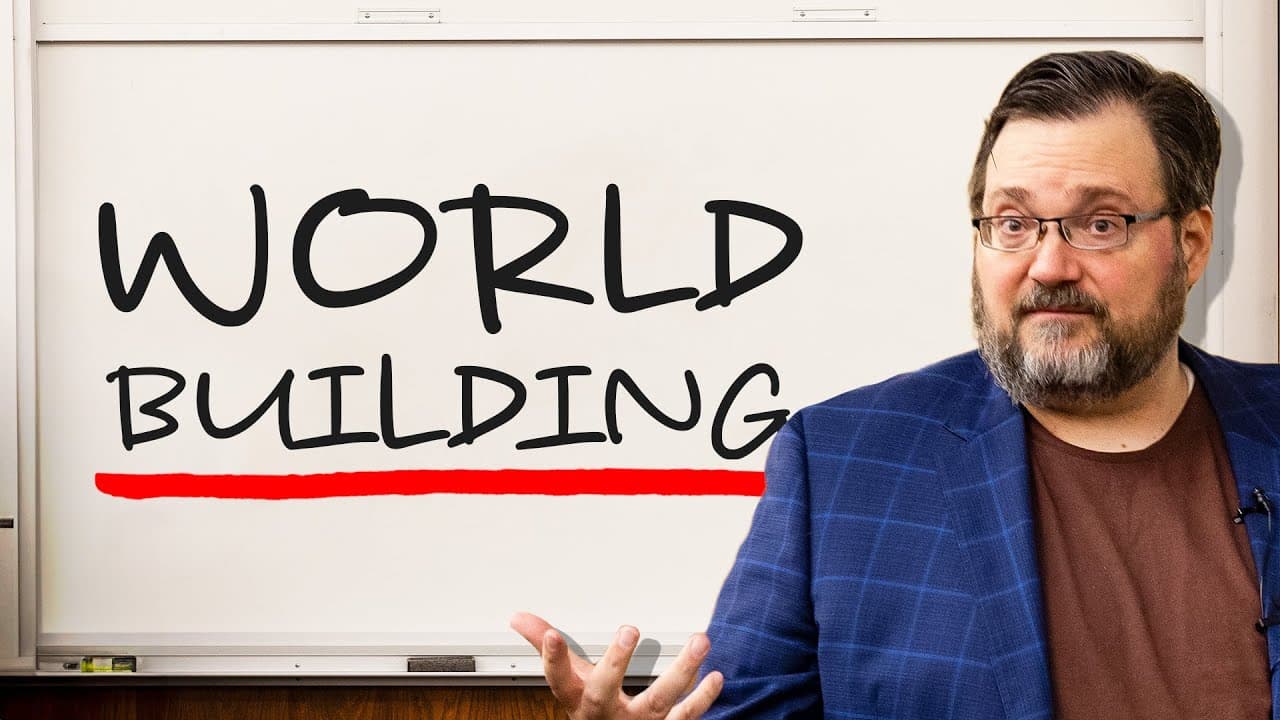
Worldbuilding in real-world settings involves leveraging existing cultural and historical knowledge while introducing fantastical elements thoughtfully. Authors should focus on creating believable contrasts and avoid cultural appropriation. Key to success is thorough research, conscious decisions, and understanding reader expectations, especially when deviating from known realities.
Transcript
this is Brandon sanderson's how to write Science Fiction and Fantasy lecture Series today we are doing the Q&A on World building so we are going to listen to the students and do all of their questions and I'm going to hopefully be very eloquent now if you want to get one of your questions answered we will do a web exclusive Q&A for World building j... Read More
Key Insights
- Worldbuilding in real-world settings allows for shortcuts as readers are already familiar with many elements.
- Authors should focus on where to spend effort in educating readers on new or altered elements.
- Mistakes in real-world details are more noticeable and can break reader immersion.
- Using 'bonehead' characters can help in conveying complex concepts naturally.
- Respect and accurate representation of cultures and beliefs are crucial to avoid appropriation.
- Contrast is a powerful tool in worldbuilding, highlighting differences and similarities to the real world.
- Effective worldbuilding requires conscious decision-making and thorough research.
- Tools like wikis and feedback from experts can enhance the accuracy and depth of worldbuilding.
Install to Summarize YouTube Videos and Get Transcripts
Explore YouTube Video Summarizer or Get YouTube Transcript Extractor
Questions & Answers
Q: How to handle worldbuilding in a real-world setting?
In real-world settings, leverage existing cultural and historical knowledge while introducing fantastical elements thoughtfully. Focus on where to educate readers about new or altered elements, and use 'bonehead' characters to explain complex concepts. Thorough research and conscious decision-making are crucial to avoid mistakes that can break reader immersion.
Q: Why is contrast important in worldbuilding?
Contrast is important because it highlights differences and similarities between the real world and the fantasy elements, helping readers understand the world more intuitively. It can be used to emphasize unique aspects of the setting and to create a sense of familiarity or alienation, depending on the narrative's needs.
Q: What are the pitfalls of real-world worldbuilding?
Pitfalls include making factual errors that break immersion, inadvertently appropriating cultures, and failing to meet reader expectations. Real-world settings require accurate representation and respect for cultural elements. Authors must be diligent in their research and conscious in their decisions to avoid these pitfalls.
Q: How can authors avoid cultural appropriation in worldbuilding?
Authors can avoid cultural appropriation by thoroughly researching the cultures they are depicting and ensuring they represent them accurately and respectfully. It's important to depict cultures consciously and thoughtfully, considering how they would want to be represented and avoiding using cultural elements as mere plot devices.
Q: What tools can assist in worldbuilding?
Tools such as wikis can help organize and maintain consistency in worldbuilding details. Feedback from experts and beta readers is invaluable for catching errors and providing insights. Authors should also consider using research materials like books and online resources to enhance the depth and accuracy of their worldbuilding.
Q: How to introduce new elements without overwhelming the story?
Introduce new elements gradually and ensure they are relevant to the plot and character development. Avoid introducing major new elements late in the story unless they are foreshadowed. Use epilogues or sequels to set up future developments, and ensure that new elements enhance rather than distract from the main narrative.
Q: What are the benefits of using 'bonehead' characters?
'Bonehead' characters, who are ignorant of certain aspects of the world, can naturally introduce and explain complex concepts to the reader. They serve as a narrative tool to convey information without resorting to heavy exposition, making the learning process more engaging and less intrusive.
Q: How can authors ensure accuracy in worldbuilding?
Accuracy can be ensured by thorough research, consulting experts, and using reliable resources. Authors should be aware of their limitations and seek feedback from knowledgeable individuals. Consistency is key, and tools like wikis can help maintain continuity and accuracy throughout the narrative.
Summary & Key Takeaways
-
Worldbuilding in real-world settings allows authors to use existing cultural knowledge but requires careful integration of fantastical elements. Authors should focus on where to educate readers and avoid cultural appropriation by being respectful and thorough in research. Mistakes in real-world details can break reader immersion, so accuracy is crucial.
-
Contrast is a valuable tool in worldbuilding, helping to highlight differences and similarities to the real world. Using 'bonehead' characters can aid in explaining complex concepts, while feedback from experts and tools like wikis can enhance worldbuilding accuracy. Conscious decision-making is key to successful worldbuilding.
-
Authors should be aware of reader expectations and be careful with introducing new elements, especially in real-world settings. By making conscious decisions and doing thorough research, authors can create immersive and believable worlds that respect existing cultures and beliefs.
Read in Other Languages (beta)
Share This Summary 📚
Summarize YouTube Videos and Get Video Transcripts with 1-Click
Try YouTube Summary with ChatGPT & Claude or YouTube Transcript Generator
Explore More Summaries from Brandon Sanderson 📚




Summarize YouTube Videos and Get Video Transcripts with 1-Click
Try YouTube Summary with ChatGPT & Claude or YouTube Transcript Generator