Lecture #3: Plot Part 2 — How Brandon Sanderson Outlines a Story (BYU Sci-Fi & Fantasy Writing)
TL;DR
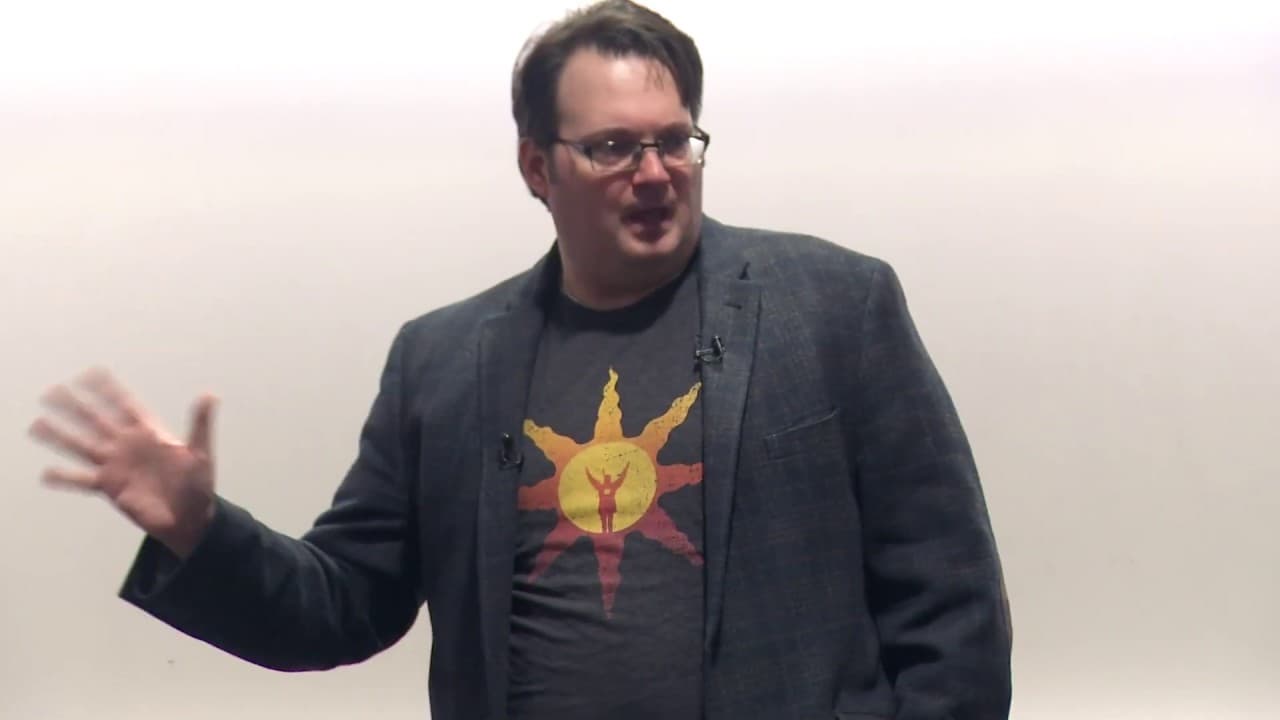
Brandon Sanderson constructs a plot by planning it around three headings in his outline: character, setting, and plot, which he organizes using Microsoft Word's document map. He explains that an outline is not required to write even a complex story, since writers fall on a spectrum between discovery writers (more back-end revision) and outline writers (more up-front work for a cleaner first draft). He also clarifies that when an editor asks for an "outline," they just mean a three-to-five-page summary. Watch for his full method and real examples like Steelheart and Skyward.
Transcript
All right, guys, let's do class. Yay! Oh, boy, class! The way I'm going to format the class year is, we will do our second week on plot this week, and then next week I'm going to dedicate to going through your questions that you've written on your little slips about plot or whatever it is. I'll do last week's and this week's. If there are things th... Read More
Key Insights
- 🫠 Balancing different plot archetypes, character arcs, and subplot archetypes is crucial for creating an engaging and dynamic story.
- 🆘 Outlining the progression of these elements helps to maintain coherence and ensure their effective development and resolution.
- 🫠 Various plot structures, such as the Hero's Journey and Three Act format, provide frameworks for plotting the story and creating a satisfying narrative arc.
- 🎙️ More videos with Brandon Sanderson:
Install to Summarize YouTube Videos and Get Transcripts
Explore YouTube Video Summarizer or Get YouTube Transcript Extractor
Questions & Answers
Q: How does Brandon Sanderson structure his own outline?
His outlines are not summaries or the numbered "1, A, i" format he learned in school. Instead, they start with a heading for character, then a heading for setting, then a heading for plot. He uses Microsoft Word's document map to make these the top level of the outline.
Q: Is an outline necessary to write a novel?
No. Sanderson says an outline is not necessary to write a story, even a very complex one. Writers fall on a spectrum based on how much up-front versus back-end work they prefer, which is the real difference between a discovery writer and an outline writer.
Q: What is the difference between a discovery writer and an outline writer?
Both do some up-front and some back-end work, but they distribute it differently. A discovery writer offloads more work to the end, doing more revisions to fix what is broken, while an outline writer front-loads the planning to get a cleaner first draft.
Q: When an editor asks for an "outline," what do they actually want?
To editors, "outline" means a summary, not a formatted heading structure. It is shorthand for about a three-page document telling them your story. Sanderson recommends three to five pages, and says it should be nothing longer than ten, with longer allowed only for an already-bought epic fantasy.
Q: Why does Sanderson personally prefer outlining?
Outlining lets him offload high-level work to a planning session before he starts the book, so there are fewer things to keep in his brain while writing. That way, when he sits down to write a chapter, he can focus on making it exciting, active rather than passive, and driven by character motivation instead of info dumps.
Q: Which of his books have the easier outlines to learn from?
He points to his outlines for Steelheart or Skyward as easier to understand examples. His Stormlight outlines are harder to follow because so many parts reference his internal Wiki, which holds his world building.
Q: How was this plot lecture positioned in the course?
This was the second week on plot, following the previous week's high-level discussion of promises, progress, and payoffs. The next week was set aside as a Q&A episode answering students' written questions about plot, and the week of the 18th Mary Robinette was scheduled to teach short stories.
Q: Does Sanderson think there is one correct way to write a book?
No. He stresses that there is no single way to do this and that it is good different writers work differently. He even mentions a friend who writes every book twice from scratch, treating the first full draft as her outline, a method he personally would find miserable.
Summary & Key Takeaways
-
Constructing a plot involves determining the main plot archetypes, character arcs, and subplot archetypes to be included in the story.
-
An outline is used to plan the progression of these elements in the story, with bullet points outlining the important steps and scenes.
-
Balancing different plot archetypes, character arcs, and subplot archetypes is important to keep the story engaging and dynamic.
-
Different plot structures, such as the Hero's Journey and Three Act format, can be used as frameworks for plotting the story.
Read in Other Languages (beta)
Share This Summary 📚
Summarize YouTube Videos and Get Video Transcripts with 1-Click
Try YouTube Summary with ChatGPT & Claude or YouTube Transcript Generator
Explore More Summaries from Brandon Sanderson 📚

Summarize YouTube Videos and Get Video Transcripts with 1-Click
Try YouTube Summary with ChatGPT & Claude or YouTube Transcript Generator