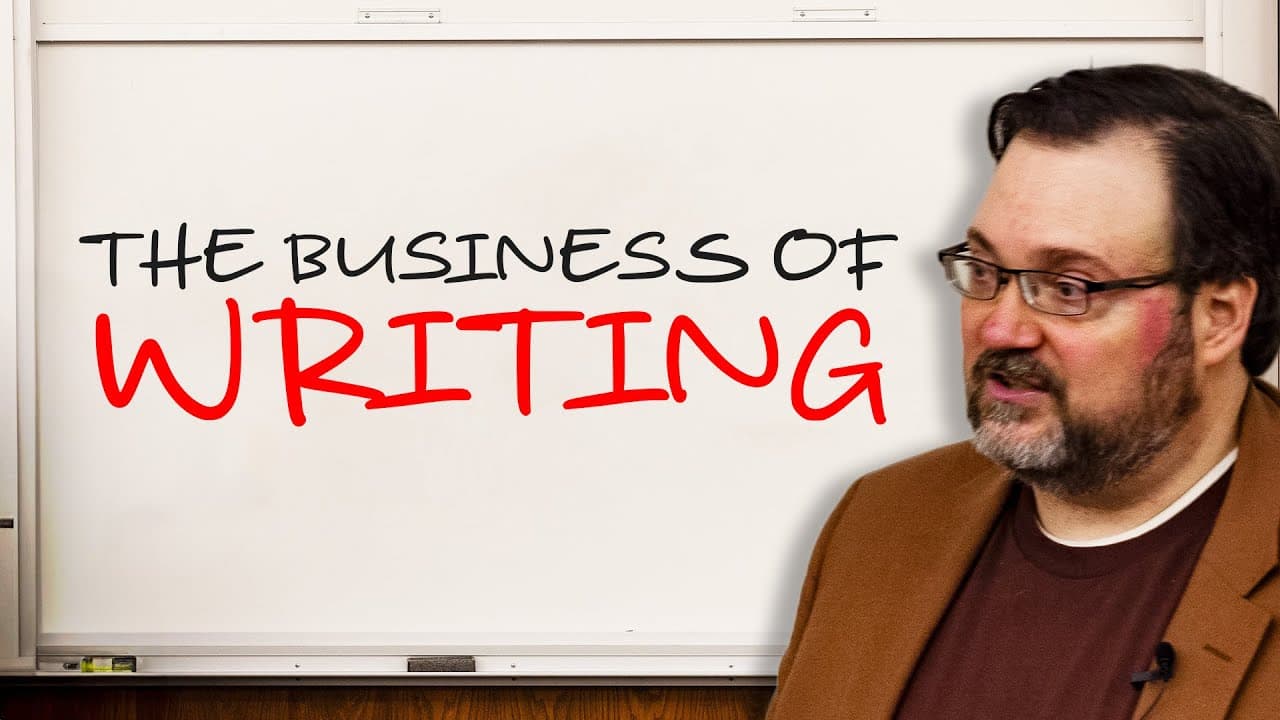
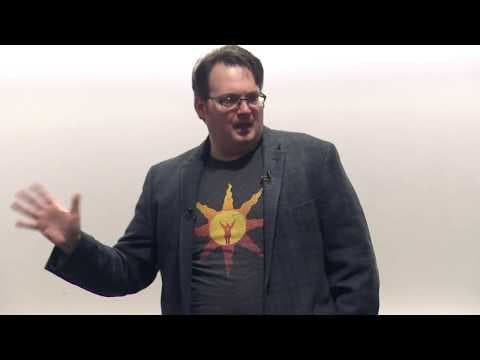
How Do Literary Agents Help Authors Break In? Brandon Sanderson’s Writing Lecture #11 (2025)
TL;DR
Literary agents help authors break into traditional publishing by filtering submissions and placing manuscripts with editors most likely to buy them. As novels displaced short fiction as the main route into science fiction and fantasy, overwhelmed publishers shifted slush-pile reading to agents, whose standard commission rose from 10% to 15%. Read on to understand the older apprenticeship route, modern agent relationships, and the role of conventions.
Transcript
Hey, this is Brendan Sanderson's writing lecture series. This is week two on the publishing industry. I delve a lot into agents and in pitching your book and in going to conventions. So hopefully this will be helpful for you. Next week is our last week, so come back for that one. All right, welcome to writing science fiction and fantasy. Uh this is... Read More
Key Insights
- Short fiction was once the main entry point into science fiction and fantasy publishing, because the pulp magazines were the biggest seller of the genre and many readers lacked the disposable income for full novels. The golden age authors, including Asimov and Clarke, all published in those magazines.
- Cover letters and query letters used to carry short fiction credentials as the selling point. A writer would list publications in magazines such as Analog and F&SF, then describe their first novel, and those credits gave the query real weight with editors.
- Publishing houses that were gobbled up in consolidation usually kept their structure intact, especially the science fiction ones. The publishers and editors stayed in place, and they were largely friends who had grown up attending conventions together, which made the network small and personal.
- Writing short fiction remains worthwhile, but it should be done out of love for the form rather than as a strategy to break in. It can still work for writers who are genuinely good at it, though it is no longer the main route, and short pieces typically earn pizza money rather than rent money.
- Agent commission rose from 10% to the current standard of 15%, taken off the top of everything you earn on work published through them. That generally covers all of your novels, while agents typically do not care about short fiction, leaving those sales to the author.
- Networking at conventions became a new form of apprenticeship in the 1980s and 1990s. Writers went to events, talked intelligently about science fiction and fantasy with editors and agents, made a name for themselves in person, and turned those conversations into submission invitations.
- Dave Wolverton's specific advice was to attend World Con, World Fantasy Convention, and the Nebula Award weekend when it was in New York, because that is where the agents and editors gather. The hotel bar was named as the place where the actual conversations happen.
- A good agent's real value is placement, not just submission. Agents maintain relationships with editors across publishers, take them to lunch, and track what each one has bought recently and is currently looking for, so a manuscript goes to the person most likely to buy it.
Install to Summarize YouTube Videos and Get Transcripts
Explore YouTube Video Summarizer or Get YouTube Transcript Extractor
Questions & Answers
Q: How do literary agents work, and how do authors break into publishing?
Agents act as both submission filters and placement specialists for publishers overwhelmed by novel manuscripts. Authors can improve their chances by writing a strong novel, finding an agent who knows the appropriate editors, and building informed relationships at conventions where agents and editors gather.
Q: Do authors need a literary agent to get traditionally published today?
The lecture describes selling a novel to a major publisher without an agent as virtually impossible today, though a few exceptions remain, including Baen Books. Publishers increasingly prefer agent submissions because agents pre-filter manuscripts that would otherwise enter an enormous slush pile.
Q: What percentage do literary agents charge?
The current standard commission is 15% of everything earned from work published through the agent. Agents previously charged 10%, with the shift to 15% beginning in the late 1990s; the arrangement generally covers an author’s novels rather than short fiction.
Q: Why did literary agents become so important in science fiction and fantasy publishing?
When hardcover novels became the dominant format in the 1980s, the established short-fiction apprenticeship stopped working as the main publishing pipeline. Publishers were flooded with direct novel submissions, so they transferred more slush-pile reading to agents who could identify promising manuscripts.
Q: What does a good literary agent do beyond submitting a manuscript?
A good agent maintains relationships with editors across publishing houses and learns what each editor has recently bought, currently wants, and personally enjoys. That knowledge helps the agent send a manuscript to the people most likely to buy it instead of submitting indiscriminately.
Q: How did writers traditionally break into science fiction and fantasy publishing?
Writers first sold stories to pulp magazines and then cited those credits when querying their debut novels. Publications in magazines such as Analog and F&SF carried weight because editors already recognized authors who appeared consistently in short-fiction markets.
Q: Is writing short fiction still a good way to break into publishing?
Short fiction can still help writers who are genuinely good at it, but it is no longer the main route into science fiction and fantasy publishing. The lecture recommends reading and writing it because you love the form, noting that a short piece often earns pizza money rather than rent money.
Q: Which conventions can help writers meet agents and editors?
Dave Wolverton recommended World Con, World Fantasy Convention, and the Nebula Award weekend when it is held in New York because agents and editors gather there. The hotel bar was identified as the place where conversations happen, whether or not attendees are drinking.
Summary & Key Takeaways
-
Science fiction and fantasy once had a clear apprenticeship: write short stories, sell them to the pulp magazines, and build credentials. Editors and publishers at the small houses knew each other from conventions and knew which authors were publishing consistently, so a debut novel from a proven short fiction writer drew interest from everyone.
-
The 1980s hardcover blockbuster changed that. Readers had more disposable income and bought full novels, which ate away at the short fiction market. Writers breaking in during that period had grown up on Robert Jordan rather than the magazines, so they submitted novels directly and the industry no longer had a working pipeline for them.
-
Agents rose to prominence because publishers were overwhelmed by direct novel submissions and offloaded slush pile reading to them. A good agent does more than submit: they take editors to lunch, learn what each editor buys and wants, and target the right book at the right person to raise the odds of a sale.
Read in Other Languages (beta)
Share This Summary 📚
Summarize YouTube Videos and Get Video Transcripts with 1-Click
Try YouTube Summary with ChatGPT & Claude or YouTube Transcript Generator
Explore More Summaries from Brandon Sanderson 📚


Summarize YouTube Videos and Get Video Transcripts with 1-Click
Try YouTube Summary with ChatGPT & Claude or YouTube Transcript Generator