How did Enzo Ferrari turn adversity into Ferrari success?
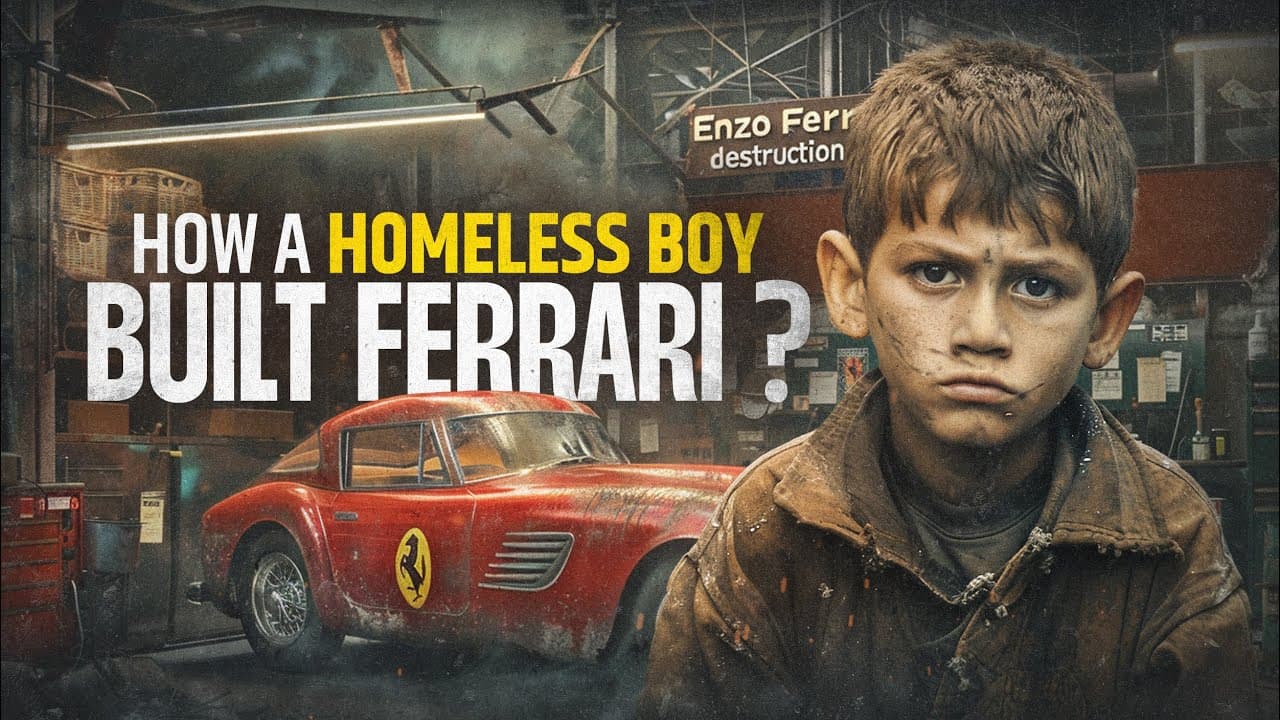
TL;DR
Enzo Ferrari transformed hardship into a fierce drive for excellence. He leveraged racing wins, strategic moves, and resilience to build a brand known for performance and beauty. Despite limited car production, Ferrari grew in value and prestige through relentless focus on racing heritage and engineering quality.
Transcript
hi everybody in the year 1908 a small Workshop owner took his 10-year-old son to a race course in a small town in Italy for most people this race was merely a source of afternoon entertainment but for this 10-year-old kid it was the most exhilarating experience of his life he heard the engines Roar the people screaming and as the cars race through ... Read More
Key Insights
- Enzo Ferrari leveraged a background in racing to create a brand centered on performance and engineering excellence.
- The Ferrari 125s introduced in 1947 demonstrated a high top speed and an advanced weight-to-power balance that defined early Ferrari engineering.
- War and adversity forced strategic pivots, including relocation and military contracts, enabling Ferrari to survive and eventually thrive.
- Enzo faced professional setbacks, including being laid off by Alpha Romeo, which catalyzed the creation of his own company and a distinct brand identity.
- Ferrari achieved high valuation despite relatively small production, proving brand value can outrun volume when performance and prestige are strong.
- The company maintained a continuous F1 presence since 1950, tying its identity to top-tier motorsport performance.
- Enzo believed in serving a niche of wealthy enthusiasts during Italy’s postwar struggles, aligning product strategy with market reality.
- The early focus on racing success and engineering innovation became the lasting cornerstone of the Ferrari brand.
- More videos from this channel:
- More from this channel: Think School
Install to Summarize YouTube Videos and Get Transcripts
Explore YouTube Video Summarizer or Get YouTube Transcript Extractor
Questions & Answers
Q: How did Enzo Ferrari initially get involved in racing and build experience before starting his own company?
Enzo Ferrari began in racing as a driver and then managed the racing department at Alfa Romeo in the 1920s. He led Scuderia Ferrari, a racing team formed in 1929, which helped him gain the credibility and technical insight necessary to design winning race cars. This period established his philosophy that racing success and engineering excellence could catalyze a larger automotive brand.
Q: What made the Ferrari 125s in 1947 stand out when it launched?
The Ferrari 125s launched in 1947 featured a 1.5 L V12 engine and achieved a top speed of 130 mph, which was remarkable for that era. More important was the weight to horsepower balance, which gave Ferrari engineers a new benchmark for performance, showcasing how light design paired with powerful propulsion creates superior driving dynamics.
Q: How did World War II affect Ferrari and shape the company’s strategy?
World War II disrupted production and bombed factories, forcing Ferrari to relocate and seek alternative revenue streams. He secured a military contract to produce war equipment, which helped the company survive wartime conditions. After the war, this resilience allowed him to refocus on racing and rebuild Ferrari as a consumer brand.
Q: What happened with Enzo Ferrari and Alpha Romeo that pushed him to start his own company?
Enzo Ferrari was laid off from Alfa Romeo after years of successful results and a non-compete clause prevented him from using the Ferrari name for four years. This setback pushed him to pursue an independent path, leading to the creation of Auto Avio Costruzioni, which eventually evolved into Ferrari as a race car manufacturer.
Q: Why is Ferrari considered valuable despite selling far fewer cars than Mercedes or BMW?
Ferrari’s value came from a strong brand, continuous involvement in Formula 1 since 1950, and a reputation for performance and exclusivity. The company managed to command a high market cap relative to its smaller production volume by leveraging racing pedigree, engineering prestige, and a loyal, affluent customer base.
Q: What was Enzo Ferrari’s strategy for building a brand during Italy’s postwar poverty?
Enzo Ferrari targeted a small, affluent market segment that valued luxury performance. He believed that despite national poverty, there would be enough wealth to sustain a niche with highly desired, meticulously crafted racing cars. This market focus, combined with relentless pursuit of engineering excellence, created a distinct Ferrari identity.
Q: How did Enzo Ferrari view the role of engineering and racing in his life and business?
Enzo Ferrari viewed racing as the proving ground for engineering and a source of brand identity. He believed the true test of passion was sustaining effort through adversity, using racing victories as proof of engineering capability, and translating that excellence into a globally valued automotive brand built on performance and beauty.
Q: What core lesson can be drawn from Enzo Ferrari’s rise for future entrepreneurs?
The core lesson is that resilience, focus on core strengths, and a clear positioning in a competitive niche can create enduring value. By combining racing heritage with engineering excellence, leveraging strategic partnerships, and turning setbacks into new opportunities, an entrepreneur can build a lasting, highly valued brand even in difficult times.
Summary & Key Takeaways
-
Enzo Ferrari began as a driver and race team leader before founding Ferrari, channeling his early experiences into a company built on racing excellence and a relentless pursuit of performance.
-
The 1947 Ferrari 125s set a benchmark with a top speed of 130 mph and a superior balance of weight and horsepower, illustrating the design focus that defined early Ferrari engineering.
-
World War II and economic hardship forced Ferrari to adapt, relocate factories after bombing, and rely on military contracts to survive, showcasing resilience as a core company capability.
Read in Other Languages (beta)
Share This Summary 📚
Summarize YouTube Videos and Get Video Transcripts with 1-Click
Try YouTube Summary with ChatGPT & Claude or YouTube Transcript Generator
Explore More Summaries from Think School 📚






Summarize YouTube Videos and Get Video Transcripts with 1-Click
Try YouTube Summary with ChatGPT & Claude or YouTube Transcript Generator