What caused the War of 1812 and how did tensions rise?
TL;DR
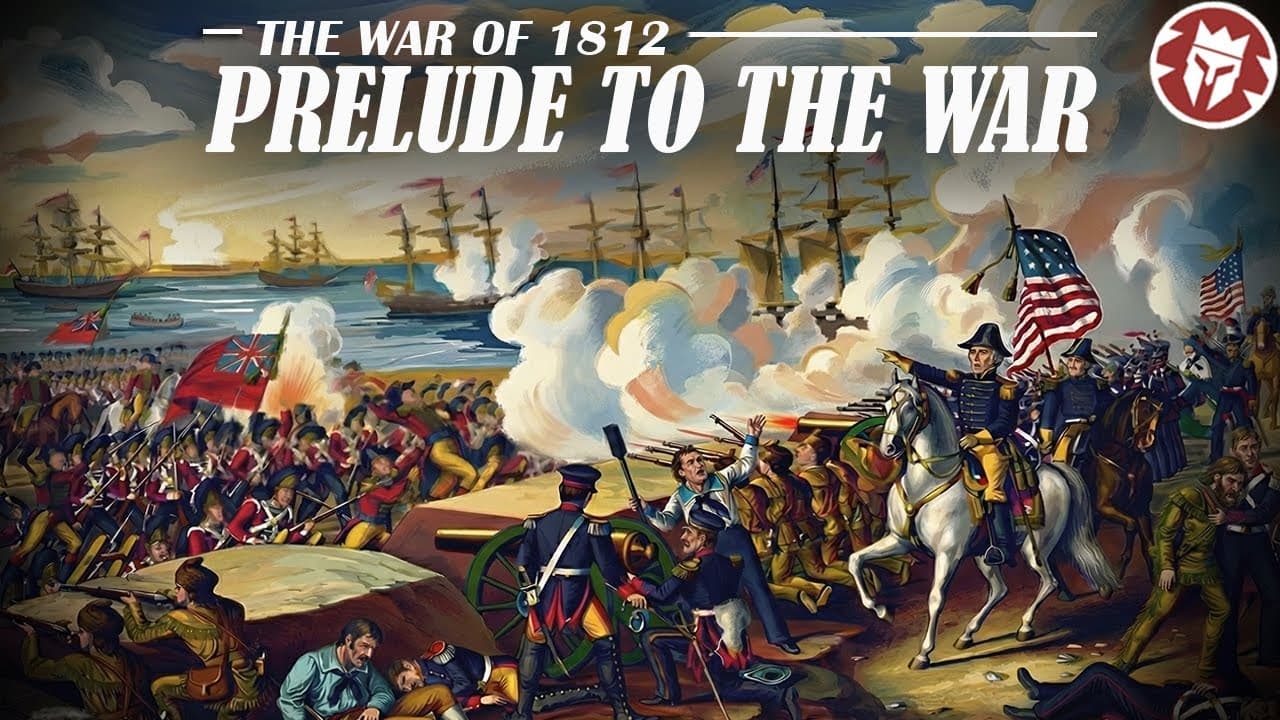
The war started because unresolved issues from the 1783 Treaty of Paris created border and trade frictions, while Britain pressed American sailors and enforced blockades to wage war against France. These policies, plus political rivalry and Native alliances, pushed the United States toward conflict as diplomatic avenues failed to resolve disputes.
Transcript
While the 1783 Treaty of Paris ended the American Revolution, it did not resolve the tension between the British Empire and the new nation born of its erstwhile thirteen colonies. Numerous disputes between Britain and the United States remained unresolved, and vagueness in the treaty itself created new problems. While efforts were made to... Read More
Key Insights
- The 1783 Treaty of Paris left borders and cross-border rights undefined, creating ongoing friction between the United States and British North America.
- Trade disputes persisted because both sides failed to uphold treaty obligations and there was no robust mechanism to enforce payments or compensation for war damages.
- Impressment and forced naval enlistment became central irritants, as Britain claimed it could press sailors regardless of their citizenship, while the United States viewed many as American citizens.
- The Orders in Council and the Milan Decree intensified economic warfare, pressuring neutral shipping and escalating the maritime war environment around the United States.
- The Chesapeake affair demonstrated sovereignty violations when British forces attacked an American ship in its own waters, triggering public anger and diplomatic protests.
- Britain backed Native American groups in the Northwest Territory, complicating American expansion and provoking further conflicts on land and along the frontier.
- Napoleon’s wars shifted British strategic priorities, making Britain more willing to use naval power to enforce its goals against American commerce.
- Jay Treaty temporarily eased tensions by addressing some issues, but did not resolve core disputes over trade and impressment, leaving room for renewed conflict.
- More videos from this channel:
- More from this channel: Kings and Generals
Install to Summarize YouTube Videos and Get Transcripts
Explore YouTube Video Summarizer or Get YouTube Transcript Extractor
Questions & Answers
Q: A real search query question about the video (e.g. 'How to...', 'What is...', 'Why does...', 'When should...'). Question 1
The War of 1812 started from a combination of unresolved 1783 treaty terms, persistent trade disputes, and the clash over impressment. The United States viewed British actions as violations of sovereignty and economic rights, while Britain aimed to constrain American commerce during the Napoleonic Wars. Diplomatic efforts failed, border definitions remained vague, and both sides faced domestic pressure to take action, culminating in war.
Q: Question 2
Impressment, where British sailors were forced into service, was a major irritant because many so called British subjects had American residency or citizenship, and both nations asserted conflicting claims over who could be pressed. This policy damaged trust, hindered shipping, and sparked protests leading to harsher measures and eventual open conflict.
Q: Question 3
The Chesapeake affair highlighted a direct sovereignty dispute when a British squadron attacked an American ship in home waters and abducted sailors. This incident inflamed public opinion, provoked strong diplomatic protests from the United States, and pushed leaders toward a stance that would escalate to war rather than seek a quick settlement.
Q: Question 4
Economic warfare through the Orders in Council and the Milan Decree worsened the maritime crisis. Britain used blockades to cripple French and allied trading, while the United States suffered disrupted commerce and losses, forcing policymakers to decide between appeasement and confrontation as the economic pressure intensified.
Q: Question 5
The Northwest Indian War and British support for indigenous confederacies created additional friction on land. American expansion into the Northwest Territory collided with British interests and Native alliances, while London’s backing for these groups undermined American claims to control the region and complicated any peaceful resolution.
Q: Question 6
The Jay Treaty attempted to settle disputes and restore trade but did not resolve key issues such as impressment and cross-border rights. Its limited scope satisfied some merchants and politicians while leaving crucial grievances unaddressed, allowing tensions to reemerge as Napoleonic warfare continued.
Q: Question 7
Britain viewed American neutrality as a potential threat to its war strategy against Napoleon, yet still depended on American trade profits. The clash between strategic needs and commercial interests created a stalemate that made a full political solution difficult and contributed to the drift toward war.
Q: Question 8
The War of 1812 emerged from a confluence of diplomatic missteps, economic coercion, and frontier conflict rather than a single cause. The interplay of trade restrictions, sovereignty disputes, and imperial rivalry created an environment where armed conflict became the likely, though not inevitable, outcome.
Summary & Key Takeaways
-
The War of 1812 began from flawed postwar diplomacy and open disagreements over border definitions, trade rights, and Loyalist property. The lack of clear enforcement mechanisms allowed ongoing friction to escalate and set the stage for armed conflict between the United States and Britain.
-
Impressment, blockades, and the Northwest Confederacy intensified hostilities, fueling American anger and British resistance to compromise. These tensions were embedded in long standing economic and political rivalries that the United States could not easily resolve via diplomacy alone.
-
In the end, the war combined maritime grievances with frontier pressures and native alliances, revealing the fragile nature of early American diplomacy and shaping future national identities in both the United States and Canada.
Read in Other Languages (beta)
Share This Summary 📚
Summarize YouTube Videos and Get Video Transcripts with 1-Click
Try YouTube Summary with ChatGPT & Claude or YouTube Transcript Generator
Explore More Summaries from Kings and Generals 📚
Summarize YouTube Videos and Get Video Transcripts with 1-Click
Try YouTube Summary with ChatGPT & Claude or YouTube Transcript Generator