How to Ask “How Are You?” in Better Ways
TL;DR
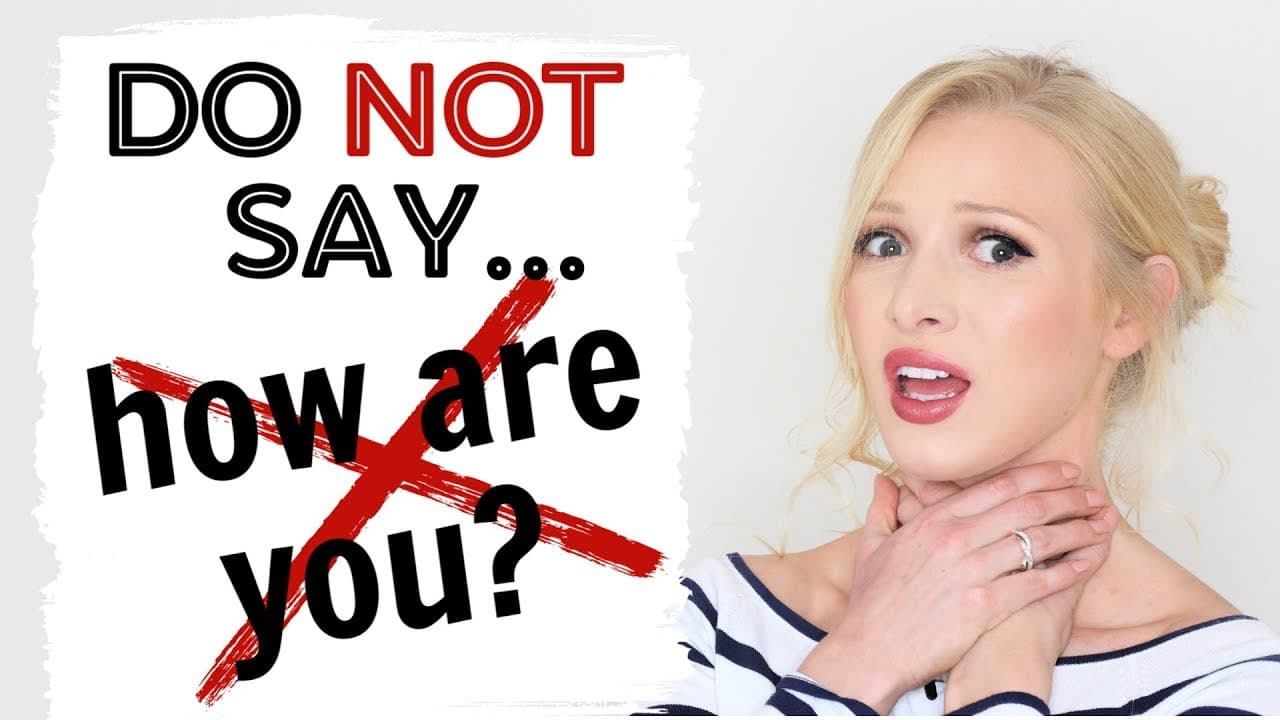
Choose a greeting that matches the relationship and situation instead of automatically asking “How are you?” Use warm, casual questions with friends, progress-focused questions at work, health-related questions when relevant, and formal greetings such as “How do you do?” when meeting someone unfamiliar.
Transcript
(upbeat music) - Hello everyone and welcome back to English with Lucy. Hey, how are you? Yeah, I'm good thanks. How are you? Yeah, great, how are you? Good, how are you? How are you drives me insane. It's so boring, it's so overused, it's just this automatic filler phrase that we use to acknowledge people nonchalantly. It needs to go. It sounds so ... Read More
Key Insights
- “How are you?” is often used as an automatic acknowledgment rather than a sincere request for information. Choosing a more specific alternative can make a greeting warmer, reveal genuine interest, and give the other person a clearer subject to discuss.
- “How have you been?” is a warm and friendly question that allows either a positive or negative update. A person might answer, “I’ve been great, thanks,” or explain that they have not been doing particularly well.
- “What are you up to?” is a friendly British expression that can playfully imply mischief. It can ask about present activities, while “What have you been up to?” invites someone to describe activities or amusing trouble since the previous conversation.
- “How are you feeling?” implies familiarity with someone’s recent condition or emotions. It is suitable when the person has been ill, is recovering, or may feel nervous before an important meeting, speech, or similarly demanding event.
- “How do you do?” is a very formal greeting for meeting someone unfamiliar. In the United Kingdom, it may be exchanged while shaking hands, and the conventional response can simply be the same phrase rather than a personal account.
- “How are things coming along?” is a workplace question about progress. It suggests that a project, major job, or other task is underway, while “How is everything coming together?” can suggest that earlier difficulties are now being resolved.
- “How’s your health?” is a reasonable formal question when an older person has a known health issue and is comfortable discussing it. “I hope you’re well” and “I trust you’re well” express similar concern as statements rather than direct questions.
- Playful expressions are best reserved for familiar, informal company. “Howdy,” “How’s it hanging?”, “How’s tricks?”, “What’s sizzling?”, and “What’s kicking?” can display personality, but they are unsuitable for formal settings, examinations, or unfamiliar conversation partners.
Install to Summarize YouTube Videos and Get Transcripts
Explore YouTube Video Summarizer or Get YouTube Transcript Extractor
Questions & Answers
Q: How can I ask “How are you?” in a better way?
Select a question that points toward the information you genuinely want. Ask “How have you been?” for a warm general update, “What’s new with you?” for recent news, “What are you up to?” for current activities, or “How’s your day going?” for an immediate and friendly conversation. A more specific question sounds less automatic and helps the other person respond meaningfully.
Q: What are casual alternatives to “How are you?”
Casual alternatives include “How are you doing?”, “How have you been?”, “What’s going on?”, “What’s new with you?”, “What’s up?”, “What are you up to?”, and “How are things going?” Other possibilities include “How’s it going?”, “How’s life treating you?”, “How’s your day been?”, and the very casual British greeting “Are you all right?”
Q: When should I ask “How have you been?”
Ask “How have you been?” when you want a warm and friendly update about someone’s recent experience. It works especially naturally when some time has passed since your previous conversation. The question leaves room for an honest answer, including “I’ve been great, thanks” or “I’ve not been so good, actually,” rather than demanding a purely positive response.
Q: What does “What are you up to?” mean in British English?
“What are you up to?” asks what someone is doing, but it can also carry a friendly suggestion of mischief. The phrase is connected in the lesson to being “up to mischief,” so it can sound playful and endearing rather than suspicious. “What have you been up to?” similarly asks about recent activities or amusing trouble.
Q: When is “How are you feeling?” appropriate?
“How are you feeling?” is appropriate when you know something about the person’s health or emotional state. You might use it after they have been ill, while they are recovering, or before a significant meeting or speech when they may feel nervous. The question adds familiarity because it acknowledges that something may have affected them previously.
Q: What are formal ways to ask how someone is?
Formal choices include “How do you do?”, “Are you well?”, and the especially formal “How do you fare?” or “How are you faring?” For known health concerns, you can ask “How’s your health?” You can also use the statements “I hope you’re well” or “I trust you’re well,” which communicate polite concern without directly requesting an answer.
Q: How can a manager politely ask about work progress?
A manager can ask “How are things coming along?” when a project, major job, or other piece of work is in progress. “How are you getting on?” also asks how much progress is being made. “How is everything coming together?” is useful when separate parts must be coordinated or when initial problems appear to be moving toward resolution.
Q: Which funny greetings can I use with friends?
Playful options include “Howdy,” “How’s it hanging?”, “How’s tricks?”, “What’s sizzling?”, and “What’s kicking?” These phrases can add character to an informal exchange, particularly with friends or family. They should be tried first with familiar people and avoided in formal situations, English examinations, or conversations with people you do not know well.
Summary & Key Takeaways
-
Casual alternatives include “How have you been?”, “What’s new with you?”, “What are you up to?”, and “How’s life treating you?” Each option invites a slightly different response, such as a personal update, recent news, current activities, or a broader reflection on how life is going.
-
Formal greetings range from “How do you do?” and “Are you well?” to workplace questions such as “How are things coming along?” The best expression depends on whether you are meeting someone unfamiliar, politely discussing health, or asking a colleague about progress on a project or substantial job.
-
Playful greetings such as “Howdy,” “How’s it hanging?”, “How’s tricks?”, and “What’s sizzling?” can show personality among friends and family. They are not recommended for formal situations, English examinations, or conversations with unfamiliar people, so learners should test them first in relaxed and familiar settings.
Read in Other Languages (beta)
Share This Summary 📚
Summarize YouTube Videos and Get Video Transcripts with 1-Click
Try YouTube Summary with ChatGPT & Claude or YouTube Transcript Generator
Explore More Summaries from English with Lucy 📚


Summarize YouTube Videos and Get Video Transcripts with 1-Click
Try YouTube Summary with ChatGPT & Claude or YouTube Transcript Generator